
Our exoskeleton solutions
Different tasks put different demands on the body. Our range of exoskeletons provides targeted support where it's needed most.
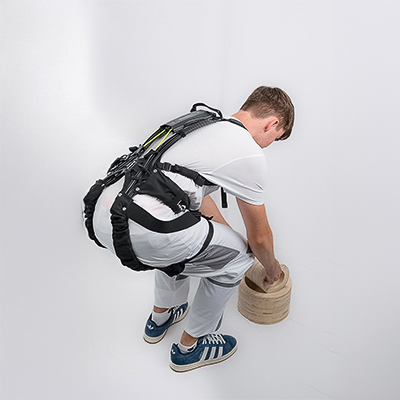
BionicBack
Back and lifting support
Passive back support for physically demanding tasks involving lifting, bending and manual handling.
Explore BionicBack →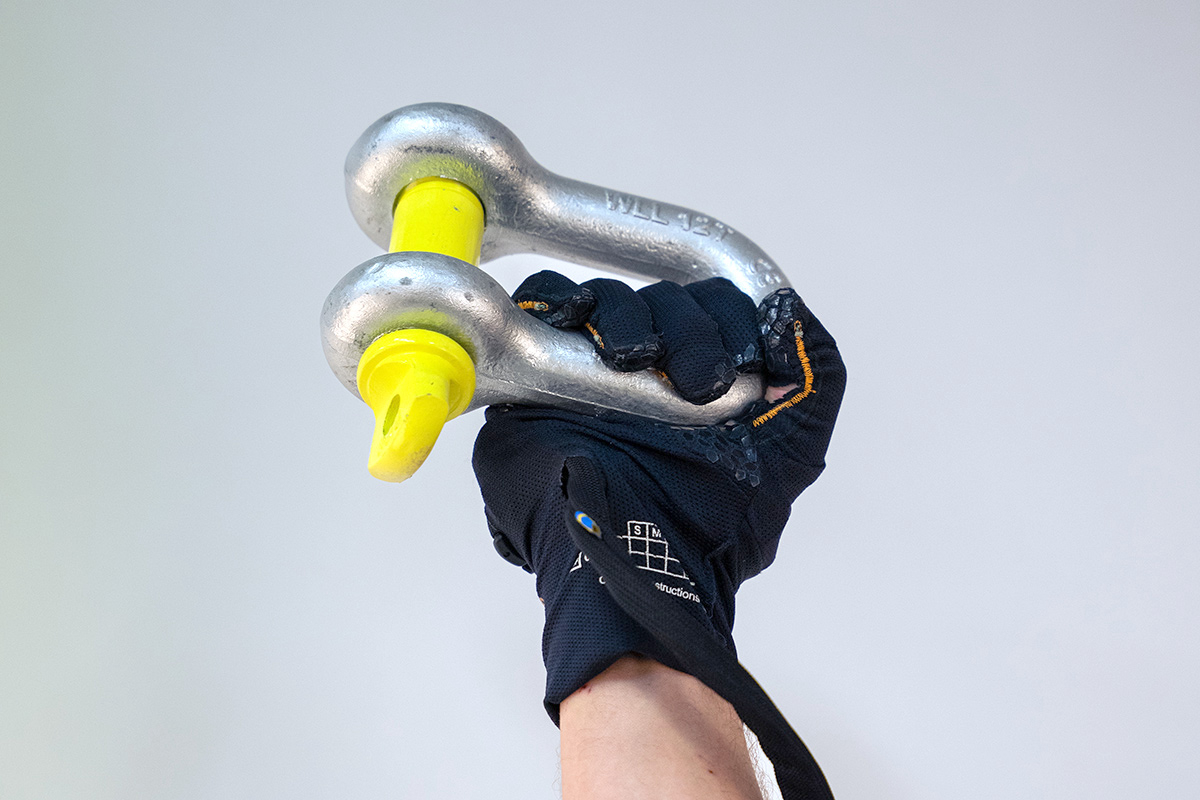
Ironhand
Grip assistance
Active grip assistance for repetitive, forceful or static gripping tasks, helping to reduce effort and fatigue.
Explore Ironhand →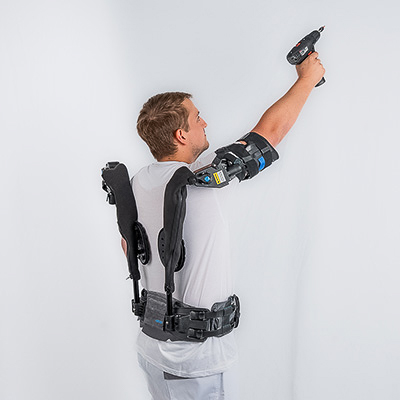
Ekso Evo
Overhead and upper-body support
Passive upper-body support for repetitive or static arm movements, particularly during overhead work.
Explore Ekso Evo →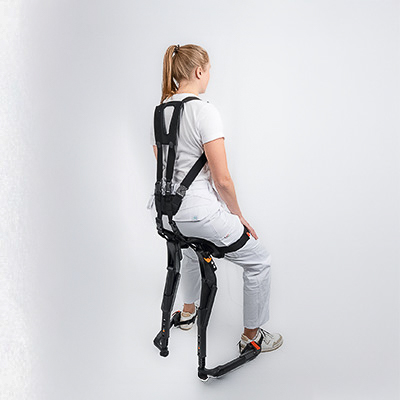
Chairless Chair 2.0
Standing and semi-seated work
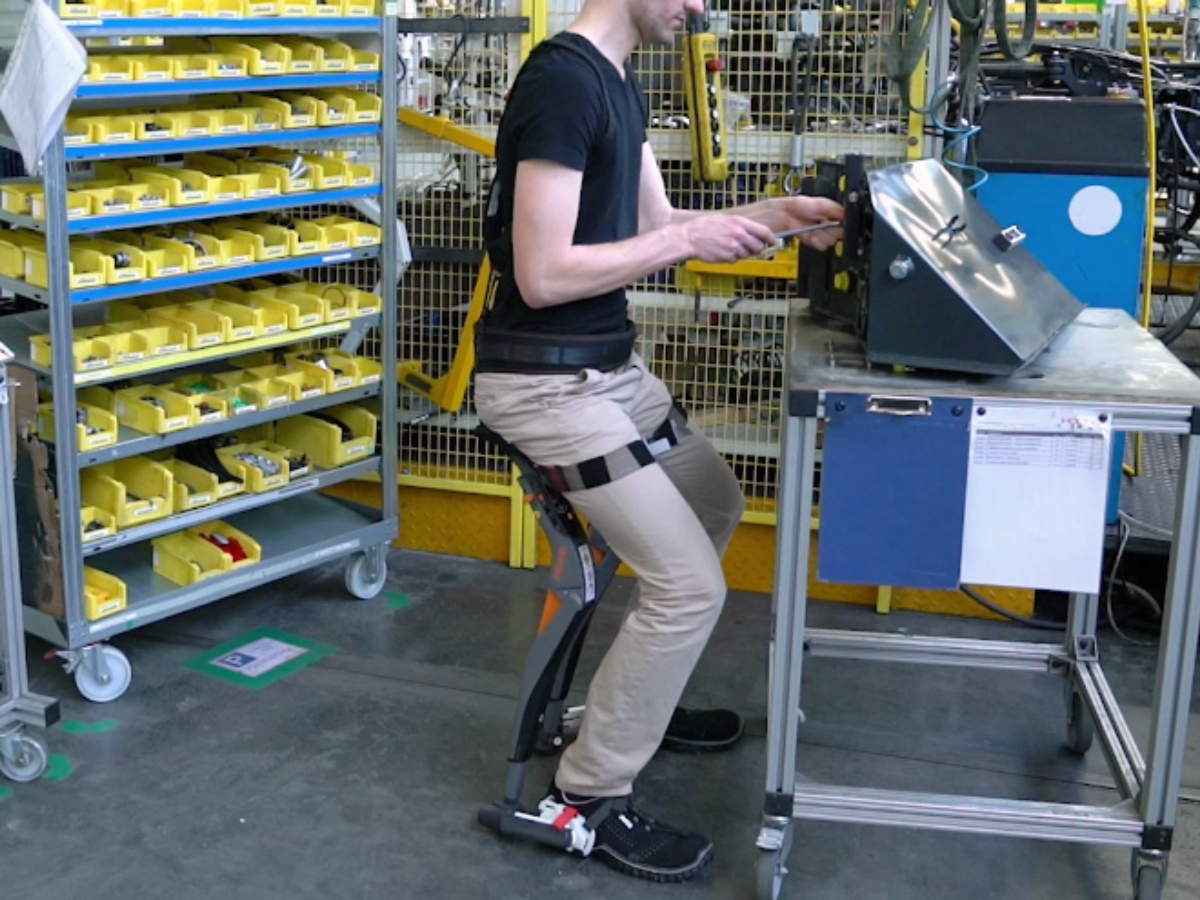
Wearable support for prolonged standing and frequent transitions between standing, walking and supported sitting.
Explore Chairless Chair 2.0 →Supporting physically demanding work
Different workplaces place different demands on workers. Exoskeletons can provide targeted support for tasks where repetitive, forceful or sustained movements place physical demands on specific areas of the body.
Lifting & manual handling
Support during lifting, bending and repetitive manual handling tasks.

Repetitive gripping
Assistance during forceful, repetitive or static gripping tasks.
Overhead work
Support for repetitive or sustained work with the arms raised.

Prolonged standing
Support for workplaces where workers spend long periods standing or frequently transition between standing and supported sitting.
Evidence behind Chairless Chair 2.0
Independent research has investigated the ergonomic effects of Chairless Chair 2.0 during prolonged standing and walking tasks.
A 2026 pilot study involving 25 occupational workers found that use of Chairless Chair 2.0 was associated with reduced peak and mean plantar pressures, alongside changes in centre-of-pressure measures during standing and walking.
Participants also reported high levels of satisfaction with the device, with an overall QUEST 2.0 satisfaction score of 4.38 out of 5.
Read the full study →Key findings
The study also found lower centre-of-pressure displacement and velocity measures when using the exoskeleton. Perceived fatigue remained low to moderate and did not differ significantly between conditions.
Study: Borza et al. (2026), Healthcare, 14(13), 1915.
What are exoskeletons and how do they work?

Exoskeletons are cutting-edge wearable devices designed to augment human physical performance. Whether powered or unpowered, these innovative suits are revolutionizing industries from healthcare to manufacturing.
Drawing inspiration from the protective exoskeletons of creatures like crabs and insects, these technological marvels enhance strength, endurance, and mobility, pushing the boundaries of human potential.
Browse our range of exoskeletons and accessories here.
Contact us to find out more
Wearable technology
Exoskeletons are wearable devices designed to support and enhance the physical capabilities of the human body. They can be powered or unpowered and are used in various fields such as healthcare, industrial work and the military.
Exoskeletons are inspired by the protective and supportive outer shells of animals like crabs or insects.
Routine work can be carried out more comfortably thanks to the exoskeleton's support. When used in a manufacturing context, an exoskeleton can significantly improve the user's lifting power.
Passive vs active exoskeletons
A passive exoskeleton tends to be used to improve or correct posture, or to provide light support to the body. It provides support to the body without using a power source. Instead, a passive exoskeleton uses elastic materials and springs to store and release energy.
An active exoskeleton is powered by a system of electric motors, pneumatics or hydraulics and supplements the user's own movements and strength to simplify tasks and reduce stress on their body. Typically, movements are controlled via muscle tension - detected by sensors.
In summary, a passive exoskeleton supports the body without a power source and assists with posture. An active exoskeleton is powered by electricity or hydrolics and is designed to boost the user's strength.
Take a look at our range of exoskeletons and accessories here.
Prevention is better than cure
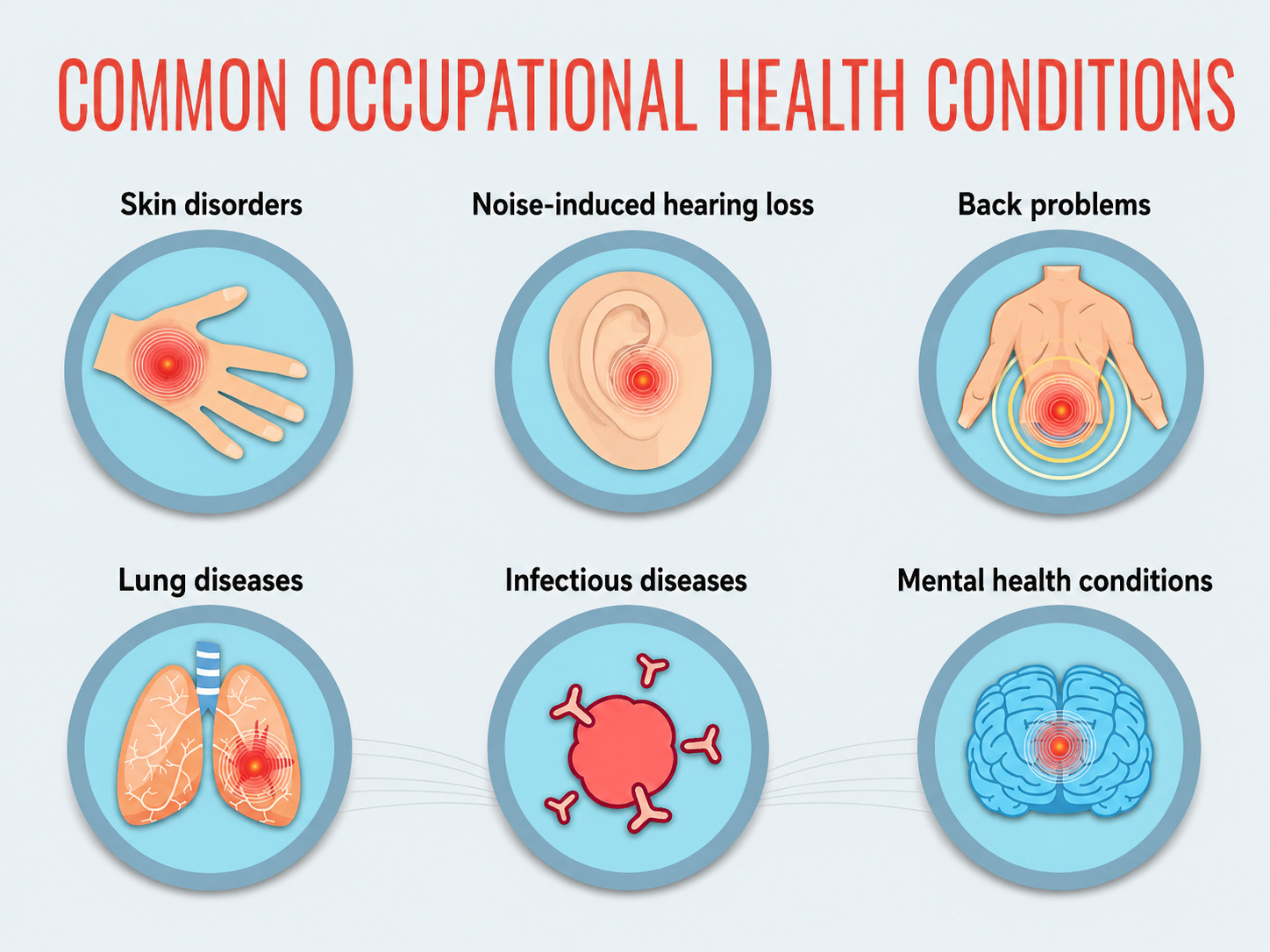
According to the Health and Safety Executive (HSE), the British public body responsible for workplace health, safety and welfare, 6.6 million work days were lost to musculoskeletal (MSK) complaints in the year 2022-2023. That represents almost 20% of all sick days that year (35.2M), and was the second highest cause after stress, depression or anxiety*.
Considering the size of the issue and its huge budget implications, exoskeletons could provide a beacon of hope.
*Source: Hansard UK Parliament.
Prevention is better than cure
Exoskeletons can be used preventively - that is to intervene and prevent sickness due to MSK complaints before cases arise.
When researching and selecting a suitable exoskeleton system, technical and organisational measures should be examined first. Workplaces with heavy lifting or repetitive movements could benefit from exoskeleton technology.
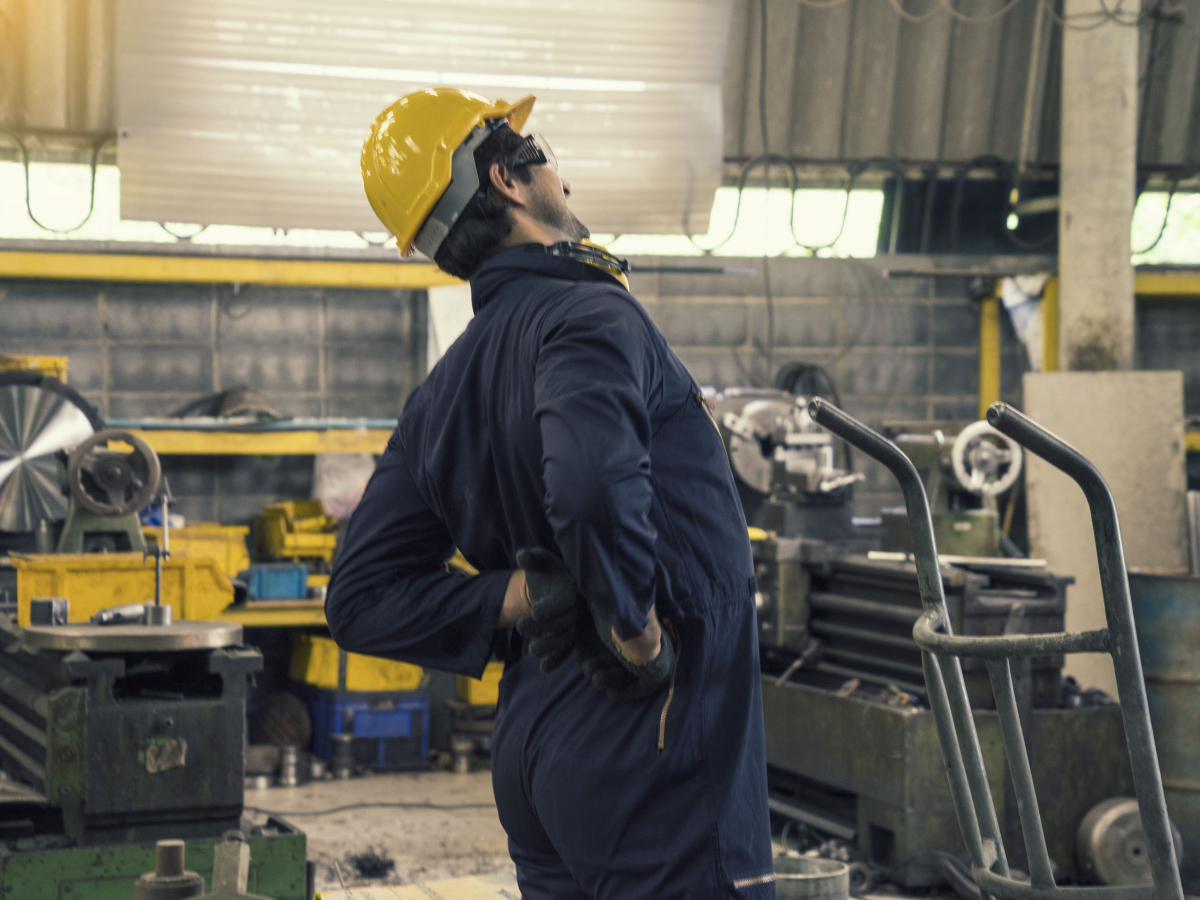


Where are exoskeletons most useful?
Logistics
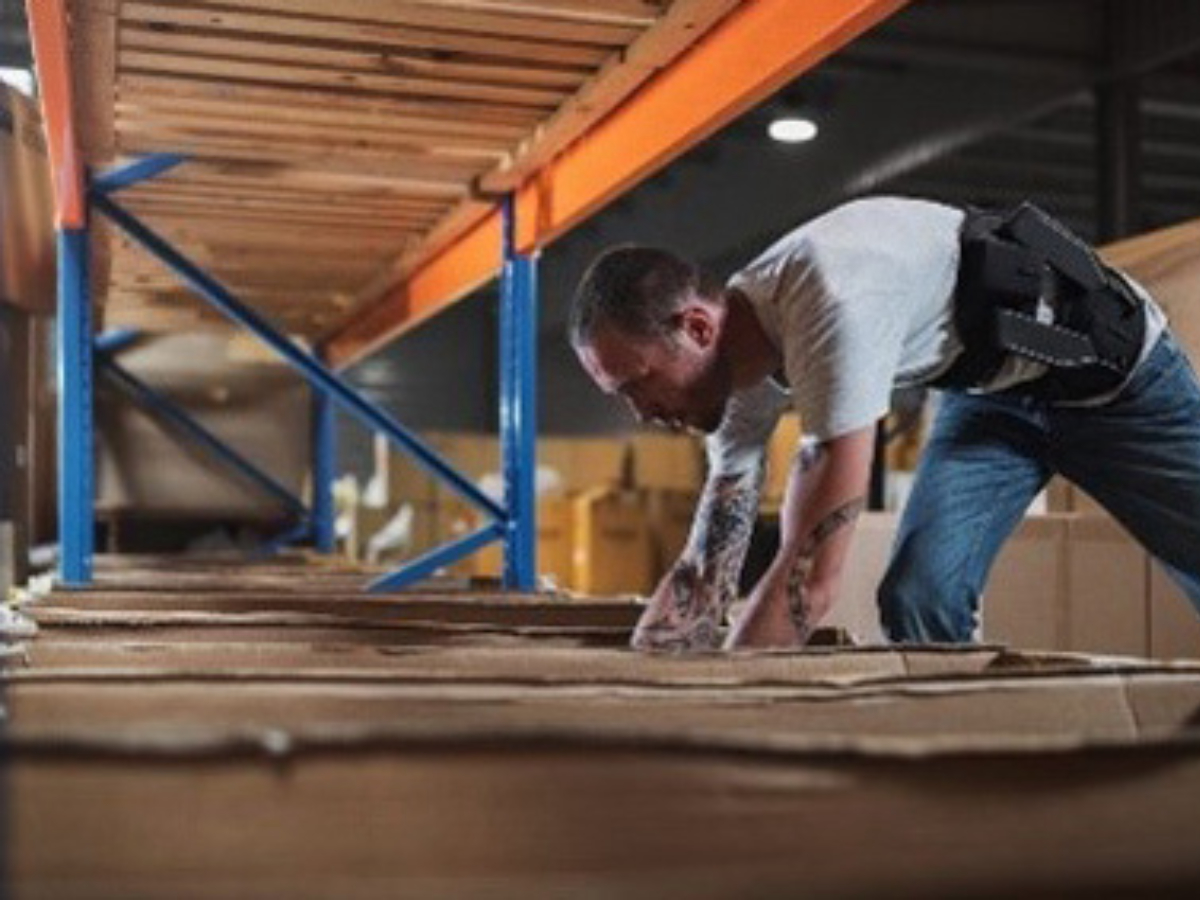
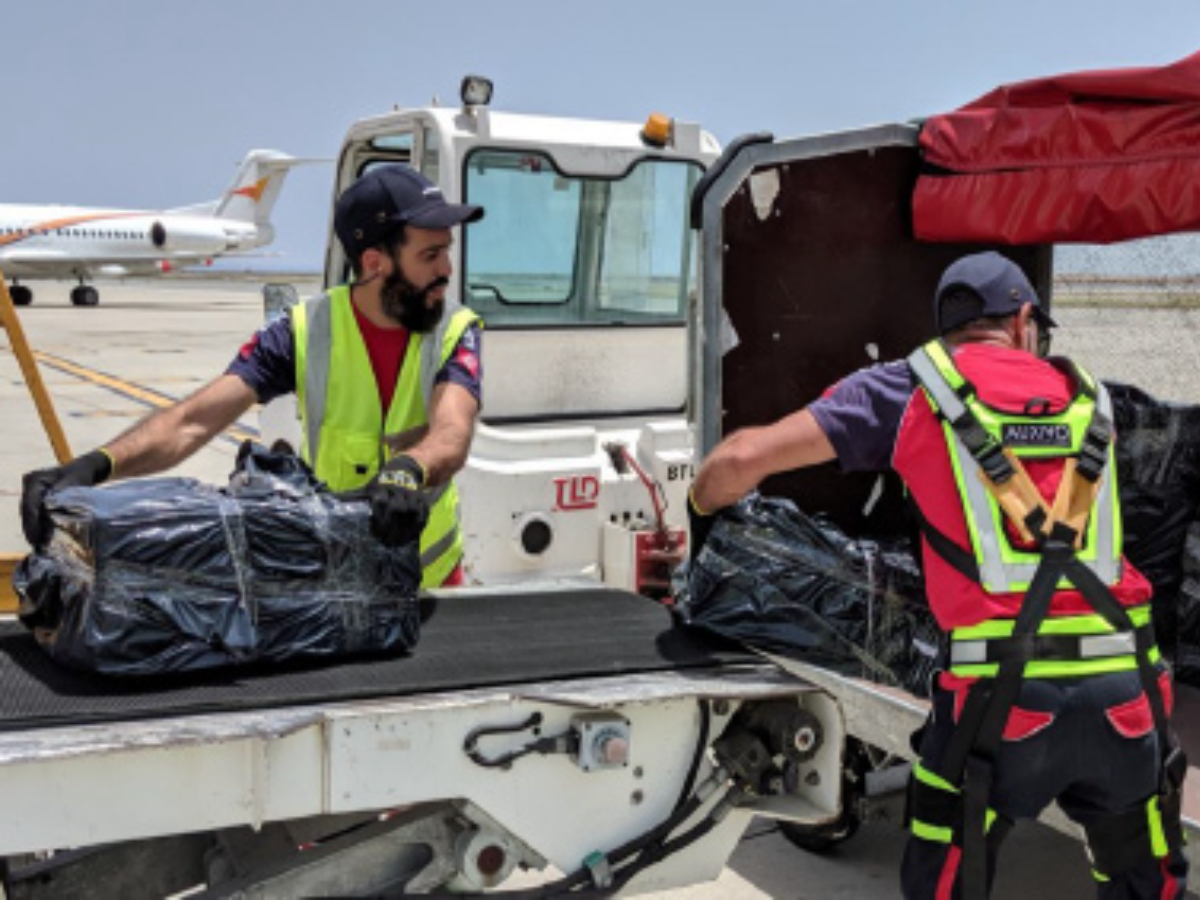
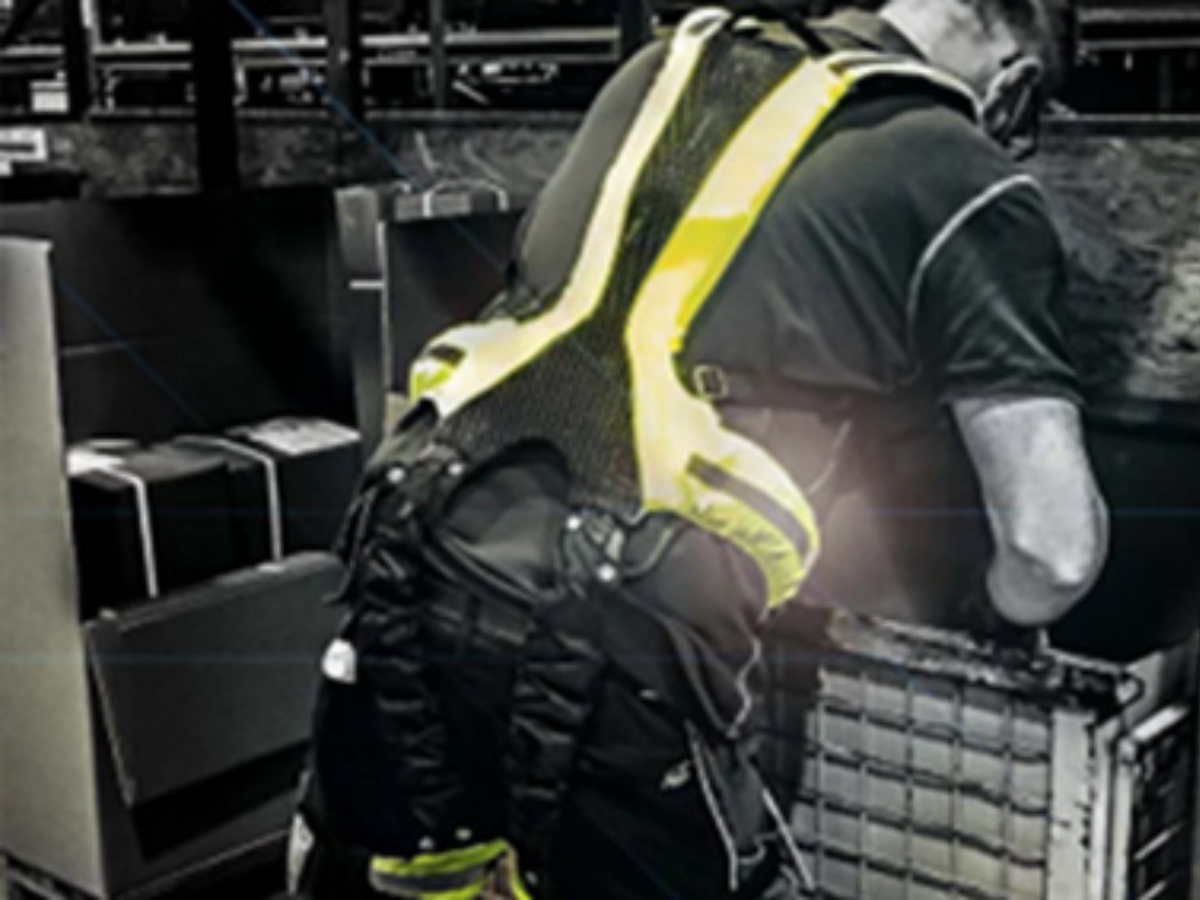
In logistics, and thinking primarily about warehouse logistics, exoskeletons help workers to lift and move heavy loads without having to strain their muscles. This reduces the risk of injury and fatigue, increases motivation, productivity and job satisfaction.
Industry
Let's define industry. Broadly, industry describes the processing of raw materials and manufacture of goods in an industrial setting.
Exoskeletons can be applied in anything from metal processing, mechanical engineering, the automotive industry, electrical industry, wood processing, pharmaceuticals, food processing, commercial kitchens or tyre processors.
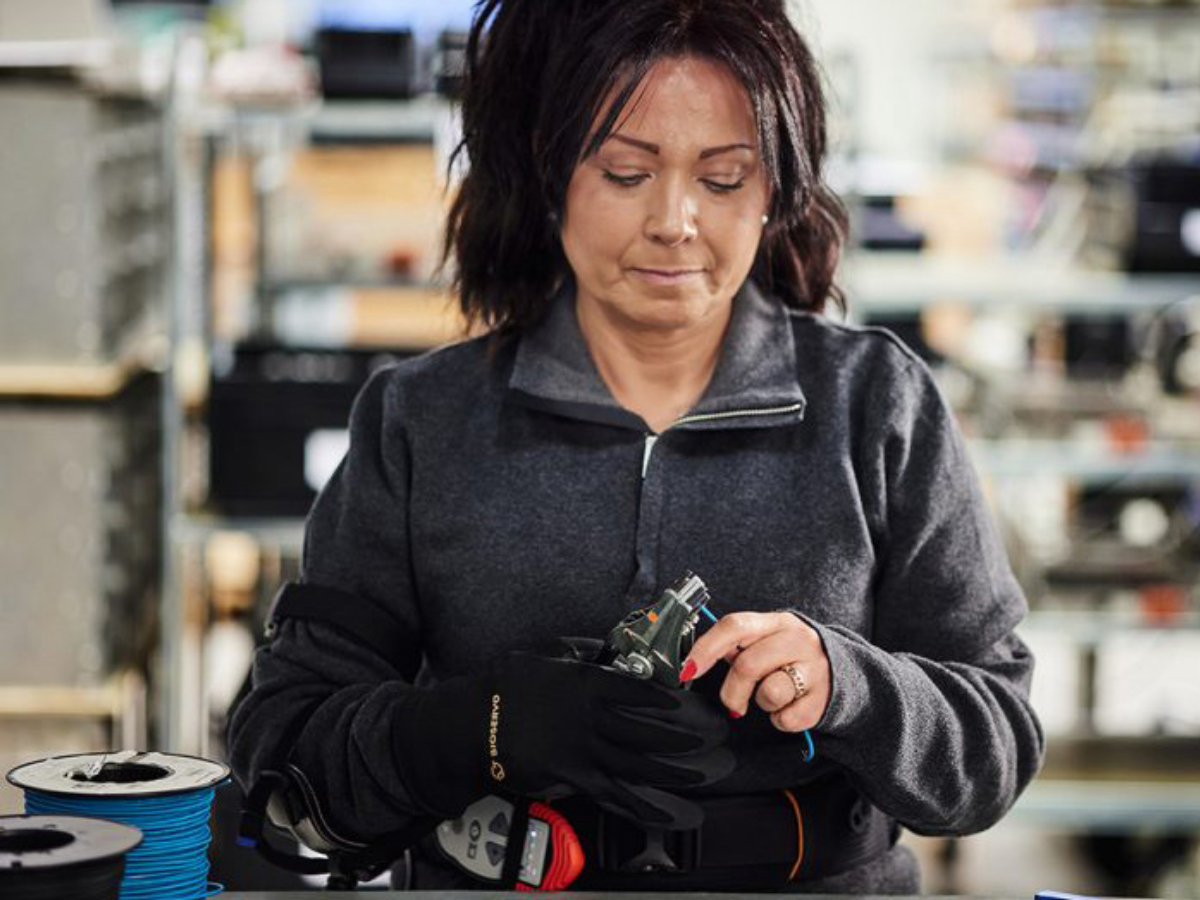
Not just a tool to boost strength and productivity, in a precision industry like electronics or pharmaceuticals, exoskeletons can also improve stability and precision movements in the hands. Specialised exoskeletons can also provide additional protection and safety in hazardous workplaces (eg mining or petrochemical industry) where chemical substances or high temperatures cause a risk.

Construction
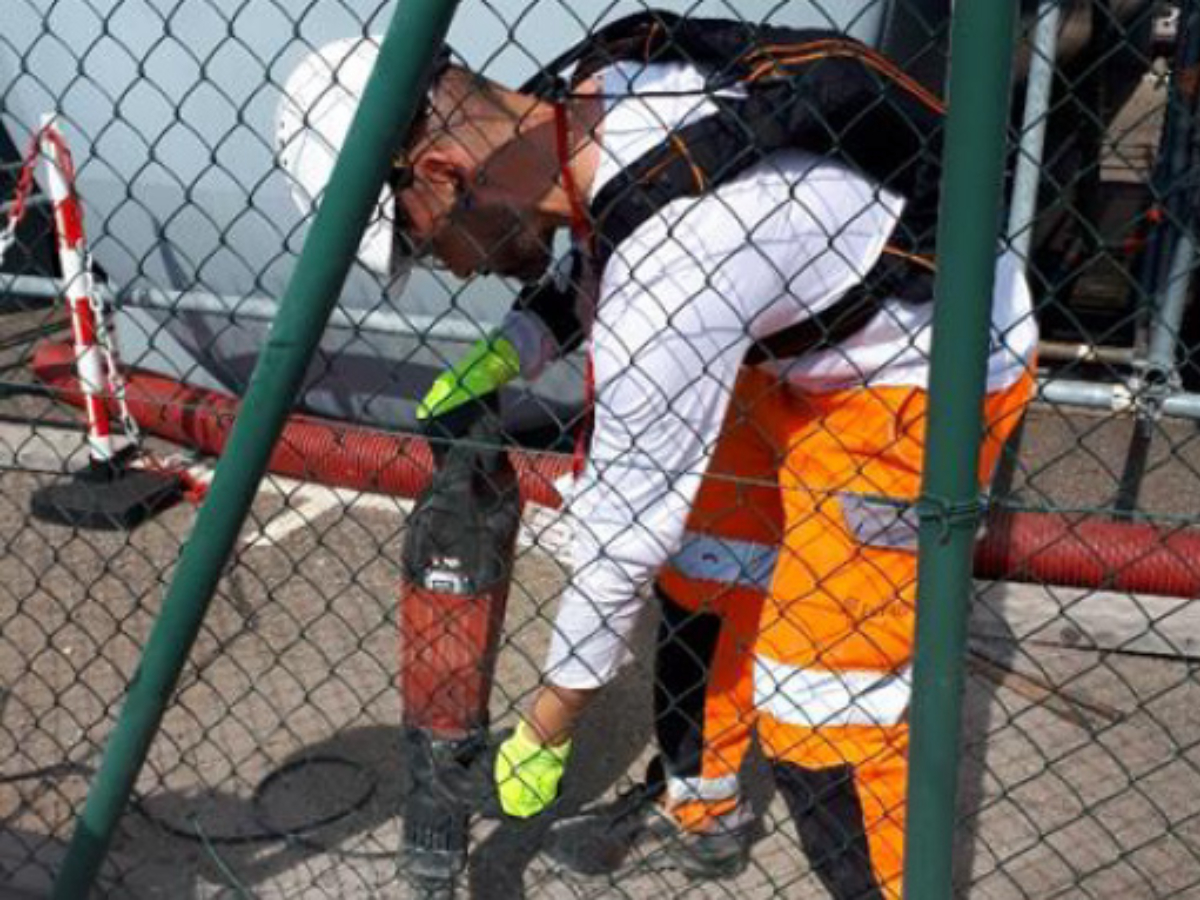
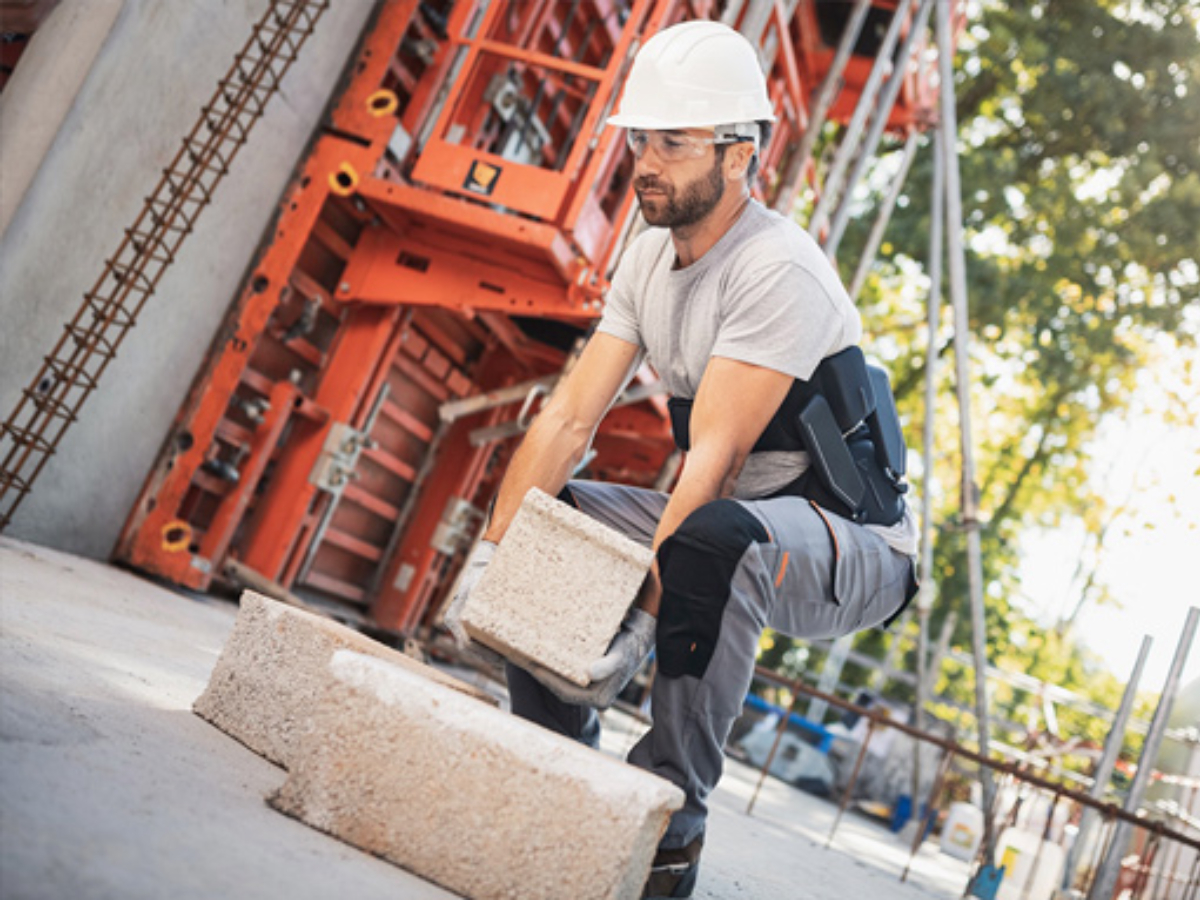
Heavy lifting is synonymous with construction. Whether it be dry wall construction, painting and varnishing, plastering, assembly and disassembly, windows, doors, interior fittings, design or landscaping, heavy lifting is inevitably involved.
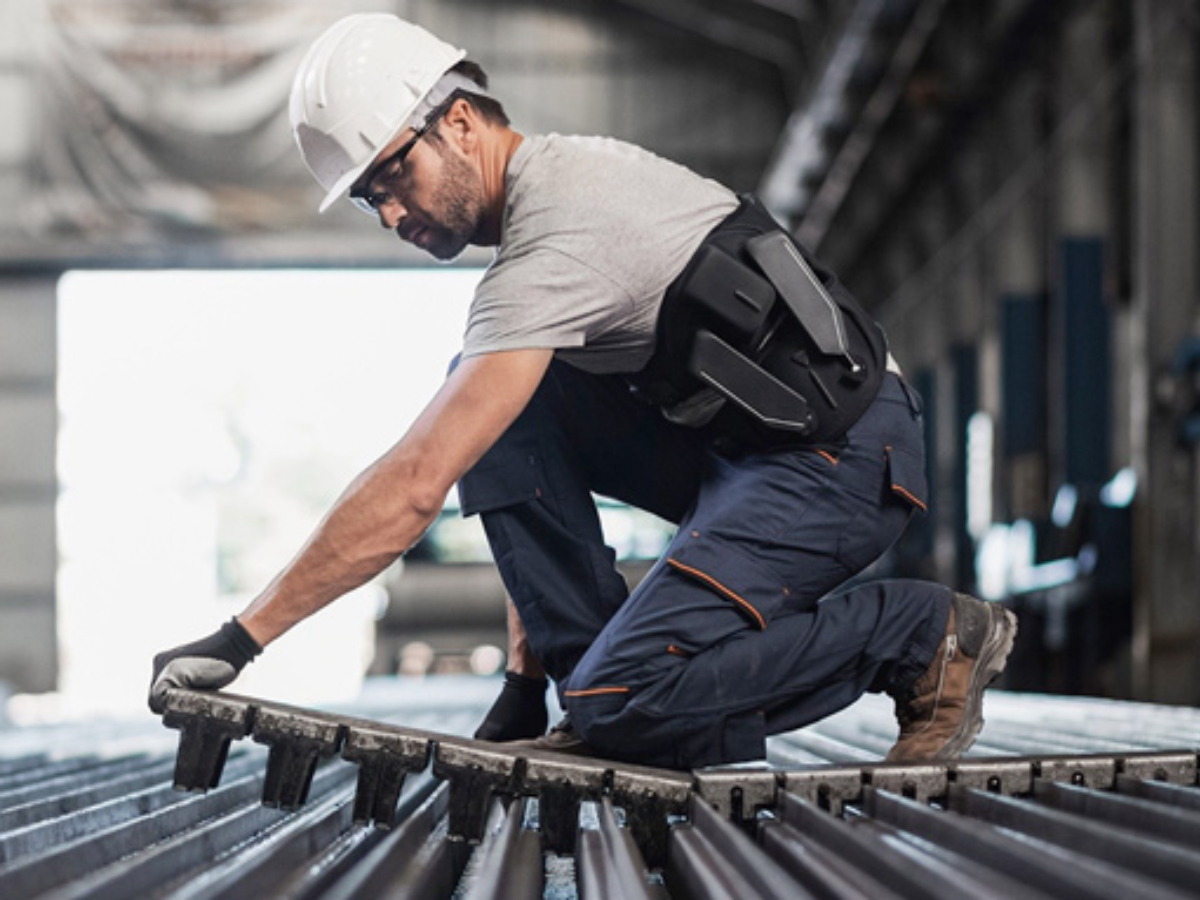
Exoskeletons offer flexible work support to maintain stability and balance and assist lifting and carrying.
Crafts, agriculture and care
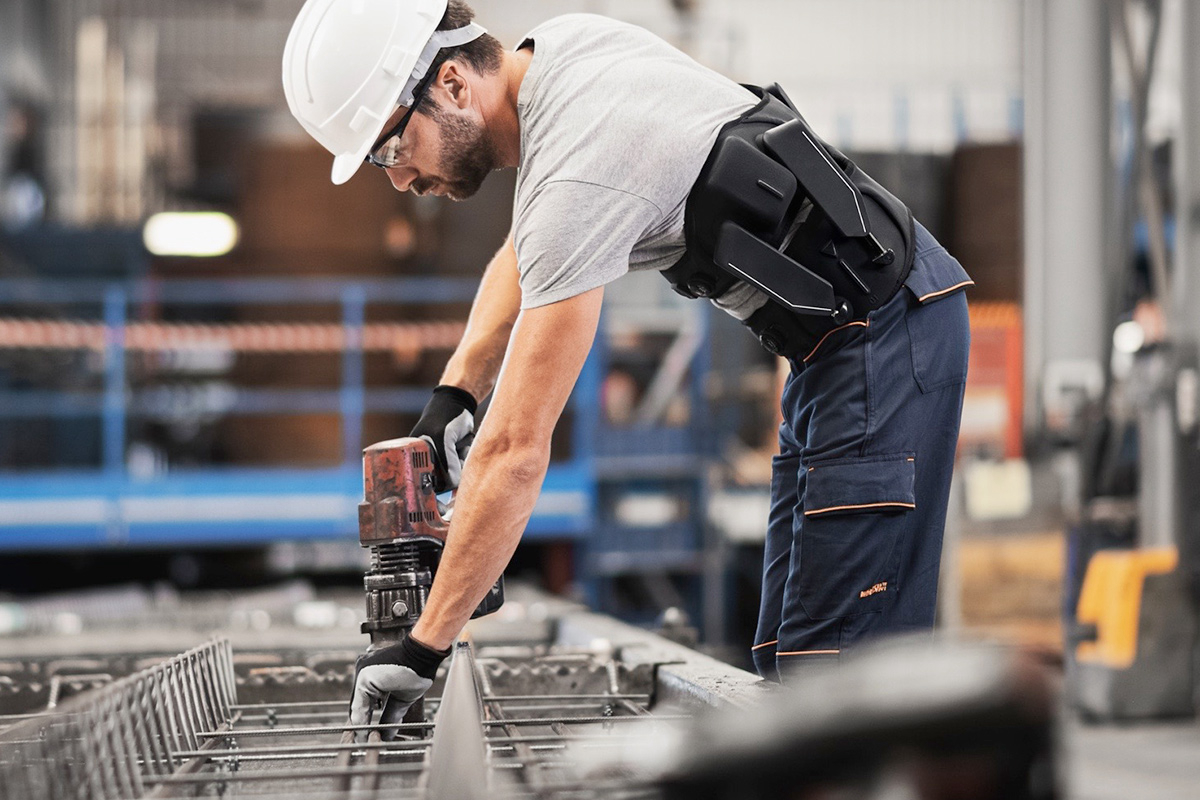
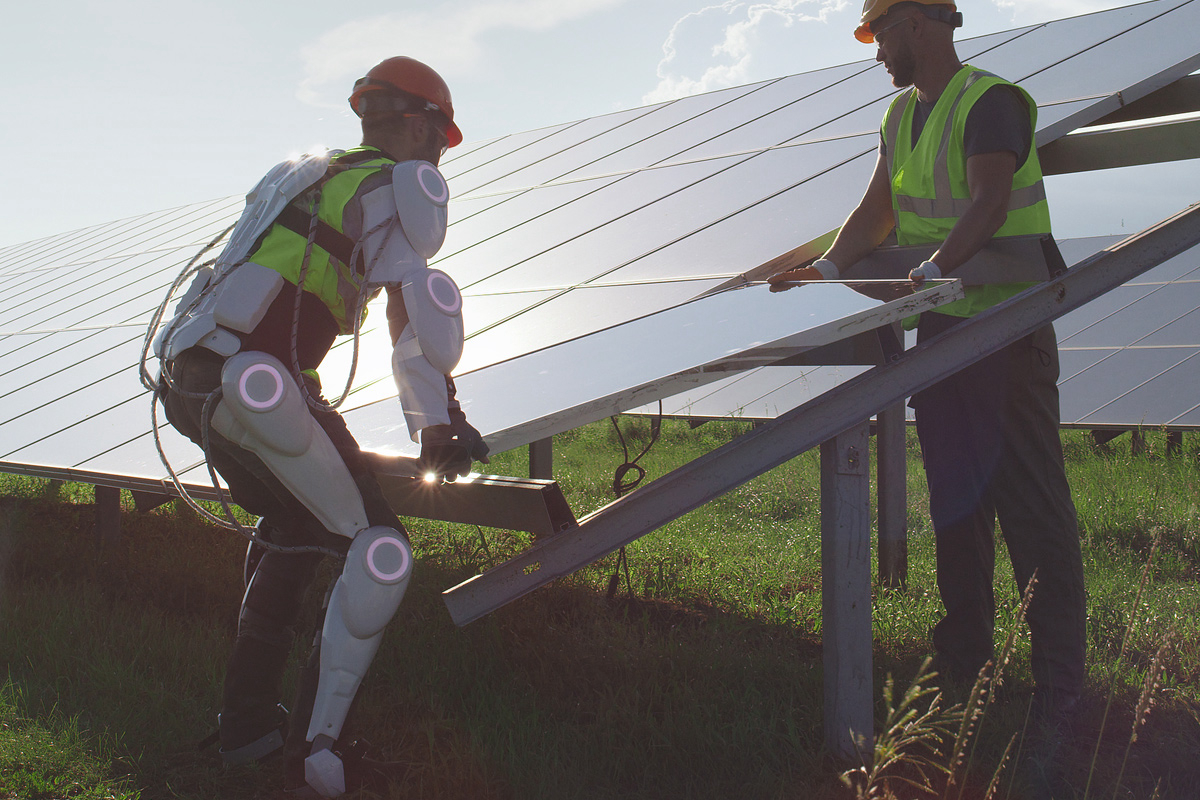
Just like industry and construction, thinking about trades, for example painting and decorating, electrical installation, ceiling construction, furniture making, precision mechanics, agriculture; harvesting, animal husbandry, soil cultivation, horticulture and care, workers are equally exposed to heavy equipment and lifting.
Lifting or repositioning patients in care, operating heavy farming equipment in agriculture or working overhead in electrics, exoskeletons can relieve the strain on the human body.
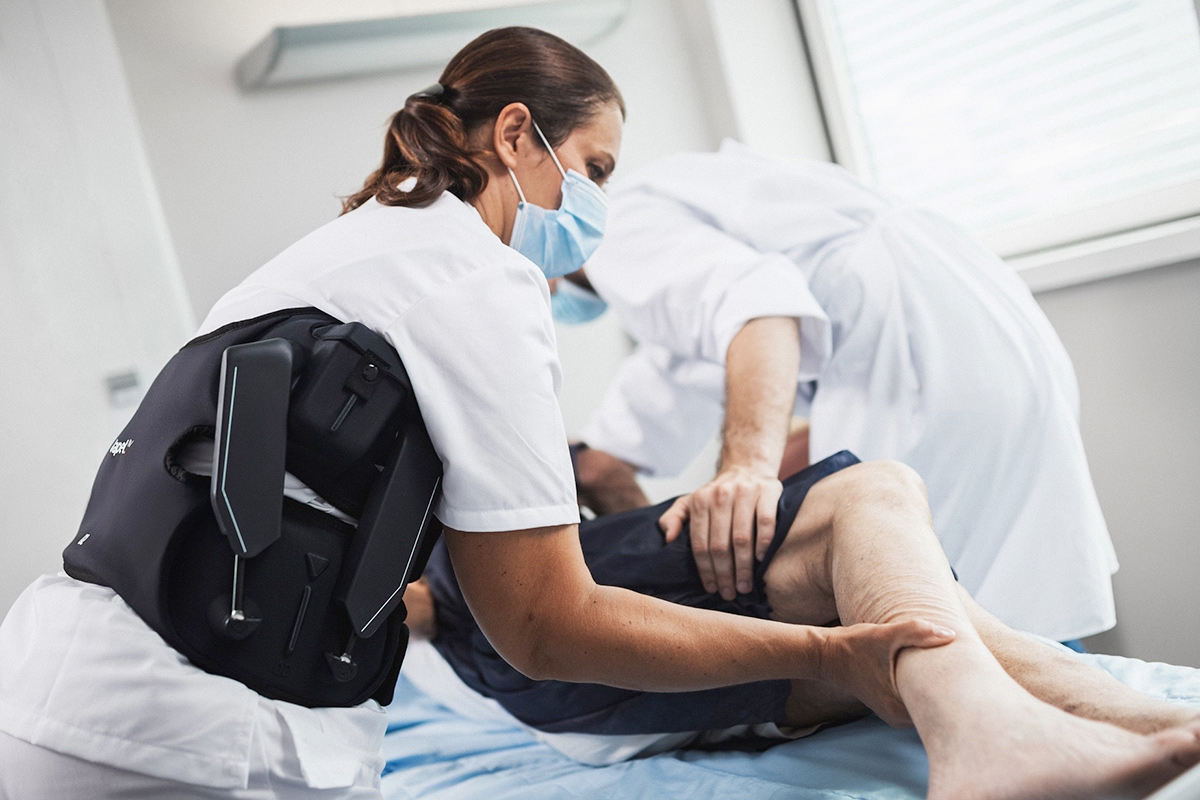
Implementing exoskeletons in the workplace
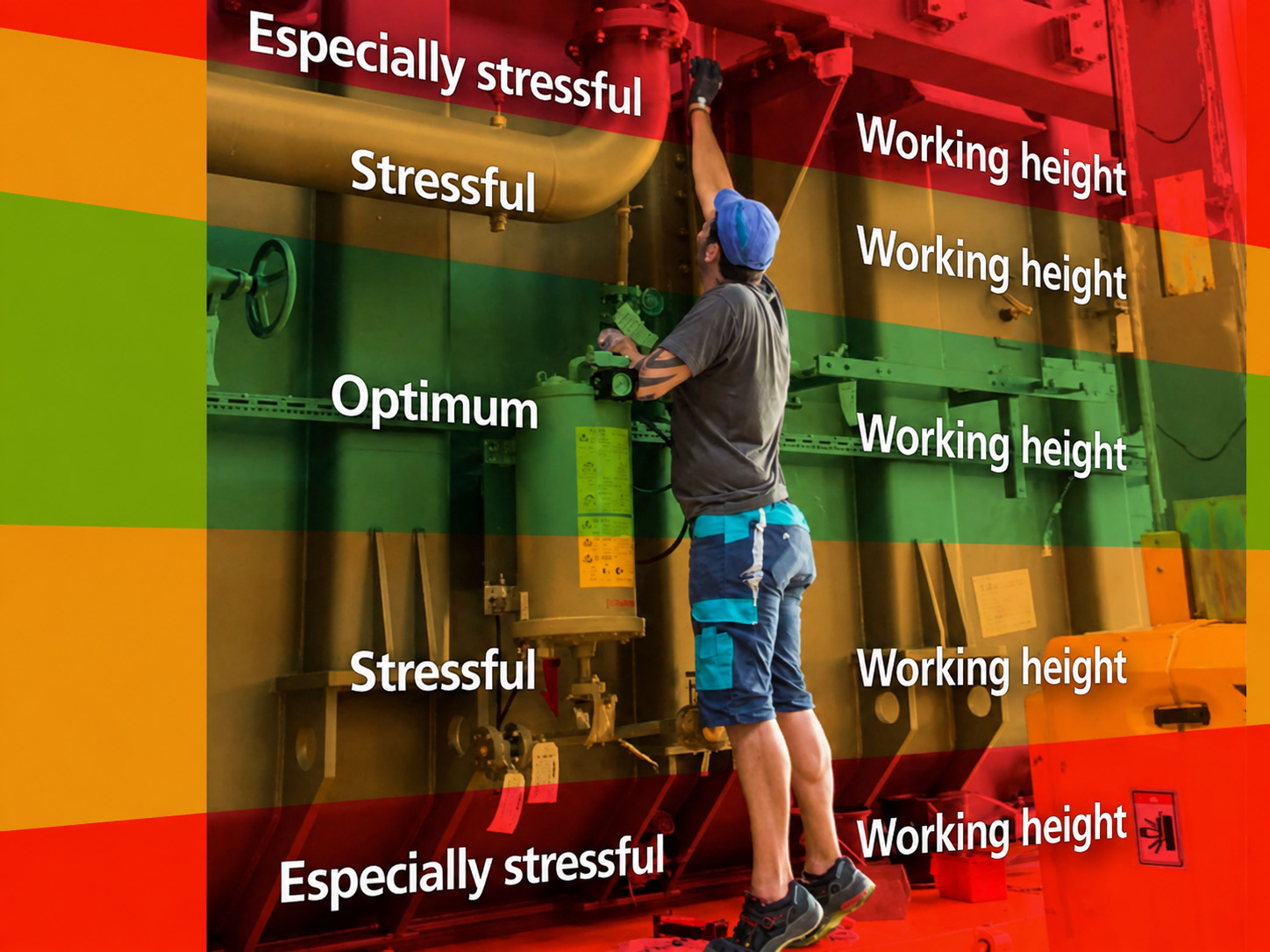
Before introducing an exoskeleton, employers should assess the tasks and risks involved and consider whether the work can be eliminated, redesigned or otherwise controlled.
Under the Manual Handling Operations Regulations 1992, employers should avoid hazardous manual handling where reasonably practicable. Where it cannot be avoided, the risks should be assessed and reduced so far as reasonably practicable.
A suitable risk assessment should consider the task, load, working environment and the individual capabilities of the people carrying out the work. Workers should also be involved in identifying and evaluating suitable solutions.
Exoskeletons can form part of this wider approach to risk reduction, providing targeted support for tasks involving lifting, repetitive movements, prolonged standing or overhead work.
Ready to explore the perfect exoskeleton solution?
Here at Carl Stahl, we supply exoskeleton solutions, offer professional training and provide ongoing support.Find our range of exoskeletons and accessories here.
To get started, please complete the form below.
Your information
Contact details
How can we help you?
After successfully submitting your enquiry, you will receive a confirmation e-mail.
* Required