

Lifting Equipment Training Courses in the UK
Looking for accredited lifting equipment training courses in the UK? Carl Stahl Evita delivers industry-recognised training covering lifting operations, wire rope inspection, forklift operation and workplace safety.
As a LEEA and AITT approved training provider, we offer both on-site and training centre courses designed to help businesses meet LOLER, PUWER and Health & Safety compliance requirements.
Whether you need lifting training for a single operator or a full workforce, we provide flexible, expert-led courses tailored to your equipment, industry and risk profile.
Training can be delivered at our dedicated Rotherham training centre or directly on-site at your premises, giving organisations flexibility while supporting compliance with UK regulations including LOLER, PUWER and the Health and Safety at Work Act. Our accredited training programmes help employers reduce operational risk and build safer, more efficient workplaces.
Our in-house Evita training team is based at Carl Stahl House, Farfield Park, Wath upon Dearne, Rotherham, South Yorkshire, S63 5DB.
For more information about upcoming courses or bespoke training options, please contact our training team for a free quote:
Email: [email protected]
Phone: 01709 763058
Complete Lifting Equipment Compliance Solution
Beyond training, Carl Stahl Evita provides lifting equipment supply, inspection, repair and certification services, allowing businesses to manage all aspects of lifting safety and compliance through a single trusted provider.
From initial equipment supply through to ongoing LOLER inspection services and workforce training, we support organisations at every stage of the lifting equipment lifecycle.
Our integrated approach helps reduce risk, improve operational efficiency and ensure full compliance with UK regulations, making us a reliable partner for businesses requiring a complete lifting equipment solution.
Our Lifting & Safety Training Courses
We offer a range of accredited lifting, safety and compliance training courses designed for industrial and workplace environments across the UK.
- Wire Rope Training
- Lifting Operations Training
- Height Safety Training
- Health and Safety Training
- Forklift Truck Training
- Confined Space Training
For more information or to discuss your training requirements, email a Carl Stahl Expert or call 01709 763058.
Wire Rope Training Courses
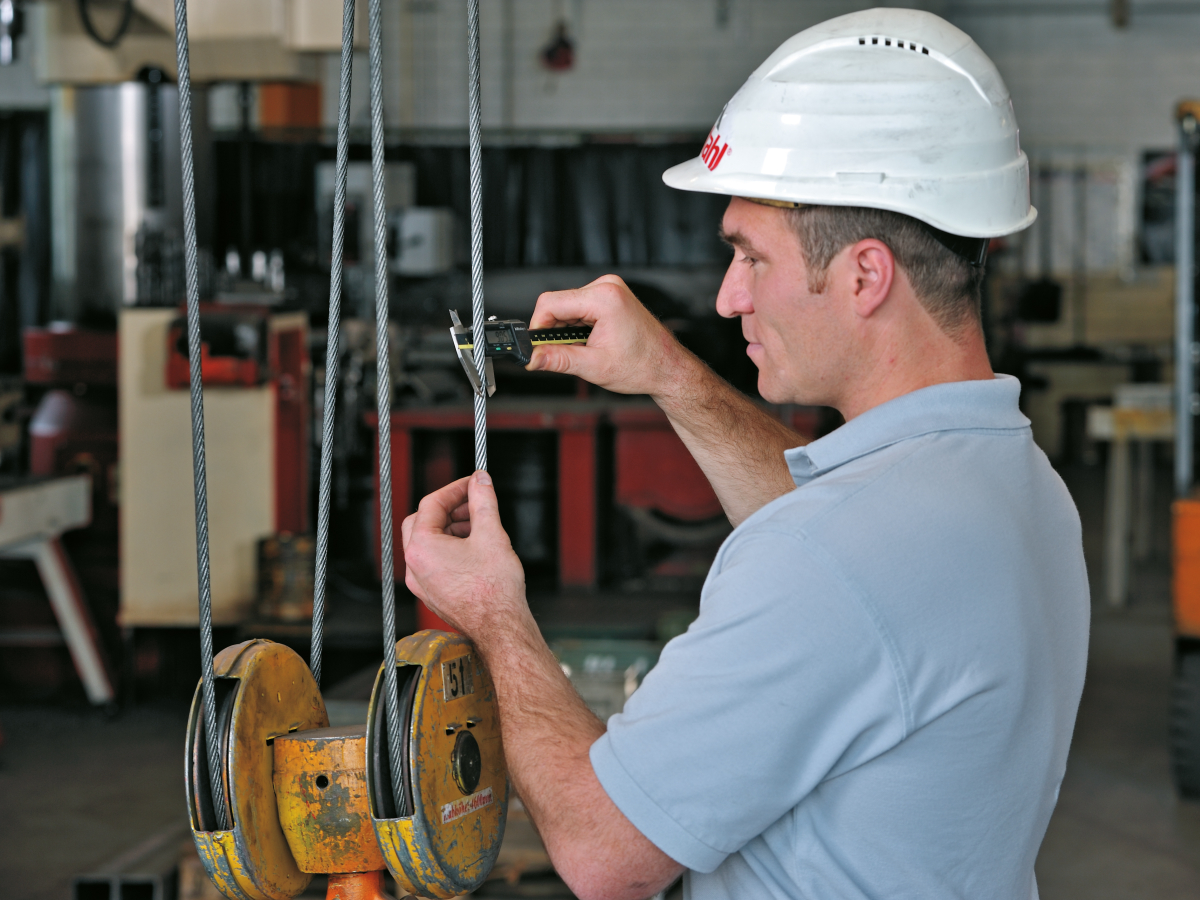
Our wire rope inspection training courses are designed to provide operators and inspectors with the knowledge required to assess wire rope condition, identify defects and ensure compliance with LOLER regulations.
Delivered by experienced instructors, this training covers inspection techniques, discard criteria and safe usage of wire rope assemblies across a wide range of industries.
We also support businesses with lifting equipment inspection services and the supply of high-quality wire rope products, providing a complete solution from training through to compliance and equipment provision.
For more information about wire rope inspection training, please call 01709 763058 or email [email protected].
[email protected]
Who Is This Wire Rope Training For?
The wire rope training courses are suitable for engineers, inspectors, maintenance personnel, lifting equipment users and anyone responsible for the inspection, examination or management of wire ropes in industrial and workplace environments. It is ideal for those who need to understand inspection requirements, identify defects and ensure wire ropes remain safe and compliant throughout their service life.
What The Courses Cover
This wire rope inspection training course provides a detailed understanding of wire rope inspection principles, damage assessment and inspection responsibilities in line with recognised industry best practice.
- Wire rope construction, terminology and types
- Common forms of wire rope damage and deterioration
- Inspection techniques and inspection frequency
- Discard criteria and assessment of defects
- Record keeping and reporting requirements
- Inspection responsibilities under LOLER and PUWER
Standards & Best Practice
Wire rope training is delivered in line with recognised industry guidance and best practice, supporting compliance with UK legislation such as LOLER and PUWER. Course content reflects relevant standards and inspection principles to help delegates understand their responsibilities and apply safe inspection practices in the workplace.
Course Delivery Options
Wire rope training courses can be delivered at our dedicated Rotherham training centre or directly on-site at your premises. On-site delivery allows training to be tailored to your equipment, working environment and operational requirements, helping delegates gain practical, relevant knowledge that can be applied immediately in the workplace.
Wire Rope Inspection LEEA Accedited Course WR01
If you're involved in the inspection of wire ropes, or even if you just use them, this course will interest you.  Read more
The WR01 course provides comprehensive wire rope inspection training for personnel who examine, specify or regularly use steel wire rope in service. Delegates learn how to apply statutory examination requirements, recognise rope deterioration and understand how construction, lay and terminations affect performance and safety.
Ideal for: Anyone responsible for in-service wire rope inspection, statutory examinations, or advising on rope condition and suitability.
Target Group:
Delegates should have a working knowledge of wire ropes, be involved in their inspection or statutory examinations.Aim:
This course aims to provide:The skills and knowledge needed to apply the statutory requirements for examination:
- A thorough grounding of wire rope construction
- effects on rope performance and applications
- factors causing rope deterioration
- A thorough knowledge of the safe use and handling of wire rope in accordance with the Health and Safety at Work Act
Objectives
By the end of this course delegates will be able to:- Apply the statutory requirements for examination of wire rope in service
- Demonstrate knowledge of wire rope terminology, constructions, characteristics and effect on rope performance, safe use & handling, and applications, through a short written test
- Get the best out of their products whilst maintaining a safe working environment
- Carry out wire rope examinations
Course Content
- The responsibilities and primary functions of a rope examiner
- Wire rope manufacturing and testing
- Rope terminology
- The different types of rope
- How they are designated
- How they are classified (includes the proposed new European Standards)
- A practical assessment of steel wire rope characteristics including rope strength, flexibility, fatigue, wear, abrasion, rotation and elongation
- Rope terminations
- Rope deterioration
- Examination procedure
- Discard criteria
- Cumulative effects of discard
- Examination records and reports
- Examples of failed wire ropes (a black museum)
- A written examination
- Practical examination of used wire rope samples
Typical duration: 2 days (classroom and practical).
Format: Centre-based, includes written and practical assessment, with optional LEEA accreditation.
[email protected]
Wire Rope Inspection LEEA Accredited on site Course WR02
LEEA accredited wire rope examiners training at your premises. Read more
WR02 delivers the same expert content as WR01 but delivered on your premises, using your own equipment and ropes wherever possible. This is ideal for organisations wanting to contextualise learning directly to their plant, cranes and duty cycles.
Ideal for: Larger teams of in-house examiners, engineers and maintenance personnel needing consistent wire rope inspection standards across a single site or multiple locations.
Target Group
Delegates should have a working knowledge of wire ropes, be involved in their inspection or statutory examinations.Aim
This course aims to provide:- The skills and knowledge needed to apply the statutory requirements for examination
- A thorough grounding of wire rope construction
- effects on rope performance and applications
- factors causing rope deterioration
- A thorough knowledge of the safe use and handling of wire rope in accordance withthe Health and Safety at Work Act
Objectives
By the end of this course delegates will be able to:- Apply the statutory requirements for examination of wire rope in service
- Demonstrate knowledge of wire rope terminology, constructions, characteristics and effect on rope performance, safe use & handling, and applications, through a short written test
- Get the best out of their products whilst maintaining a safe working environment
- Carry out wire rope examinations
Course Content
- The responsibilities and primary functions of a rope examiner
- Wire rope manufacturing and testing
- Rope terminology
- The different types of rope
- How they are designated
- How they are classified (includes the proposed new European Standards)
- A practical assessment of steel wire rope characteristics including rope strength, flexibility, fatigue, wear, abrasion, rotation and elongation
- Rope terminations
- Rope deterioration
- Examination procedure
- Discard criteria
- Cumulative effects of discard
- Examination records and reports
- Examples of failed wire ropes (a black museum)
- A written examination
- Practical examination of used wire rope samples
Our Trainers
The course is designed and presented by leading wire rope consultants with expert knowledge and experience of wire rope systems world-wide.Achievement Measurement
This two day course includes a short written test and a practical assessment with certification and optional LEEA accreditation.Days
: 2[email protected]
Wire Rope Inspection Refresher LEEA Accredited Course WR03
Need a refresher? If you've previously attended a Carl Stahl Evita wire rope inspection course, this one's for you. Read more
Target Group
The course is designed to refresh the skills and knowledge of delegates who have successfully completed a full Carl Stahl Evita Wire Rope Inspection course within the last 3-5 years.Equivalent inspection courses conducted by other training organisations may be considered acceptable as a pre-qualification for this course - keep hold of your certificate in case it's required by our training team.
Aim
This course aims to provide:- The skills and knowledge needed to apply the statutory requirements for examination
- A thorough grounding of wire rope construction
- effects on rope performance and applications
- factors causing rope deterioration
- A thorough knowledge of the safe use and handling of wire rope in accordance withthe Health and Safety at Work Act
Objectives
By the end of this course delegates will be able to:- Apply the statutory requirements for examination of wire rope in service.
- Demonstrate knowledge of wire rope terminology, constructions, characteristics and effect on rope performance, safe use & handling, and applications, through a short written test.
- Get the best out of their products whilst maintaining a safe working environment.
- Carry out wire rope examinations.
Course Content
The Responsibilities and Primary Functions of a Rope Examiner:- Rope terminology – up to date information on the different types of rope available, how they are designated and how they are classified (includes the proposed new European Standards)
- A practical assessment of steel wire rope characteristics including an appreciation of rope strength, flexibility, fatigue, wear, abrasion, rotation and elongation.
- Rope terminations – types and discard criteria
- Rope deterioration
- Examination procedure
- Cumulative (combined) effects of discard
- Examination records and reports
- Practical examination of used wire rope samples
Achievement Measurement
The one day course includes a practical assessment leading to certification on successful completion.Days
: 1[email protected]
Vehicle Lift Wire Rope Inspection Course WR05
Do you use a vehicle lift? This course is designed with you in mind. Read more
Target Group
Delegates should use, or offer advice about wire ropes specifically used in vehicle lift equipment and/or those who are responsible for inspecting or examining them.Aim
This course aims to provide:
- The skills and knowledge needed to apply the statutory requirements for examination
- A thorough grounding of wire rope construction
- effects on rope performance and applications
- factors causing rope deterioration
- A thorough knowledge of the safe use and handling of vehicle lift wire rope in accordance withthe Health and Safety at Work Act
Objectives
By the end of this course delegates will be able to:- The Responsibilities and Primary Functions of a Vehicle Lift Rope Examiner
- Vehicle lift Rope terminology – enabling the delegate to read and understand a wire rope test certificate
- A practical assessment of steel wire rope characteristics including an appreciation of rope strength, flexibility, fatigue, wear, abrasion, rotation.
- Vehicle lift rope terminations – types and discard criteria
- Rope Deterioration
- Examination Procedure
- Discard Criteria.
Qualifications/Experience of Trainers
The course is designed and presented by a wire rope industry subject matter expertCertification
The one day course includes certification on successful completion. Additionally a credit card sized proof of training will be provided for each delegate.Course Materials will include a wire rope inspection handbook and inspection checklist
Days
: 1Ratio
: 12:1[email protected]
Wire Rope Product Safety, Handling and Installation Course WR06
Those who are involved with the handling, installation and maintenance of steel wire ropes. Read more
Target Group
Those who are involved with the handling, installation and maintenance of steel wire ropes.Aim
By the end of the course delegates will be able to demonstrate an understanding of:- The risks and warnings associated with the handling, storage, selection, installation and maintenance of steel wire ropes.
- Safe working practices and procedures involved in handling wire rope.
- Personal responsibilities for their own health and safety, their colleagues and other persons on site.
Course Content
- Storage of steel wire ropes
- Certification and marking
- Handling and Installation to include; Personal Protective Equipment (PPE), rope selection criteria and section of the correct wire rope, initial examination of new rope and related equipment (Drum, Pulleys, Rope Guards, Wear Plates etc.), movement and handling of wire rope prior to installation, installation procedures, cutting and splicing and terminations.
- Inspection and Maintenance.
- Possible faults caused by incorrect installation.
- Wire rope discard criteria.
- Risks and Warnings.
Achievement Measurement
A certification of attendance is issued to participants on successful completion.Days
: 1Ratio
: 6:1[email protected]
Wire Rope Socketing Course WR07
Those involved in the maintenance and socketing of wire ropes. Read more
Target Group
Those involved in the maintenance and socketing of wire ropes.Aim
The aim of the course is to provide delegates with a thorough grounding of the legal requirements and safe working practices pertaining to resin socketing of wire ropes and to teach them the practical skills involved.Objectives
By the end of this course delegates will be able to:- Recognise various socketing applications.
- Select the tools and equipment required for socketing.
- Carry out preparation successfully.
- Make suitable measurements.
- Select a suitable socket for the job.
- Mix resin
- Carry out resin socketing using approved methods and procedures.
Course Content
- Legal Requirements. A reference to all the legal documents underlining relevant responsibilities under the Health & Safety at Work Act, Provision and Use of Work Equipment Regulations (PUWER) and Lifting Operations and Lifting Equipment Regulations (LOLER)
- Socketing Applications. An explanation of various relevant socketing applications. Factors influencing choice, assessing the operation and socket selection.
- Socketing methods & procedures. Including preparation, measurements, serving etc.
- Mixing and pouring of Resin.
- Socketing practices with ongoing assessment.
Qualifications/Experience of Trainers
The course is presented by fully qualified, multi-skilled engineers and technicians all of whom have many years experience of wire rope production and maintenance.Achievement Measurement
The course focuses on customers’ specific requirements i.e. Type of wire rope to be socketed and experience of trainees attending. Trainers employ the practical methods of instruction, explanation, demonstration, imitation and practice with ongoing assessment leading to certification on successful completion.Special Requirements
Please advise type, construction and size of wire rope/strand used, if known, prior to booking.Days
: 2Ratio
: 6:1[email protected]
Wirelock Socketing Compound - Official Training Aid
Lifting Operations Training Courses (Overhead cranes)
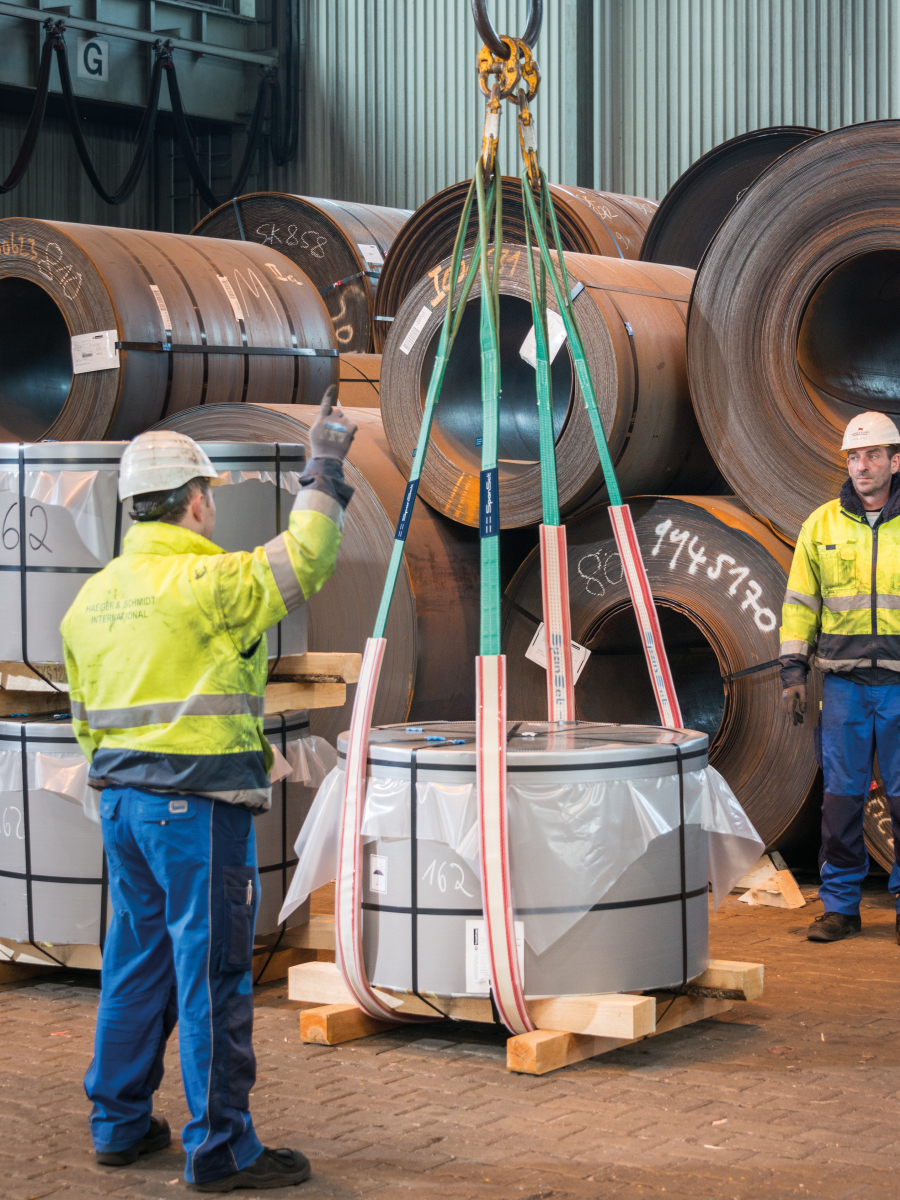
Our Lifting Operations and Overhead Crane Training courses provide practical, compliant training for operators, supervisors and safety managers responsible for lifting operations in industrial and workplace environments across the UK.
Delivered in line with industry best practice and designed to support compliance with UK regulations such as LOLER and PUWER, these courses build competence, reduce risk and help organisations demonstrate training compliance for lifting activities.
[email protected]
Who Is This Lifting Operations Training For?
Lifting operations training for overhead cranes is designed for crane operators, slingers, signallers, supervisors and anyone responsible for planning or carrying out lifting operations in industrial environments. It is particularly relevant for those working with overhead travelling cranes who need to understand safe lifting practices, correct load handling and their legal responsibilities under UK regulations. This training is also beneficial for managers and duty holders overseeing lifting operations to ensure compliance and safe systems of work are in place.
What The Courses Cover
This overhead crane training course provides a comprehensive understanding of safe lifting operations, crane controls and operator responsibilities, ensuring delegates can carry out lifting tasks safely and efficiently.
Overhead crane types and configurations
Safe operation of overhead travelling cranes
Pre-use checks and routine inspections
Load weight estimation and centre of gravity awareness
Correct slinging techniques and use of lifting accessories
Communication methods between operator, slinger and signaller
Safe lifting practices and hazard awareness
Planning and executing lifting operations safely
Understanding load stability and movement control
Operator responsibilities under LOLER and PUWER
Standards & Best Practice
Lifting operations training is delivered in accordance with recognised industry standards and best practice, supporting compliance with UK legislation including LOLER and PUWER. The course content is structured to ensure delegates understand their legal responsibilities, safe operating procedures and the importance of risk assessment and planning in lifting operations involving overhead cranes.
Course Delivery Options
Overhead crane training courses can be delivered at our dedicated training centre in Rotherham or on-site at your premises. On-site delivery allows the training to be tailored specifically to your crane systems, lifting equipment and operational environment, ensuring practical, relevant instruction that can be immediately applied in real-world lifting scenarios.
Lifting & Slinging Safely Course LO01
Those who have, or required to have ‘hands on’ knowledge and/or responsibilities involving the use of lifting equipment used within their operational environment. Read more
Target Group
Those who have, or required to have ‘hands on’ knowledge and/or responsibilities involving the use of lifting equipment used within their operational environment.Aim
The aim of the course is to provide selected delegates with basic underpinning knowledge of lifting and slinging to enable them to carry out their lifting operations in accordance with statutory requirements and without risk to health.Objectives
By the end of this course delegates will be able to:- Demonstrate knowledge of the basic requirements of legislation, their legal obligations and responsibilities.
- Demonstrate knowledge of force influences, sling configurations and safety precautions.
- Estimate load weights.
- Select appropriate lifting equipment for each lift.
- Carry out pre-use inspection of lifting equipment.
- Use appropriate hand signals.
- Carry out successful lifting operations safely.
Course Content
Theory- Definitions and Terminology – The responsible person. The competent person, working load limit, safe working load, factor of safety, mass and force units, test and examination, test and thorough examination etc.
- The Law Consideration of the requirements of the law under the health and Safety at Work Act, personal liability and legal obligations relating the use of lifting equipment. Includes an explanation of current British and European Law.
- Video – ‘Plan your slinging’ A systematic approach to slinging operations.
- Force Influences – How to calculate the forces present in slings and other lifting equipment under given loading conditions. Consideration of the ‘uniform load’ and ‘trigonometric rating of slings.
Practical
- Choosing the right sling for the job – Consideration of the different types of slings available, the advantages and disadvantages of each type. Pre-use Inspections.
- How much does it weigh? – The most fundamental question in any slinging operation. Guidance on the estimation of loads of unknown weight.
- Slinging accessories – Hooks, shortening clutches, rigging screws, wire rope grips etc. The correct choice and proper use.
- Slinging operations and assessments – Questions to ask, ‘Do’s and Don’ts’, crane signals and Personal Protective Equipment (PPE)
Achievement Measurement
This one day course is carried out in accordance with the code of practice for the safe use of lifting equipment as published by LEEA, and includes practical lifting operation assessments leading to certification on successful completion.Days
: 1Ratio
: 6:1↑ Back to Top
Lifting & Slinging Safely LEEA Accredited Course LO02
Those who have, or required to have ‘hands on’ knowledge and/or responsibilities involving the use of lifting equipment used within their operational environment. Read more
Target Group
Those who have, or required to have ‘hands on’ knowledge and/or responsibilities involving the use of lifting equipment used within their operational environment.Aim
The aim of this course is to provide selected delegates with basic underpinning knowledge of lifting and slinging to enable them to carry out lifting operations specific to their requirements and their environment in accordance with the law and without risk to health.Objectives
By the end of this course delegates will be able to:- Demonstrate knowledge of the basic requirements of legislation, their legal obligations and responsibilities.
- Demonstrate knowledge of force influences, sling configurations and safety precautions.
- Estimate load weights.
- Select appropriate lifting equipment for each lift.
- Carry out pre-use inspection of lifting equipment.
- Use appropriate hand signals.
- Carry out successful lifting operations safely.
Course Content
Theory- Definitions and Terminology – The responsible person. The competent person, working load limit, safe working load, factor of safety, mass and force units, test and examination, test and thorough examination etc.
- The Law Consideration of the requirements of the law under the health and Safety at Work Act, personal liability and legal obligations relating the use of lifting equipment. Includes an explanation of current British and European Law.
- Video – ‘Plan your slinging’ A systematic approach to slinging operations. Force Influences – How to calculate the forces present in slings and other lifting equipment under given loading conditions.
- Consideration of the ‘uniform load’ and ‘trigonometric rating of slings.
Practical
- Choosing the right sling for the job – Consideration of the different types of slings available, the advantages and disadvantages of each type. Pre-use Inspections.
- How much does it weigh? – The most fundamental question in any slinging operation. Guidance on the estimation of loads of unknown weight.
- Slinging accessories – Hooks, shortening clutches, rigging screws, wire rope grips etc. The correct choice and proper use.
- Slinging operations and assessments – Questions to ask, ‘Do’s and Don’ts’, crane signals and Personal Protective Equipment (PPE)
Achievement Measurement
This two day course is carried out in accordance with the code of practice for the safe use of lifting equipment as published by LEEA, and includes practical lifting operation assessments leading to a LEEA accredited certificate on successful completion.Days
: 2Ratio
: 6:1[email protected]
Lifting Gear Examiners Course LO03
Users of lifting gear and those involved in the inspection or statutory examination of lifting gear in service. Read more
Target Group
Users of lifting gear and those involved in the inspection or statutory examination of lifting gear in service. It is also suitable for those who are involved with, or give advice to, users of lifting gear.Aim
The aims of the course are to:- Provide delegates with a thorough grounding of the law and standards pertaining to lifting gear.
- To teach the statutory requirements for, inspection, rejection and reporting of lifting gear in service.
- To provide some practical advice that will enable those who attend to carry out lifting gear inspections confidently.
Objectives
By the end of this course delegates will be able to:- Carry out statutory ‘in service’ inspections.
- Demonstrate knowledge of examination, storage, marking and handling of lifting gear
- Demonstrate knowledge of terminology, law, standards and safe working practices concerning lifting gear
- Offer sound advise to other users
- Maintain a safe working environment whilst working with lifting gear.
Course Content
- Definitions
- Law and Standards
- Legal Requirements (Health & Safety at Work Act), PUWER, LOLER, European Directives, Supply of Machinery (Safety) Regulations.
- Statutory Certificates & Reporting
- Principles for Selection of Lifting Gear (general)
- Marking, Storage & Handling (general)
- In-service Inspections (general)
- Materials used in lifting gear
- Force influences in lifting gear
- Inspection of lifting gear – Explanation, Demonstration & Imitation, Examination of black museum samples identifying faults, wear and common malpractice etc.
- Videos – Slinging Safely & Chain Slings
- Examination of lifting gear A practical assessment of lifting gear examination carried out on prepared used samples followed by group discussion
Achievement Measurement
This two-day course is carried out in accordance with the Lifting Operations and Lifting Equipment Regulations 1998 (LOLER98) and the Provision and Use of Work Equipment Regulations 1998 (PUWER98) as published by the Health and Safety Executive. It includes a number of short written confirmation tests and a practical lifting gear inspection assessment leading to certification on successful completion.Days
: 2Ratio
: 8:1[email protected]
Lifting Gear Examination Refresher Course LO04
Users of lifting gear and those involved in the inspection or statutory examination of lifting gear in service. Read more
Target Group
Users of lifting gear and those involved in the inspection or statutory examination of lifting gear in service. It is also suitable for those who are involved with, or give advice to, users of lifting gear.The course is designed to refresh the skills and knowledge of delegates who have successfully completed a full Carl Stahl Evita Lifting Gear Examination Course within the last 3-5 years.
Equivalent Inspection courses conducted by other training organisations may be considered acceptable as a pre-qualification for this course (Please refer details and dates to Carl Stahl Evita normally we would require proof of certification in this situation)
Aim
The aims of the course are to:- Provide delegates with a thorough grounding of the law and standards pertaining to lifting gear.
- Teach the statutory requirements for, inspection, rejection and reporting of lifting gear in service.
- provide some practical advice that will enable those who attend to carry out lifting gear inspections confidently.
Objectives
By the end of this course delegates will be able to:- Carry out statutory ‘in service’ inspections.
- Demonstrate knowledge of examination, storage, marking and handling of lifting gear.
- Demonstrate knowledge of terminology, law, standards and safe working practices concerning lifting gear.
- Offer sound advice to other users.
- Maintain a safe working environment whilst working with lifting gear.
Course Content
- Definitions
- Law and Standards
- Legal Requirements (Health & Safety at Work Act), PUWER, LOLER, European Directives, Supply of Machinery (Safety) Regulations.
- Statutory Certificates & Reporting
- Principles for Selection of Lifting Gear (general)
- Marking, Storage & Handling (general)
- In-service Inspections (general)
- Materials used in lifting gear
- Force influences in lifting gear
- Inspection of lifting gear – Explanation, Demonstration & Imitation, Examination of black museum samples identifying faults, wear and common malpractice etc.
- Examination of lifting gear A practical assessment of lifting gear examination carried out on prepared used samples followed by group discussion
Achievement Measurement
This one-day course is carried out in accordance with the Lifting Operations and Lifting Equipment Regulations 1998 (LOLER98) and the Provision and Use of Work Equipment Regulations 1998 (PUWER98) as published by the Health and Safety Executive. It includes a written confirmation test and a practical lifting gear inspection assessment leading to certification on successful completion.Days
: 1Ratio
: 8:1[email protected]
Lifting Operations Instructor "Train the Trainer" Course LO05
This course is aimed at employees who have been identified and/or selected to carry out ‘in-house’ instruction on lifting operations. Read more
Target Group
This course is aimed at employees who have been identified and/or selected to carry out ‘in-house’ instruction on lifting operations.Aim
The aim of the course is to train experienced lifting operatives to instruct other personnel in the safe use of lifting equipment.Objectives
By the end of this course delegates will be able to:- Recognise the need for the requirements of safe systems of work in relation to lifting operations.
- Instruct operatives on their obligations with respect to statutory requirements relating to lifting operations, Health & Safety at Work Act, Provision and Use of Work Equipment Regulations (PUWER), and Lift Operations and Lifting Equipment Regulations (LOLER).
- Instruct operatives on the safe use of lifting equipment in accordance with the Code of Practice for the Safe Use of Lifting Equipment as published by the Lifting Equipment Engineers Association (LEEA).
- Develop effective training programmes and schedules in lifting operations applicable to their own working environment.
- Measure levels of instruction, by continuous performance review and assessments.
Course Content
- Legislation, an update on all legislation including, Health & Safety at Work Act, PUWER and LOLER.
- Introduction to the LEEA Code of Practice for the safe Use of Lifting Equipment.
- The principle components of the systems approach to training. Analyse training projects, write training objectives, determine training content, select methods of delivery and validation.
- Method of Instructional Techniques (MOIT). Includes valuable principles and techniques of good instruction.
- Delegate teaching practices, designed to practice and assess delegate’s knowledge and ability to instruct.
- Final assessment.
Duration
5 Days intensive, some evening work may be necessary.Achievement Measurement
Delegate’s progress is monitored by ongoing assessment of up to 3 individual teaching practices, the final of which is used to measure overall performance. A report on each candidate is prepared and certificates are awarded to those that are successful on completion.General Information
A copy of the LEEA Code of Practice for the Safe Use of Lifting Equipment valued at £135.00 is issued to each candidate at the start of all open courses.Days
: Novice 5 days, Refresher 3 daysRatio
: 6:1[email protected]
Management of Lifting Operations Course LO06
Those with a working knowledge of lifting equipment and responsible for or involved in the practical aspects of lifting & slinging operations. Read more
Target Group
Those with a working knowledge of lifting equipment and responsible for, or involved in, the practical aspects of lifting and slinging operations. It is especially suitable for those who manage or likely to manage other Banksmen/Slingers e.g. Service Engineers, Technicians and Supervisors, Managers, Safety Officers etc., and any person who offers or is likely to offer advice and/or assistance to, users of lifting equipment.Aim
The aim of the course is to provide selected delegates with a thorough grounding of lifting and slinging operations, including employer/employee responsibilities statutory requirements, records and ‘in depth’ safe working practices.Objectives
By the end of this course delegates will be able to:- Demonstrate knowledge of the legal requirements, employer/employee obligations and responsibilities, and safe working practices pertaining to the operation of mechanical lifting.
- Outline the principles for the selection of lifting equipment.
- Demonstrate knowledge of force influences for various sling configurations.
- Demonstrate knowledge of weight estimation.
- Select appropriate lifting equipment for various lifting operations.
- Carry out identification and pre-use inspection of lifting equipment.
- Use appropriate hand signals.
- Carry out safe, successful lifting operations and lift plan assessments.
Course Content
- Definitions & Terminology. An explanation of all the commonly used definitions and terminology.
- The Law, Standards and Legal Requirements. including the Health & Safety at Work Act, LOLER, PUWER, Supply of Machinery (Safety) Regulations, and recognised codes of practice.
- Principles for the Selection of Lifting Equipment. Marking, storage and handling, pre-use inspection, assessing the operation, and certification.
- Slinging Methods. Design of slings, choosing the right sling for the job, consideration of the different types of slings available, the advantages and disadvantages of each.
- Videos – Safe Use of Slings and ‘Plan your slinging’ A systematic approach to slinging operations.
- Force Influences – How to calculate the forces present in slings and other lifting equipment under given loading conditions. Consideration of the ‘uniform load’ and ‘trigonometric rating of slings.
- How much does it weigh? – The most fundamental question in any slinging operation. Guidance on the estimation of loads of unknown weight and Slinging Practical.
- Slinging accessories – Hooks, shortening clutches, rigging screws, wire rope grips etc. The correct choice and proper use.
- Written Assessment designed to assess delegates and ensure that instruction has been assimilated.
- Organisation of lifting operations, the key fundamentals of how to plan a lift, correct supervision and carrying out the lift safely, culminating in completing a practical lift plan.
- Slinging operations and assessments – Questions to ask, ‘Do’s and Don’ts’, crane signals and Personal Protective Equipment (PPE)
Achievement Measurement
This two day course is carried out in accordance with the code of practice for the safe use of lifting equipment as published by LEEA, and includes theoretical and practical lifting operation assessments leading to certification on successful completion.Days
: 2Ratio
: 8:1[email protected]
Lorry Mounted Crane Course(HIAB) LO07
A course for candidates wishing to achieve a nationally recognised operator qualification, enabling them to operate a lorry mounted crane safely within the workplace. Read more
Target Group
A course for candidates wishing to achieve a nationally recognised operator qualification, enabling them to operate a lorry mounted crane safely within the workplace.Aim
The aim of this course is to provide selected delegates with the required knowledge in the use of a Lorry Mounted Crane (HIAB) to enable them to carry out safe lifting operations in their workplace environment in accordance with the law and without risk to health.Course Content
- The Need To Train
- Health and Safety
- Presentation
- Video
- Introduction to the
- Equipment
- Basic Lifting/Operating
- Negotiating a Simple Course
- Pre-Use Checks
- Excavating at Various Depths
- Advanced Exercise
- Theory Test
- Practical Test
Achievement Measurement
On successful completion of the course, candidates will receive an AITT operator's certificate and plastic photo ID card.Days
: 3Ratio
: 3:1[email protected]
Safe Operation of an Overhead Travelling Crane Course LO08
Those identified to use, or responsible for others who use overhead travelling cranes. Read more
Target Group
Those identified to use, or responsible for others who use overhead travelling cranes. Delegates must be physically fit, have good eyesight, hearing ability and be able to judge distances.Aim
The aim of this course is to train selected delegates in the safe operation and effective use of overhead travelling cranes in their workplace. Two separate courses are available to meet the needs of those with floor controls or cab controls. The duration of each programme is dependant upon experience, 1 day for experienced operatives, 2 to 3 days for those with little or no experience.Objectives
By the end of this course delegates will be able to:- By the end of the course delegates will be able to:
- Operate the crane safely in accordance with manufacturers handbook and accepted codes of practice.
- Demonstrate knowledge of the concepts set out in PM55 “Safe working with overhead cranes”.
- Demonstrate an understanding of the controls of the particular model used during the training.
- Demonstrate knowledge of the proper use of lifting tackle.
- Estimate the weight of loads.
- Use appropriate communications.
Course Content
- Health & Safety at Work Regulations.
- Lifting gear regulations
- Lifting gear pre-use inspections
- Load handling
- Stacking and de-stacking
- Correct slinging
- Handling methods
- Capacities and effects of sling angles
- Weight assessment and capacities
- Signalling
General Information and Achievement Measurement
These courses include assessments and successful completion leads to certification.Days
: 1Ratio
: 6:1[email protected]
Safe Operation of Overhead Travelling Crane – LEEA Accredited Course (LO09)
Those identified to use, or responsible for others who use an overhead travelling cranes and the associated lifting equipment and accessories to be able to perform a lifting operation. Read more
Target Group
Those identified to use, or responsible for others who use an overhead travelling cranes and the associated lifting equipment and accessories to be able to perform a lifting operation. Delegates must be physically fit, have good eyesight, hearing ability and be able to judge distances.Aim
The aim of this course is to train selected delegates in the safe operation and effective use of overhead travelling cranes in their workplace and to provide delegates with the knowledge of lifting and slinging to enable them to carry out their lifting operations in accordance with statutory requirements and without risk to health.Objectives
By the end of this course delegates will be able to:- Demonstrate knowledge of the basic requirements of legislation, their legal obligations and responsibilities.
- Demonstrate knowledge of force influences, sling configurations and safety precautions
- Estimate load weights
- Select appropriate lifting equipment for each lift
- Carry out pre-use inspection of lifting equipment
- Use appropriate hand signals
- Carry out successful lifting operations safely
- Operate the crane safely in accordance with manufacturer’s handbook and accepted codes of practice
- Demonstrate an understanding of the controls of the particular model used during the training
- Demonstrate knowledge of the proper use of lifting tackle
Course Content
Theory- Definitions and Terminology – The responsible person. The competent person, working load limit, safe working load, factor of safety, mass and force units, test and examination, test and thorough examination etc.
- The Law Consideration of the requirements of the law under the health and Safety at Work Act
- Force Influences – How to calculate the forces present in slings and other lifting equipment under given loading conditions. Consideration of the ‘uniform load’ and ‘trigonometric rating of slings
- Plan your lift. – Basic requirements as laid down in LOLER98
Practical
- Choosing the right sling for the job – Consideration of the different types of slings available, the advantages and disadvantages of each type. Pre-use Inspections
- How much does it weigh? – The most fundamental question in any slinging operation. Guidance on the estimation of loads of unknown weight
- Slinging accessories – Hooks, shortening clutches, rigging screws, wire rope grips etc. The correct choice and proper use
- Safe use of the overhead travelling crane – Pre-use checks, correct orientation, load movement and control
Achievement Measurement
This two day course is carried out in accordance with the code of practice for the safe use of lifting equipment as published by LEEA, and includes practical lifting operation assessments leading to a LEEA accredited certificate on successful completion.Days
: 2Ratio
: 4:1[email protected]
Appointed Person Course LO10
those with a good working knowledge and understanding of cranes and lifting operations and selected for duties as an ‘Appointed Person’ Read more
Target Group
A four day course aimed at those with a good working knowledge and understanding of cranes and lifting operations and selected for duties as an ‘Appointed Person’ within their own organisation.Aim
The aim of the course is to train selected delegates in the duties of an ‘Appointed person’:- A better understanding of statutory requirements
- Planning of lifts
- Delegation of duties
- Risk assessment/method statements
- Safe working practices
Objectives
At the end of this course, trainees will be able to demonstrate sufficient knowledge and practical ability to carry out the duties of the ‘Appointed Person’ and will be able to successfully plan and execute basic lifting operations.Course Content
- Legislation (LOLER & PUWER)
- Identification of crane parts and components
- Understanding of Crane Rated Capacity Indicator & Limiter
- Risk Assessment/Method Statement
- Crane Duty Charts
- Crane Selection
- Crane Stability and Ground conditions
- Inspection, selection and usage of lifting accessories
- Planning exercises and group analysis
Achievement Measurement
Successful completion of two written test papers and final practical exercise leads to certification.For the practical exercise delegates are asked to plan a lift. Given all necessary information, they will be required to draw up a risk assessment and a method statement including all relevant documentation and safety certification and drawings of lift and location. The details are to include crane selection, crane location, lifting auxiliary equipment, lifting and placing of the load, and all relevant safety precautions.
Duration
: 4 days. Note: As an optional extra, successful delegates can be issued with an identity, proof of assessment and training card; further details and costs of this on request.Ratio
: 8:1[email protected]
Vehicle Banksman Course LO11
All identified personnel who are required to/and or are responsible for assisting in the manoeuvring and loading/unloading of vehicles. Read more
Target Group
All identified personnel who are required to/and or are responsible for assisting in the manoeuvring and loading/unloading of vehicles.Aim
The aim of this course is to raise the awareness of candidates to the dangers caused when reversing and introduces the practical techniques and hand signals that will assist drivers in their manoeuvring.Objectives
By the end of this course delegates will be able to:- Reverse vehicles into a confined space in a safe manner.
- Identify likely hazardous areas within a working environment.
- Demonstrate the recommended hand signals in accordance with HSE`s Workplace Transport Safety Guidance (HSG136).
- Guide large goods vehicles both rigid and articulated using the recommended hand signals as stated in the above guidance.
Course Content
The course content and duration varies according to candidate’s requirements and is as follows:- Legal Requirements
- Case Studies
- Hazard Identification
- Site Safety
- Common Risks
- Written Assessment
- Practical Reversing & Parking
Achievement Measurement
A Certificate of Training is issued to successful candidates. Success is measured by a theoretical and practical assessment.Days
: 1/2Ratio
:4 :1[email protected]
Safe Use of Permanent Lifting Magnets Course LO12
Users of permanent magnetic lifters. Those carrying out “in service” inspection of permanent magnetic lifters. Read more
Target Group
Users of permanent magnetic lifters. Those carrying out “in service” inspection of permanent magnetic lifters. It is also suitable for those who are involved with, or give advice to, users of permanent magnetic lifting equipmentAim
The aims of the course are to provide selected delegates with:- Provide the delegate with guidance on the operation and safe use of permanent magnetic lifters
- Provide delegates with a thorough grounding of the law relating to the use of and in service inspection of permanent magnetic lifters.
- Provide some practical advice that will enable those who attend to carry out “in service” inspections of permanent magnetic lifters effectively.
Objectives
By the end of this course delegates will be able to:- Carry out lifting operations using permanent magnetic lifters safely and effectively.
- Carry out “in service” inspection of permanent magnetic lifters.
- Demonstrate knowledge of examination, storage, marking and handling of permanent magnetic lifters.
- Demonstrate knowledge of terminology, law, standards and safe working practices concerning permanent magnetic lifters.
- Offer sound advise to other users.
- Maintain a safe working environment whilst working with permanent magnetic lifters.
Course Content
- Definitions
- Legal Requirements under LOLER
- Marking and Certification requirements
- How permanent magnetic lifters operate
- The effect of air gap
- The effect of material thickness
- How to allow for different steel types
- The effect of contact area: Environmental considerations (heat, humidity ,etc)
- Rules for the safe operation and use of permanent magnetic lifters
- Effective “ in service” maintenance and inspection of permanent lifting magnets
- Practical exercise
- Multiple choice written assessment
Achievement Measurement
This one -day course is carried out in accordance with the code of practice for the safe use of lifting equipment (section 25) as published by LEEA. The course also takes account of manufacturer’s recommendations relative to the safe use of permanent magnetic lifters. It includes a multiple choice confirmation test and a practical lifting assessment leading to certification on successful completion.
Days
: 1[email protected]
Height Safety Training Courses
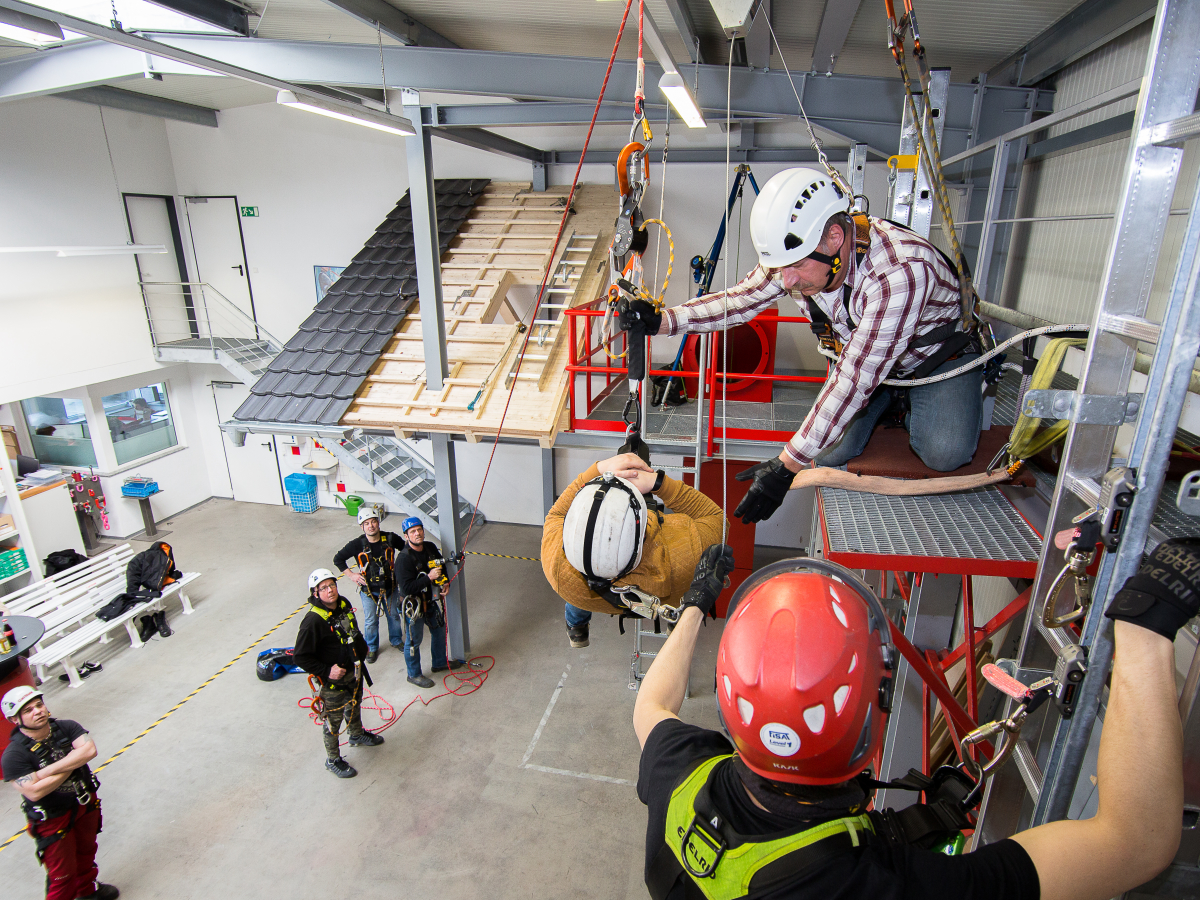
Customers can be assured that their safety is always our number one priority and that all aspects of the training activities undertaken are fully insured.
Our professionally qualified instructors have extensive experience in height safety training and cover the whole of the UK and parts of mainland Europe.
Choose the appropriate courses from the list below or write us directly:
[email protected]
Who Is This Height Safety Training For?
Height safety training courses are designed for anyone who works at height or is responsible for planning, supervising or managing work at height activities. This includes engineers, maintenance personnel, construction workers, roof workers and site supervisors operating in industrial and commercial environments. The training is particularly relevant for duty holders who need to ensure safe systems of work are in place and that personnel are competent when working at height in accordance with UK regulations.
What The Courses Cover
This height safety training course provides a comprehensive understanding of working at height risks, safety equipment and best practice procedures, ensuring delegates can carry out tasks safely and in compliance with current legislation.
Understanding the risks associated with working at height
Selection and correct use of height safety equipment
Harness fitting, inspection and safe use
Use of lanyards, fall arrest systems and restraint systems
Inspection procedures and defect identification
Anchor points and safe access systems
Safe access and egress techniques
Planning work at height and risk assessment
Emergency procedures and rescue considerations
Responsibilities under Work at Height Regulations and PPE Regulations
Standards & Best Practice
Height safety training is delivered in line with recognised industry standards and best practice, supporting compliance with UK legislation including the Work at Height Regulations and PPE Regulations. The course content is designed to ensure delegates understand their responsibilities, apply safe working methods and reduce the risk of falls in the workplace.
Course Delivery Options
Height safety training courses can be delivered at our dedicated training centre in Rotherham or on-site at your premises. On-site delivery allows the training to be tailored to your specific working environment, access systems and equipment, ensuring practical, relevant instruction that can be immediately applied in real-world working at height scenarios.
Basic Working At Height Course WAH01
The aim of this course is to ensure that personnel are aware of the legal and best of practice requirements when using fall protection equipment and are aware of their responsibilities. Read more
Aim
The aim of this course is to ensure that personnel are aware of the legal and best of practice requirements when using fall protection equipment and are aware of their responsibilities.Objectives
By the end of this course delegates will be able to:
- Understand the effects of gravity and its consequences
- To be aware of some of the legislation which affects working at height and fall protection equipment
- Understand hazard analysis and risk assessments with regards to work at height
- Understand the need for a rescue plan
- Recognise the importance of inspecting equipment
- Affect a detailed inspection of the equipment
- Demonstrate an in depth understanding of the three types of fall protection systems and the components used
Handouts
On completion of the course, delegates will be given the trainer’s full course notesAssessment
TheoryWritten Assessment
[email protected]
Managing Working at Height Course WAH02
The aim of this course is to ensure that personnel are aware of the legal and best practice requirements when using fall protection equipment, and are aware of their responsibilities. Read more
Aim
The aim of this course is to ensure that personnel are aware of the legal and best practice requirements when using fall protection equipment, and are aware of their responsibilities.Objectives
By the end of this course delegates will be able to:- Understand the effects of gravity, and its consequences
- To be aware of / have an understanding of the legislation and guidance with regards to working at height and fall protection equipment
- Understand hazard analysis and risk assessment in connection to work at height (Including Accident reporting (RIDDOR)
- Understand the need for a rescue plan
- Affect a pre-use inspection of work at height equipment (harness / lanyard)
- Demonstrate a good understanding of the three types of fall protections systems, and the components used in these system.
- Select products for basic work at height applications
Handouts
On completion of this course, Trainees will be given course notes in the form of PDF Files (CD / Disc)Assessment
An assessment will be given at the end of the course.Certification
On successful completion of the course/assessment, all trainees will be issued with a certificate (to be posted)Days
: 1Ratio
: 8:1[email protected]
Personal Fall Protection Equipment Inspection Course WAH03
The aim of this course is to ensure that personnel are aware of the legal and best practice requirements when using fall protection equipment, and are aware of their responsibilities. Read more
Aim
The aim of this course is to ensure that personnel are aware of the legal and best practice requirements when using fall protection equipment, and are aware of their responsibilities.Objectives
By the end of this course delegates will be able to:- Understand the effects of gravity, and its consequences
- To be aware of / have an understanding of the Legislation and guidance with regards to working at height and fall protection equipment
- Understand hazard analysis and risk assessment in connection to work at height (Including accident reporting (RIDDOR)
- Understand the need for a rescue plan
- Affect a pre-use Inspection of work at height equipment (harness / lanyard)
- Demonstrate a good understanding of the three types of fall protection systems, and the components used in these system.
- Demonstrate competence in the inspection of height safety equipment.
- Handouts
On completion of this course, Trainees will be given course notes in the form of PDF Files (CD / Disc)
Assessment
An assessment will be given after the morning course. Afternoon assessment – practical.Certification
On successful completion of the course / assessment, all trainees will be issued with a certificate (to be posted)Days
: 1Ratio
: 8:1[email protected]
Ladders Short Duration Course WAH04
To ensure that Ladders are used safely while carrying out assigned work. Read more
Aim
The aim of this course is to ensure that personnel are aware of the legal and best practice requirements when using fall protection equipment, and are aware of their responsibilities. To ensure that Ladders are used safely while carrying out assigned work.Objectives
By the end of this course delegates will be able to:- Understand the effects of gravity, and its consequences
- To be aware of / have an understanding of the legislation and guidance with regards to working at height and fall protection equipment.
- Understand hazard analysis and risk assessment in connection to work at height. Including accident reporting (RIDDOR)
- Understand the need for a rescue plan
- Affect a pre-use inspection of work at height equipment (harness / lanyard)
- Demonstrate a good understanding of the three types of Fall protections systems, and the components used in these system.
- Demonstrate (Via assessment – both theoretical & practical) the correct methods and procedures for setting up a ladder system (fixing & lashing)
Handouts
On completion of this course, trainees will be given course notes in the form of PDF Files (CD / Disc)Assessment
An assessment will be given at the end of the Theoretical Part of the Course. Practical Training – Assessed in situ by Trainer.Certification
On successful completion of the course/assessment, all trainees will be issued with a certificate (to be posted)
Days
: 1/2Ratio
: 6:1 (max)Contact us.
Health and Safety Training Courses

Are you and your staff aware of the current Health and Safety regulations?
Knowing and abiding by the Health and Safety regulations can save lives, time and money. These courses aim to make delegates increasingly more aware of their responsibilities within a working environment.
Choose the appropriate courses from the list below or write us directly:
[email protected]
Who Is This Health and Safety Training For?
Health and safety training courses are designed for employees, supervisors, managers and duty holders responsible for maintaining safe working environments across industrial, commercial and workplace settings. The training is suitable for anyone involved in implementing, monitoring or managing health and safety procedures, helping organisations ensure staff are competent and aware of their responsibilities under UK legislation.
What The Courses Cover
This health and safety training course provides a comprehensive understanding of workplace risks, safety procedures and legal responsibilities, ensuring delegates can contribute to a safe and compliant working environment.
Understanding workplace hazards and risk assessment principles
Roles and responsibilities under UK health and safety legislation
Safe systems of work and accident prevention
Manual handling awareness and injury prevention
Use of personal protective equipment (PPE)
Fire safety awareness and emergency procedures
Incident reporting and investigation procedures
Workplace safety culture and best practice
Understanding risk control measures and hierarchy of control
Responsibilities under the Health and Safety at Work Act and related regulations
Standards & Best Practice
Health and safety training is delivered in line with recognised industry standards and best practice, supporting compliance with UK legislation including the Health and Safety at Work Act and associated regulations. Course content is designed to ensure delegates understand their responsibilities, identify risks effectively and implement safe working practices within their organisation.
Course Delivery Options
Health and safety training courses can be delivered at our dedicated training centre in Rotherham or on-site at your premises. On-site delivery allows training to be tailored to your specific workplace risks, processes and operational requirements, ensuring practical and relevant instruction that can be immediately applied in the working environment.
Risk Assessment Course HS02
All who have to carry out risk assessments, including managers, supervisors or others who assist in the risk assessment process. Read more
Target Group
All who have to carry out risk assessments, including managers, supervisors or others who assist in the risk assessment process.
Aim
The aims of the course are to provide selected delegates with:- Confidence and practical ability to carry out risk assessments
- Appreciation of the legal requirements for risk assessment
- Sources of obtaining further information and assistance
Objectives
By the end of this course delegates will be able to:- Demonstrate knowledge of hazards, risks, risk control measures and risk control systems
- Identify their areas of responsibility which require assessment, and assessments to be carried out by others or jointly which affect them
- Identify hazards in their area of responsibility
- Identify appropriate risk control measures and systems for those hazards
- Assess the current level of risk and whether this is acceptable
- Identify what additional risk control measures and systems are required to achieve an acceptable level of risk
- Record their findings
- Devise implementation, maintenance and monitoring measures for the risk controls
- Recognise when to review risk assessments
- Recognise their own limits of competence and how to seek further information and assistance
Course Content
- De-mystifying risk assessment – common sense introduction
- Hazard identification
- Risk rating
- Risk Management Measures
- Risk Assessment Process
- Legal Requirements
- Sources of information and advice
- Practical exercises throughout
- Video if appropriate
Qualifications/Experience of Trainers
The course was designed and is presented by well-qualified, seasoned safety professionals with wide ranging experience of risk assessment.Achievement Measurement
This one day course includes a short written confirmation test. The practical sessions throughout are not assessed due to time constraints. There is an optional facility for assessment of risk assessment projects completed after the course charged out at an extra half day.Days
: 1Ratio
: 10:1[email protected]
Manual Handling Instructor Course HS03
This course is aimed at all employees who have been identified and/or selected to carry out ‘in-house’ instruction on Manual Handling. Read more
Target Group
This course is aimed at all employees who have been identified and/or selected to carry out ‘in-house’ instruction on Manual Handling.Aim
The aim of the course is to train suitable candidates to instruct other personnel in the safe manual handling techniques.Objectives
By the end of this course delegates will be able to:- Demonstrate an understanding of their obligations, duties and responsibilities relating to manual handling operations.
- Recognise the hazards associated with manual handling.
- Carry out manual handling risk assessments in line with the Manual Handling Operations Regulations 1992.
- Produce appropriate training materials on manual handling as applicable.
- Instruct other personnel on subject matter relating to manual handling operations.
Course Content
- Session 1 – Methods of Instruction, Instructor Qualities, Systems Approach, Lesson Mechanics, and Techniques
- Session 2 – Manual Handling, a complete demonstration lesson.
- Session 3 – Risk Assessment, a practical exercise built around defined scenarios.
- Session 4 – Preparation and Planning Workshop, delegates are given tuition, help and support in planning and preparing their individual teaching practices.
- Session 5 – Practical Manual Handling Teaching Assessments, an opportunity for delegates to demonstrate their Manual Handling knowledge and teaching ability.
Achievement Measurement
Achievement is measured through individual practical teaching exercises and successful delegates are awarded a certificate of training.Duration
: 2 daysWe strongly suggest that companies re-license their instructors every 2 years to ensure they are still effective and fully up to date with current regulations.
Ratio
: 6:1[email protected]
Manual Handling Course HS04
All indicated personnel required to carry out and/or supervise Manual Handling operations. Read more
Target Group
All indicated personnel required to carry out and/or supervise Manual Handling operations.Aim
The aim of this course is to introduce employees to hazards and risks associated with manual handling along with information on how to control and reduce both. Delegates will be provided with information and instruction so they can look at their own work activities.Objectives
By the end of this course delegates will be able to:- Understand the term manual handling and all that it involves
- Explain and understand how poor manual handling techniques can cause injury along with being able to give examples
- Understand how to apply good techniques to be able to avoid injury
- Understand the need for assessment and be able to contribute to where necessary
- Demonstrate a good understanding of the Manual Handling Regulations
Course Content
- Manual handling injuries, what causes them, how to identify risk of injury occurring and how to control such activities
- Practical demonstration of good and bad manual handling technique
- DVD to confirm practical demonstration
- Assessment and control options
- Regulations to understand responsibilities
Days
: 0,5Ratio
: 8:1[email protected]
Abrasive Wheels Safety Course HS05
Supervisors and other employees involved in the mounting, changing and safe use of Abrasive Wheels. Read more
Target Group
Supervisors and other employees involved in the mounting, changing and safe use of Abrasive Wheels.Aim
The course will cover both the theoretical and practical aspects associated with the safe handling and mounting of abrasive wheels, in line with the Provision and Use of Work Equipment Regulations 1998 (PUWER 98)Objectives
By the end of this course delegates will be able to:- Prevent and minimise the number of accidents arising from the use of abrasive wheels.
- Demonstrate an awareness of the hazards, and the precautions, required to minimise injuries.
- Demonstrate an understanding of methods of marking abrasive wheels (type, size an maximum operating speeds)
- Demonstrate knowledge of storage and handling.
- Inspect and test abrasive wheels for danger. Identify components used with abrasive wheels and their functions.
- Assemble abrasive wheels correctly
- Demonstrate proper methods of dressing an abrasive wheel
- Correctly adjust the work rest on pedestal or bench grinding machines
- Use suitable personal protective equipment
Days
: 1/2Ratio
: 6:1[email protected]
Abrasive Wheel Instructor Course HS06
This course is aimed at all employees who have been identified and/or selected to carry out instruction on the safe use of Abrasive Wheels. Read more
Target Group
This course is aimed at all employees who have been identified and/or selected to carry out instruction on the safe use of Abrasive Wheels.Aim
The aim of this course is to train suitable candidates to instruct other personnel in the safe use of Abrasive Wheels.Objectives
By the end of this course delegates will be able to:- Demonstrate an understanding of their obligations, duties and responsibilities relating to the safe use of Abrasive Wheels
- Recognise the hazards and reduce the risk arising from the use of Abrasive Wheels
- Produce appropriate training materials on the safe use of Abrasive Wheels
- Instruct other personnel on subject matter relating to the safe use of Abrasive Wheels
Course Content
Consists of 4 half day sessions shown below:- Session 1 – Methods of Instruction, Instructor Qualities, Systems Approach, Lesson Mechanics and Techniques
- Session 2 – Safe use of Abrasive Wheels, a complete demonstration lesson
- Session 3 – Preparation and Planning Workshop, delegates are given tuition, help and support in planning and preparing their individual teaching practices
- Session 4 – Practical Safe use of Abrasive Wheels Teaching Assessment, an opportunity for delegates to demonstrate their Safe use of Abrasive Wheel knowledge and teaching ability
Note
To gain full benefit from the course, delegates should have some experience and knowledge on the use of abrasive wheels.All delegates are provided with a complete HSE Guidance on Safety in the use of Abasive Wheels (HSG 17).
Achievement Measurement
Achievement is measured through an individual practical teaching exercise and successful delegates are awarded a certificate of training.Duration
: 2 DaysWe strongly suggest that companies re-licence their instructors every 2 years to ensure they are still effective and fully up to date with current regulations.
Ratio
: 8:1[email protected]
Forklift Truck Training Courses
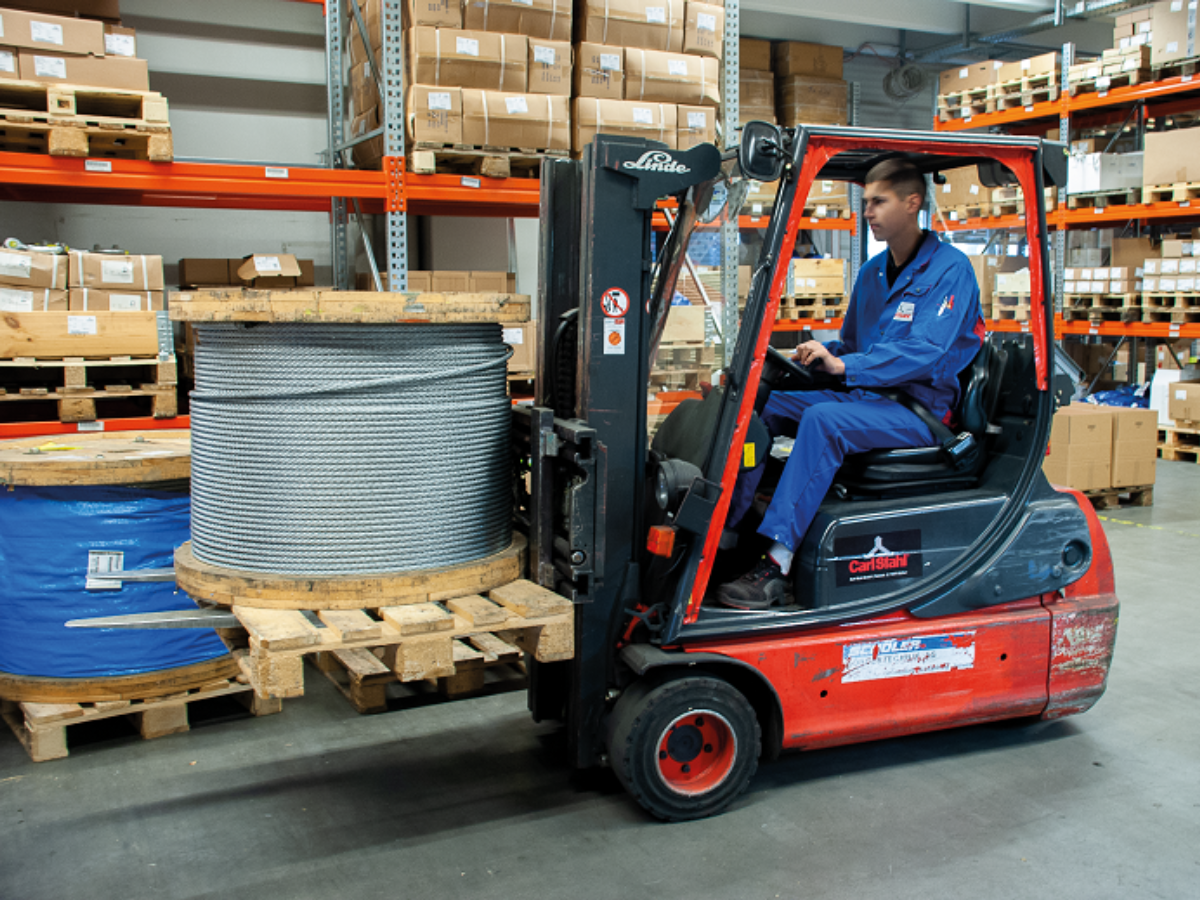
Under the instruction of experienced forklift experts, empower your forklift truck operators with an industry-recognised licence and up-to-date knowledge of currentstandards.
Our forklift truck training courses help increase competence and productivity, and reduce the number of accidents caused by human error.
On completion, candidates receive certification accredited byAITT (Association Industrial Truck Trainers).
We provide training on every kind of truck imaginable, so if your specific model of truck doesn't appear in our list of courses below, don't worry. Call a Carl Stahl expert on 01709763058 or email [email protected].
To book your training course, call 01709763058 or email [email protected].
[email protected]
Who Is This Fork Lift Training For?
Fork lift training courses are designed for operators, supervisors and anyone responsible for the safe use or management of fork lift trucks in industrial and commercial environments. This training is essential for new operators as well as experienced personnel requiring refresher training, helping ensure safe operation and compliance with UK workplace regulations. It is also highly relevant for duty holders responsible for ensuring that fork lift operators are competent and properly trained.
What The Courses Cover
This fork lift training course provides a comprehensive understanding of safe truck operation, load handling and operator responsibilities, ensuring delegates can operate equipment safely and efficiently within the workplace.
Introduction to fork lift truck types and classifications
Pre-use checks and routine inspections
Safe operating techniques and manoeuvring
Load handling, stacking and de-stacking procedures
Understanding load stability and centre of gravity
Operating in confined spaces and busy environments
Refuelling or battery charging procedures
Hazard awareness and accident prevention
Responsibilities of fork lift operators and supervisors
Compliance with UK regulations and best practice
Standards & Best Practice
Fork lift training is delivered in accordance with recognised industry standards and best practice, supporting compliance with UK legislation including the Health and Safety at Work Act, LOLER and PUWER. Courses are typically aligned with accrediting bodies such as AITT, ensuring operators receive high-quality, recognised training that supports safe working practices.
Course Delivery Options
Fork lift training courses can be delivered at our dedicated training centre in Rotherham or on-site at your premises. On-site delivery allows training to be tailored to your specific equipment, site layout and operational requirements, ensuring practical, relevant instruction that can be immediately applied in real-world working environments.
Fork-Lift Truck Operator Basic and/or Refresher Course FL01
Get started here. Our basic/refresher course is designed for novice forklift drivers with little or no experience. Read more
Target Group
No experience needed - this course is perfect for forklift beginners. We also offer a truncated three day version of the course for existing drivers without a valid certificate.Aim
The aim of this course is to bring candidates into line with codes of practice approved by the Health and Safety Commission and regulations covered by the Health and Safety at Work Act 1974, Sections 2 and 16.General Information
This course is accredited by the Association of Industrial Truck Trainers (AITT) and approved by HSE. It references HSE’s Safety in Working with Lift Trucks and Rider-operated Lift Trucks: Operator Training Approved Code of Practice.This course is either on-site at our Rotherham-based training facility or at your workplace - get in touch with a Carl Stahl expert to discuss the best option for your delegates.
Course Content
The course content varies according to the candidate requirements as follows:- 5 Day Basic Operator Counterbalance or Reach (Novice) for people with no experience
- 3 Day Basic Operator Counterbalance or Reach (Existing) for drivers with experience but no certificate of training
- 1 Day Refresher Training
- 1 Day Conversion Reach – Counterbalance
- 2 Day Conversion Counterbalance – Reach
- Days: 1, 3 or 5
- Ratio: 3:1
[email protected]
Fork-Lift Truck Instructor Development Course FL02
Want to become an on-site forklift instructor? This course is for you. Read more
Target Group
Delegates need to hold a valid forklift certificate for this course.They must have:
- undergone a test by an accredited instructor within 12 months prior to the course
- the ability to adapt their approach to suit the needs of different trainees
- good communication skillsand the ability to lead a group of trainees
Aim
This course will cover:- Instructional skills, including classroom techniques
- Techniques for structuring training material into logical sequence
- A critical approach towards the effectiveness of instruction presented
- Assessment and testing
Objectives
On successful completion of training, delegates will be able to:- prepare, plan and present practical and theoretical instruction to a recognised standard on their site
- conduct and mark objectively practical tests
- complete the appropriate documentation
Course Elements
- Health and Safety at Work: – Health & Safety at Work Act 1974, Sections 2, 7 & 8, Work Equipment Regulations – Regulation 9, Training, Management Health & Safety at Work Regulations ‘Employees duties’, Specific Legislation and Regulations, Approved Codes of Practice, Enforcement of Health & Safety
- Recommendations of Training: Selection of operators: Age, medical condition and level of intelligence, previous experience, Training of operators: Types of courses, Basic Training, Specific Training, Familiarisation Training, Conversion Training, Refresher Courses
- Instructional Techniques: The role of the instructor, Learning (Incentives and Methods), Principles of Instruction, Simple job analysis, Preparation of lesson plans, Hints on speaking
- Operators Ability: Undertake and pass an operators test, Carry out a pre-use checks, & pass a theoretical test
- Classroom Lesson: Preparation, Instruction in logical sequence, Introduction/Link, Revision, Aim/Objective, Reason why, Incentive, Stages, Use of aids (white boards, models, Overhead projectors etc), The use of questions and answers, Confirmation, Summery, Look forward
- Practical Demonstration: by each Delegate related to practical lift truck operation with constructive comments
- Practical Lesson: A practical lesson by each Delegate on a subject related to lift truck operations
- Basic Skills Test: Delegates construct a test area and conduct & mark a basic skills test to AITT standards, Complete relevant paperwork
- Report, Certification and Training Records:, Report Content, Certificate of basic training, Employers Authorisation, Company training records, Further Training needs
Course duration achievement measurement
Assessment is conducted throughout the 5-day course. Failure to achieve an acceptable standard on any element listed above will require further training. Registration is only applied for when all nine elements have been passed. We recommend refresher training every three-five years.Days
: 5Ratio
: 6:1[email protected]
Fork-Lift Truck Instructor Course FL03
Would you like to teach forklift truck delegates nationally? This one is for you. Read more
Target Group
Trainees need a valid certificate of training on a forklift truck. They must have undergone a test (or retest) by an accredited instructor within 6 months prior to the course.Aim
The aim of this 10-day course is to train potential forklift instructors to the standards of a recognised accrediting body.Objectives
On successful completion of training, instructors will be able to prepare, plan and present practical and theoretical instruction to an approved standard. They will be able to conduct and mark practical assessments and complete the appropriate documentation.Course Content
- Initialpractical training and testing
- Undertake and pass an operators test
- Carry out a pre-use checks
- Pass a theoretical test
- Safety and accident prevention
- Health & Safety at Work Act 1974, sections 2, 7 & 8
- Work Equipment Regulations – Regulation 9
- Training and management
- Principles of fork lift trucks
- Truck familiarisation
- Selection of operators:
- Age
- Medical condition
- Level of intelligence
- Previous experience
- Training of operators:
- Typeof course
- Basic training
- Specific training
- Familiarisation training
- Conversion training
- Refresher courses
- Instructor’s role
- Principles of instruction
- Instructional techniques
- Learning (incentives and methods)
- Simple job analysis
- Preparation of lesson plans
- Hints on speaking
Training exercises
- Classroom lesson
- Preparation
- Instruction in logical sequence
- Introduction/link
- Revision
- Aim/objective
- Reason why
- Incentive
- Stages
- Use of aids (white boards, models, overhead projectors etc)
- The use of questions and answers
- Confirmation
- Summery
- Look forward
- Practical demonstrationby each delegate related to practical lift truck operation with constructive comments
- Practical lesson by each delegate on a subject related to lift truck operations
- Operator competence testing and practical assessments: Delegates construct a test area and conduct and mark a basic skills test to an approved standard withrelevant paperwork.
Course Duration and Achievement Measurement
On successful completion of this 10 day course, the instructor will be qualified to train fork lift truck operators, organise and administer operator competence tests and issue certificates. Registration is for a 5 year period.Days
: 10Ratio
: 6:1[email protected]
Sideloaders Course FL04
Need to operate a sideloader? This course will get you started. Read more
Target Group
If you use or need to operate a sideloader, this course is for you.Aim
The aim of this course is to bring candidates in line with Codes of Practice approved by the Health and Safety Commission and regulations covered by the Health and Safety at Work Act 1974, Sections 2 and 16.Objectives
Upon successful completion of the course, delegates will be able to:- Demonstrate a sufficient understanding of a sideloader's safe working practices
- Demonstrate driving skills by completing driving and theoretical tests
Course Content
The course content and duration varies depending on candidates' requirements:- 5 day Basic Operator for people with no experience
- 3 day Basic Operator (existing) for drivers with experience but no training certificate
- 1 day Refresher Training, at regular intervals as recommended by the Health and Safety Executive
Achievement Measured
A Certificate of Training is issued to candidates who successfully complete a theoretical and practical test.General Information
All courses are Association of Industrial Truck Trainers (AITT) accredited, approved by HSE standards. References to HSE’s Safety in Working with Lift Trucks and Rider-operated Lift Trucks: Operator Training Approved Code of Practice.Course capacity is three delegates and we can either host the training at our training facility or we can come to your workplace.
Days
: 1, 3 or 5Ratio
: 3:1[email protected]
Mobile Elevated Work Platforms Course FL06
If you operate or need to operate a MEWP, this course is for you. Read more
Target Group
This course can be tailored to suit either novice or experienced delegates.Aim
To ensure operators can safely use mobile elevated work platforms.Objectives
On completion of the course participants will be able to:- Outline their responsibilities under the Health and Safety at Work Act 1974
- Identify other regulationswhich apply to the MEWP
- Identify the cause of accidents and methods of prevention
- Carry out pre-use checks on the equipment
- Operate the MEWP in line with accepted standards of safe working practice
Course Content
Session 1- Introductions
- Accident prevention
- Health and Safety at Work Act 1974
- Provision and Use of Work Equipment Regulations 1998
- Lifting Operations Lifting Equipment Regulations 1998
- Company safety code
- Engineering principles:
- The importance of pre use inspection
- Identification of parts to be inspected
- What to look for
- What action to take in the event of defects being found
- Routine daily service checks
- Emergency lowering systems
- Site safety assessment placing and operating the machine
- Written test
- Operating skills practical assessment
- Feedback
Achievement Measurement
This course includes theoretical and practical assessments leading to certification on successful completion.Days
: 1-2Ratio
: 4:1Contact us.
Confined Space Training Courses
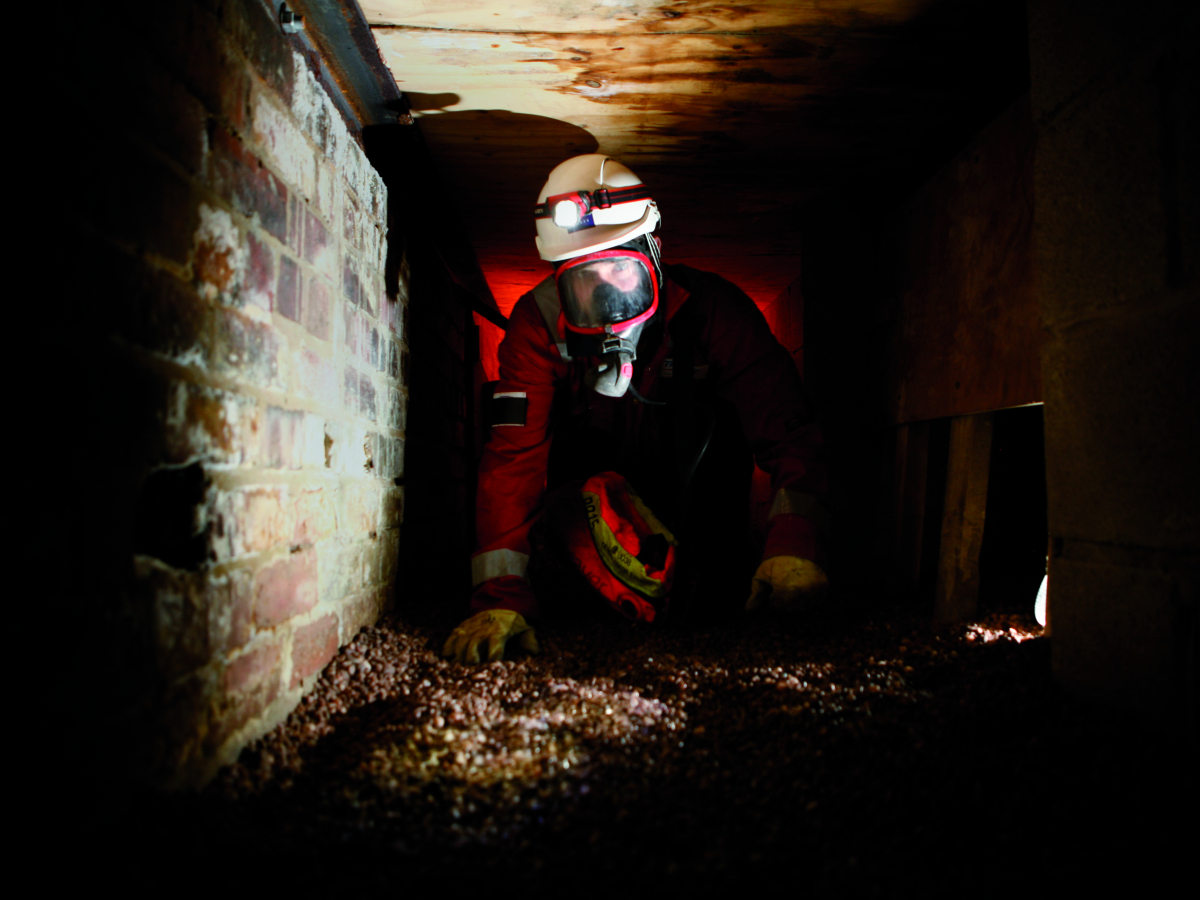
Do you work in sumps, pits, pipes, tanks, silos, or tunnels at your job?
Employees who may enter confined spaces with potential hazards are required to receive confined space safety training.
Choose the appropriate courses from the list below or write us directly:
[email protected]
Who Is This Confined Space Training For?
Confined space training courses are designed for workers, supervisors and managers involved in activities carried out within confined or restricted spaces. This includes engineers, maintenance personnel, utilities workers and contractors operating in industrial and commercial environments. The training is essential for anyone responsible for entering, supervising or managing work in confined spaces, ensuring they understand the risks, control measures and legal responsibilities under UK regulations.
What The Courses Cover
This confined space training course provides a comprehensive understanding of the hazards associated with confined spaces, safe entry procedures and emergency response requirements, ensuring delegates can work safely and in compliance with current legislation.
Understanding what constitutes a confined space
Hazards associated with confined spaces, including gases and restricted access
Risk assessment and safe systems of work
Use of gas detection equipment and monitoring procedures
Ventilation and control measures
Permit-to-work systems and entry procedures
Use of personal protective equipment (PPE) and respiratory protective equipment (RPE)
Emergency procedures and rescue planning
Roles and responsibilities of entrants, attendants and supervisors
Compliance with UK confined space regulations and best practice
Standards & Best Practice
Confined space training is delivered in line with recognised industry standards and best practice, supporting compliance with UK legislation including the Confined Spaces Regulations. Course content ensures delegates understand their responsibilities, identify potential hazards and implement appropriate control measures to reduce risk when working in confined spaces.
Course Delivery Options
Confined space training courses can be delivered at our dedicated training centre in Rotherham or on-site at your premises. On-site delivery allows training to be tailored to your specific working environment, equipment and operational risks, ensuring practical, relevant instruction that can be immediately applied in real-world confined space scenarios.
Water UK City & Guilds Course 6150-02
Obtain the skills and knowledge required to carryout safe working within the Water UK categories Low, Medium risk confined spaces including using compressed air escape breathing apparatus as a planned means of self rescue. Read more
Target Group
This course is designed for all people nominated to work or supervise within the Water UK categorisation low and medium risk confined spaces.Aim
On completion of this course the candidate will be able to work within the Water UK categories low and medium risk confined spaces including using compressed air escape breathing apparatus as a planned means of self rescue.Course Content
A review of the requirements of the confined space regulations 1997 which leads to an understanding of how to:- Interpret the Water UK confined space classification scheme
- Write and understand risk assessments
- Write and understand permit systems
- Recognise changing environments
- Use and interpret gas monitors to verify safe atmospheres
- Understand the properties of gases and the occurence of bad atmospheres
- Correct fitting and how to check ancillary safety equipment – harness, winches etc.
- How to build, don and doff escape breathing apparatus
- Personal Protective Equipment
- Work within a safe system of work
- React positively in an emergency situation
Certification
Delegates who complete this course will receive a City & Guilds of London institute certificated competency based on training and assessment.(City & Guilds Utilities Operations Scheme 6150 unit 02).
Days
: 2[email protected]
Water UK City & Guilds Course 6150-03
Obtain the skills and knowledge required to carryout safe working within the Water UK categories High risk confined spaces including using compressed air self contained breathing apparatus as a planned means of entry and self rescue. Read more
Target Group
This course is designed for all people who have already completed the 6150-02 and have been nominated to work or supervise within the Water UK categorisation High risk confined spaces.Aim
On completion of this course the candidate will have the knowledge and skills required to carryout safe working within the Water UK categories of High risk confined spaces including using compressed air self contained breathing apparatus as a planned means of entry and self rescue.Course Content
A review of the requirements of the confined space regulations 1997 which leads to an understanding of how to:- Interpret the Water UK confined space classification scheme
- Write and understand risk assessments for high risk confined space entry
- Recognise changing environments
- Use and interpret gas monitors to verify safe atmospheres
- Understand the properties of gases and the occurance of bad atmospheres
- Correct fitting and how to check ancillary safety equipment – harness, winches etc
- How to build, don and doff self contained breathing apparatus
- Personal Protective Equipment
- Work within a safe system of work
- React positively in an emergency situation
Certification
Delegates who complete this course will receive a City and Guilds of London institute certificated competency based on training and assessment (City & Guilds Utilities Operation Scheme 6150 unit 03)Duration
: 1 day including assessment.[email protected]
Water UK City & Guilds Course 6150-05
Obtain the skills and knowledge required to carryout safe rescue procedures within the Water UK categories Low, Medium and High risk confined spaces including using compressed air self contained breathing apparatus as a planned means of assisted rescue. Read more
Target Group
This course is designed for all people who have already completed the 6150-02 and the 6150-03 and have been nominated to be part of a planned rescue team within the Water UK categorisation low, medium and high risk confined spacesAim
On completion of this course the candidate will have obtained the skills and knowledge required to carryout safe rescue procedures within the Water UK categories Low, Medium and High risk confined spaces including using compressed air self contained breathing apparatus as a planned means of assisted rescue.Course Content
A review of the requirements of the confined space regulations 1997 which leads to an understanding of how to:- Interpret the Water UK confined space classification scheme
- Write and understand risk assessments for safe entry and retrieval of casualties from a confined space
- Recognise changing environments
- Use and interpret gas monitors to to verify safe atmospheres
- Correct fitting and how to check ancillary safety equipment – harness, winches etc.
- How to build don and doff self contained breathin apparatus
- Personal Protective Equipment
- Work within a safe system of work
- React positively as a team in a potentially dangerous situation
Certification
Delegates who complete this course will receive a City and Guilds of London institute certificated competency based on training and assessment (City & Guilds Utilities Operation Scheme 6150 unit 05)Duration
: 1 day including assessment.[email protected]
CS1 Confined Space Entry Including Escape Sets Course
On completion of the course candidates will have obtained the skills and knowledge required to carryout safe working within confined spaces including using compressed air escape breathing apparatus as a planned means of self rescue. Read more
Aim
On completion of the course candidates will have obtained the skills and knowledge required to carryout safe working within confined spaces including using compressed air escape breathing apparatus as a planned means of self rescueCourse Content
A review of the requirements of the confined space regulations 1997 which leads to an understanding of how to:- Enter and exit confined spaces safely
- Understand risk assesment
- Understand Permit Systems
- Recognise changing environments
- Use and interprt gas monitors to verify safe atmospheres
- Understand the properties of gases and the occurances of bad atmospheres
- Correct fitting and how to check ancillary safety equipment – harness, winches etc.
- How to build, don and doff escape breathing apparatus
- Personal Protective Equipment
- Work within a safe system of work
- React positively in an emergency situation
Certification
Delegates who complete this course will receive a certificate and a photo id card.Duration
: 1 day including full entry into a confined space.[email protected]
Frequently asked questions.
1. What training courses does Carl Stahl offer?
Carl Stahl provides a range of specialist courses including wire rope training, lifting operations training, crane safety, height safety, Forklift truck training, Health and Safety which includes Abrasive Wheel and Manual Handling, Safe use of PPE and equipment inspection courses.
2. Are the training courses accredited?
Many courses follow industry best practice and align with recognised standards such as LEEA and AITT. Please contact us for accreditation details for specific courses.
3. Who are the training courses suitable for?
Our courses are designed for lifting professionals, site managers, safety officers, riggers, crane operators, and anyone responsible for lifting equipment use or inspection.
4. Do you offer on-site training at customer locations?
Yes, we can deliver training on your premises or at a preferred location, provided the required equipment and facilities are available.
5. How long does each training course take?
Course duration varies depending on the topic and depth of training. Most sessions range from half-day introductions to full-day practical courses. Our course outline includes the length of the course.
6. Will participants receive a certificate?
Yes, attendees receive a certificate of completion, which can support competence records and workplace compliance requirements.
7. Do you provide practical, hands-on training?
Most of our courses include both theoretical and practical elements to ensure learners gain real-world experience and understanding.
8. How much do the training courses cost?
Prices vary depending on course type, location, and group size. Contact our team for an accurate quotation.
9. Do you offer group bookings or corporate training packages?
Yes, we provide tailored group sessions and corporate packages for businesses looking to train multiple team members.
10. What equipment do participants need to bring?
We supply the required training materials. For practical courses, attendees should bring appropriate PPE such as safety boots, gloves, and helmets.
11. Do you offer refresher training?
Yes, refresher courses are available to help maintain competence and keep skills up to date with the latest safety standards.
12. How do I book a training course?
You can contact our training team directly through email or by phone to schedule your preferred course and date.
Contact: [email protected] - 01709 763050