

How Are Motors Handled During Manufacturing?
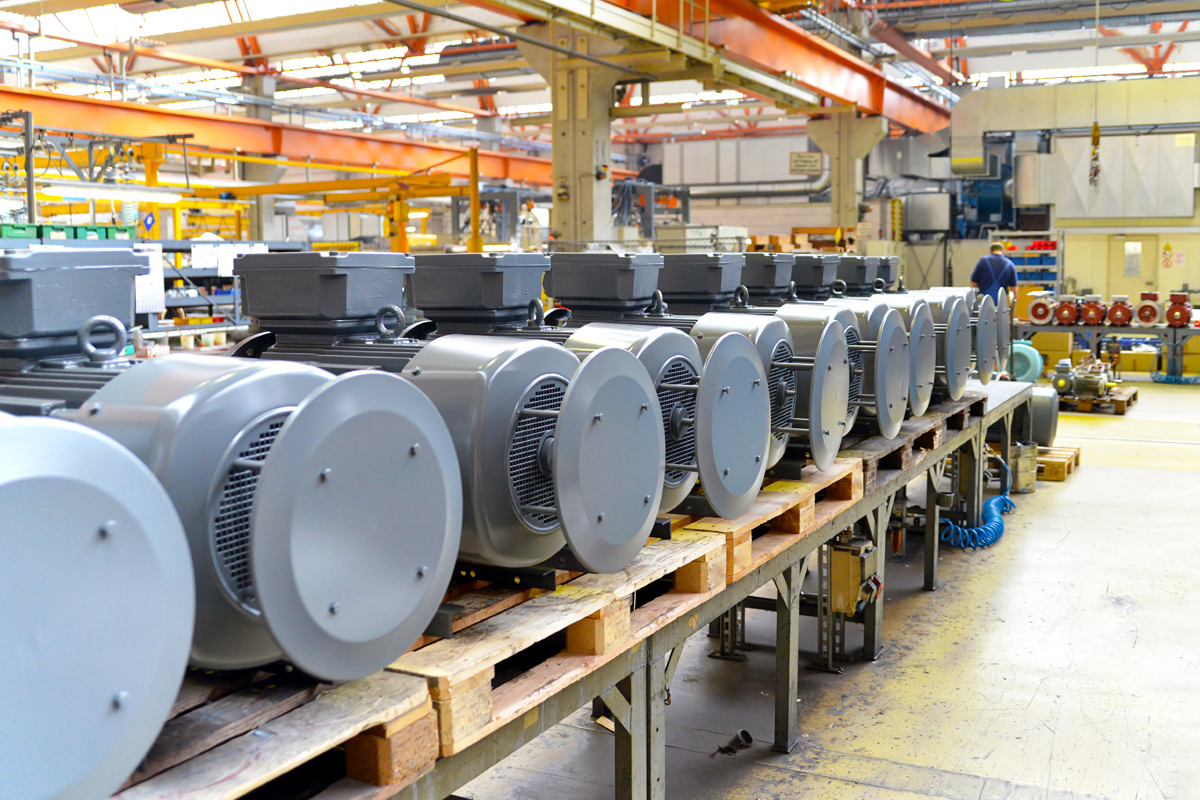
Motors vary widely in shape, size, weight, and design, making safe handling a consistent challenge during manufacturing.
Many manufacturers incorporate threaded holes into the motor at the design stage. These allow for the use of screw-in lifting points or eyebolts during handling. Alternatively, some motors are fitted with permanently welded lifting points, which remain in place throughout their service life.
A less common but increasingly effective approach is the use of plug-in lifting points.
When using screw-in lifting points or eyebolts, each attachment must be manually installed into the threaded holes and checked for correct seating and security. Depending on the number of lifting points required, this process can be time-consuming. If the lifting points are not intended to remain on the motor, they must also be removed after handling, adding further time to the process.
Depending on the application, different types of lifting points may be suitable. Guidance on selecting the correct lifting point can be found here.
The correct selection of anchor pointsPlug-In Lifting Points for Motor Handling
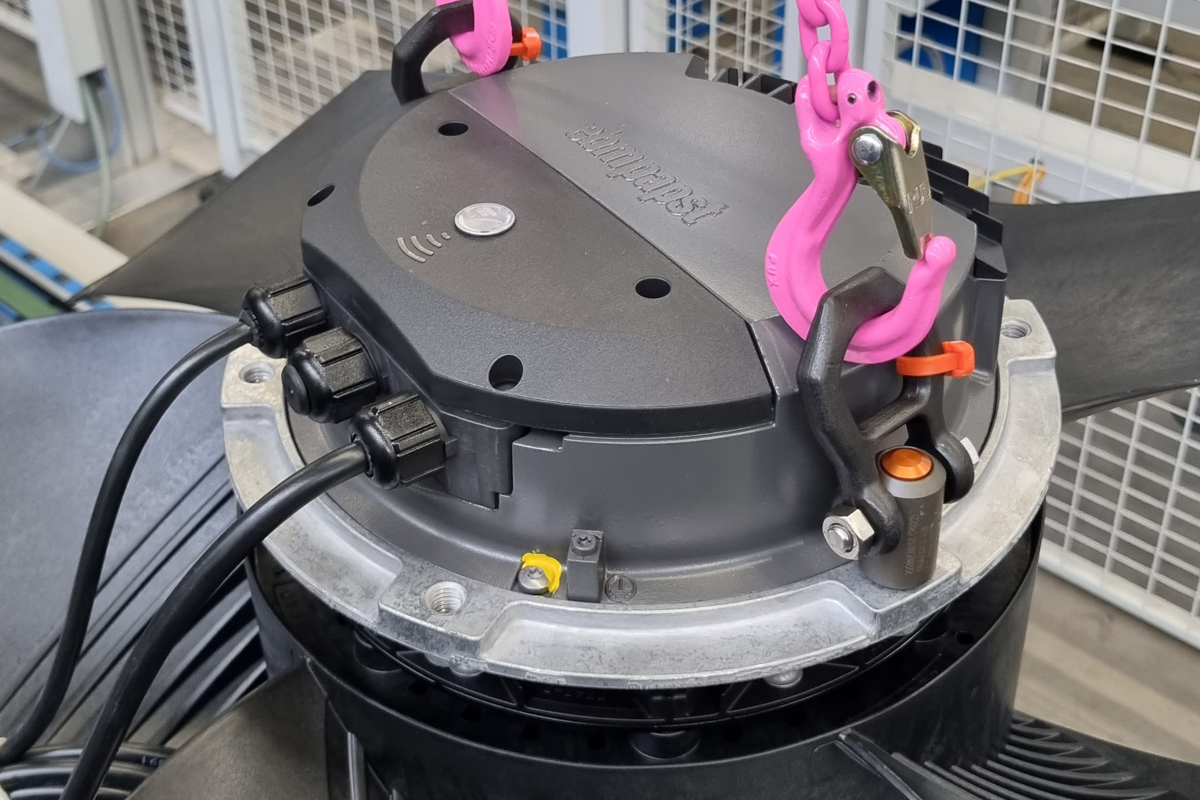
The main advantage of plug-in lifting points is their speed and ease of use. Unlike conventional screw-in lifting points, they are inserted directly into the threaded hole using a lifting pin, eliminating the need for time-consuming installation.
In practice, this significantly reduces handling time, particularly where lifting points need to be fitted and removed repeatedly.
The design incorporates a built-in safety mechanism to prevent unintentional release from the load, ensuring secure lifting during operation.
However, it is important to note that ball lock lifting pins are not suitable for applications involving continuous rotation of the load. In addition, contamination such as dirt or debris can impair their function, so regular inspection and maintenance are essential.
Benefits of Plug-In Lifting Points from Erwin Halder
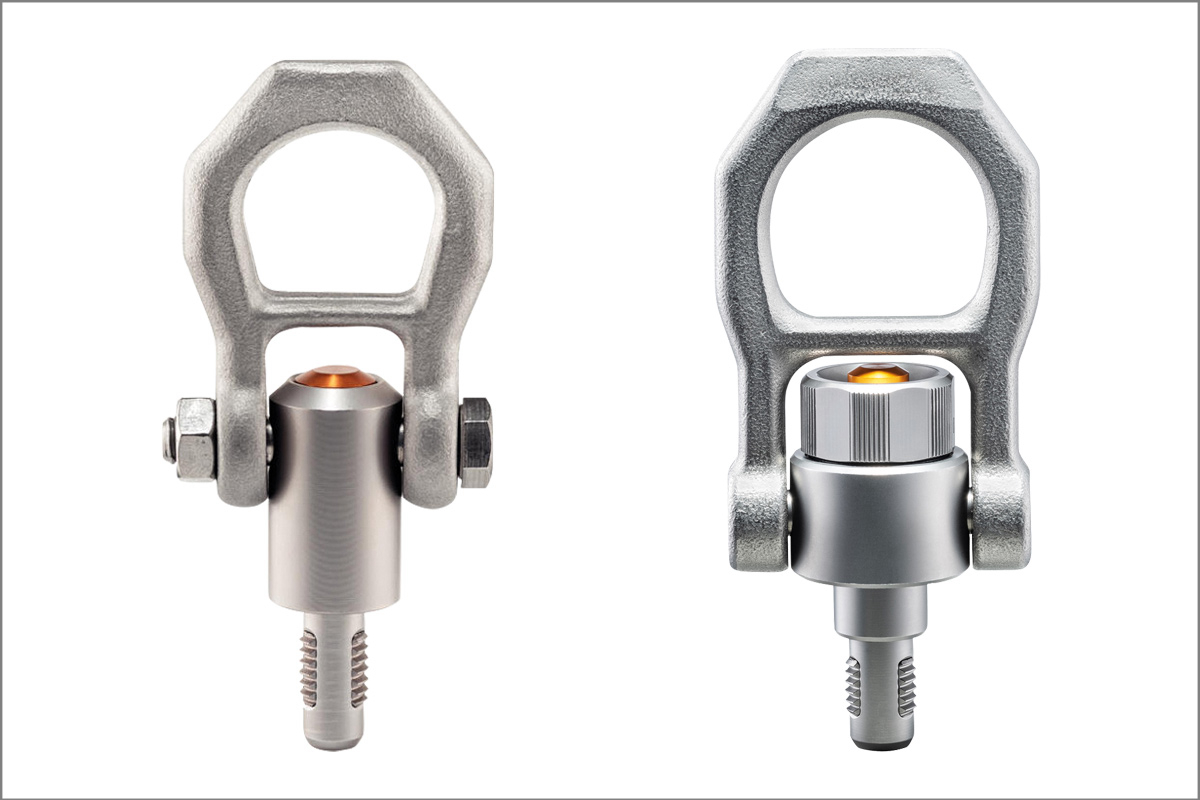
- Existing threads can be used
- Self-locking design prevents unintentional release under load
- Significant time savings with no need for screwing or unscrewing
- Protects load surfaces, including painted or finished components
- Ideal for lifting shafts with centring holes
Buy Plug-In Lifting Points for Industrial Applications
Application Examples for Plug-In Lifting Points from Erwin Halder
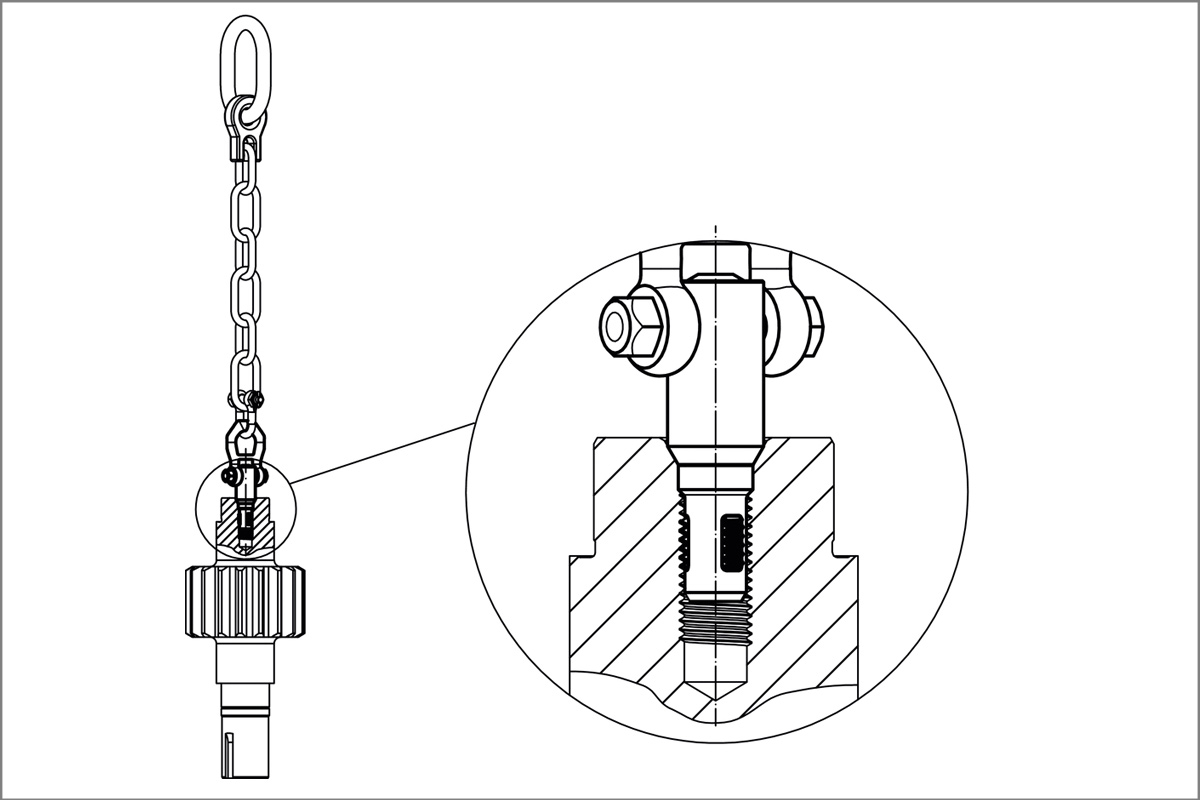
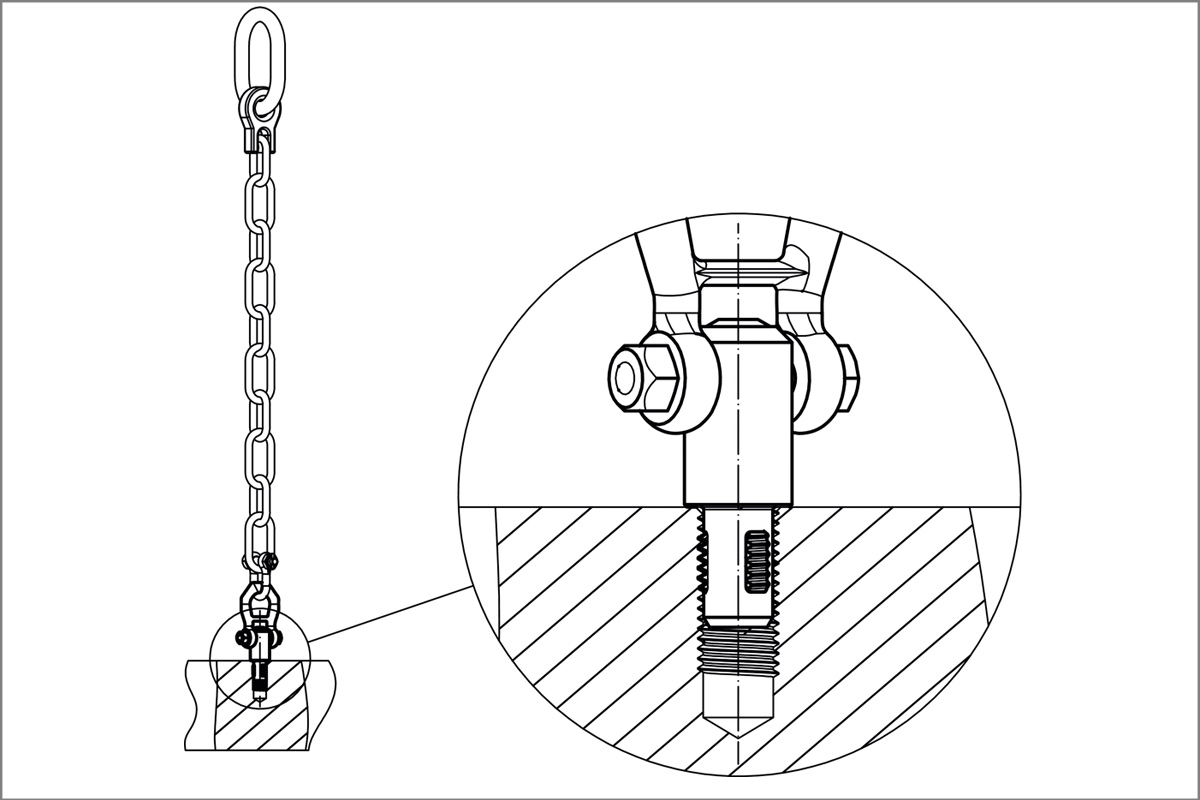
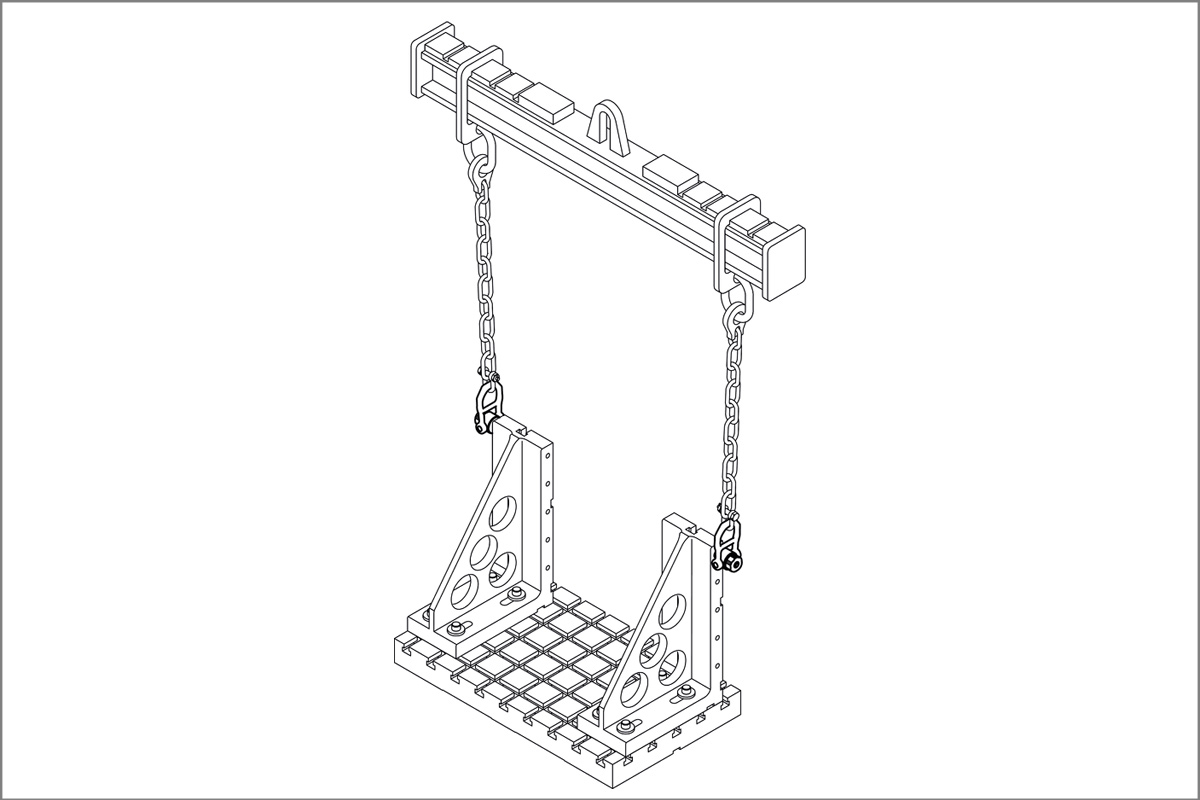
Threaded studs Erwin Halder - Product presentation
Threaded Lifting Pins | Erwin Halder Lifting Solutions UK
Buy pluggable anchor points
FAQ: Handling Motors with Plug-In Lifting Points
Are plug-in lifting points available for all load capacities?
No. Plug-in lifting points are currently available for load capacities typically ranging from 0.4 to 3 tonnes, depending on the specific model and configuration.
How do plug-in lifting points compare in price to eyebolts or screw-in lifting points?
Plug-in lifting points are generally more expensive than traditional eyebolts or screw-in lifting points. However, the additional cost is often offset by significant time savings during installation and removal, particularly in repetitive handling operations.
Are plug-in lifting points from Erwin Halder approved for lifting people?
No. Plug-in lifting points are designed solely for lifting and securing loads. They are not approved for lifting personnel.
For applications involving personal fall protection, dedicated anchorage systems certified for use with PPE must be used.