

What is a specification sheet?
A specification sheet in construction is a detailed document that outlines the materials, equipment, systems, and methods required for a project.
It provides clear guidance for contractors, engineers, architects, and other stakeholders, ensuring that work is carried out in line with the required design, performance, and quality standards.
Specification sheets act as a technical reference point throughout a project, supporting consistency, compliance, and accuracy. They work alongside drawings and plans to define exactly how a project should be delivered.
Technical Challenges in Engine Handling Operations
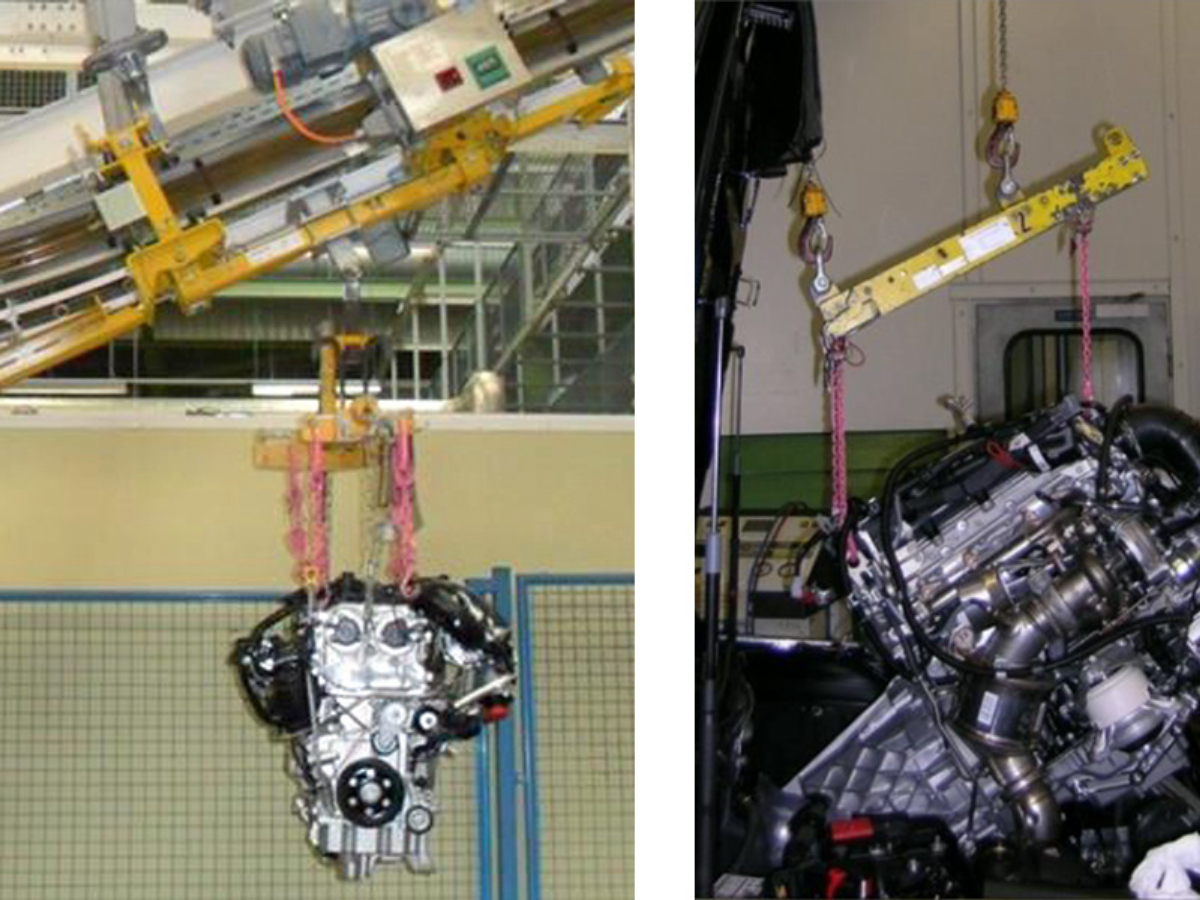
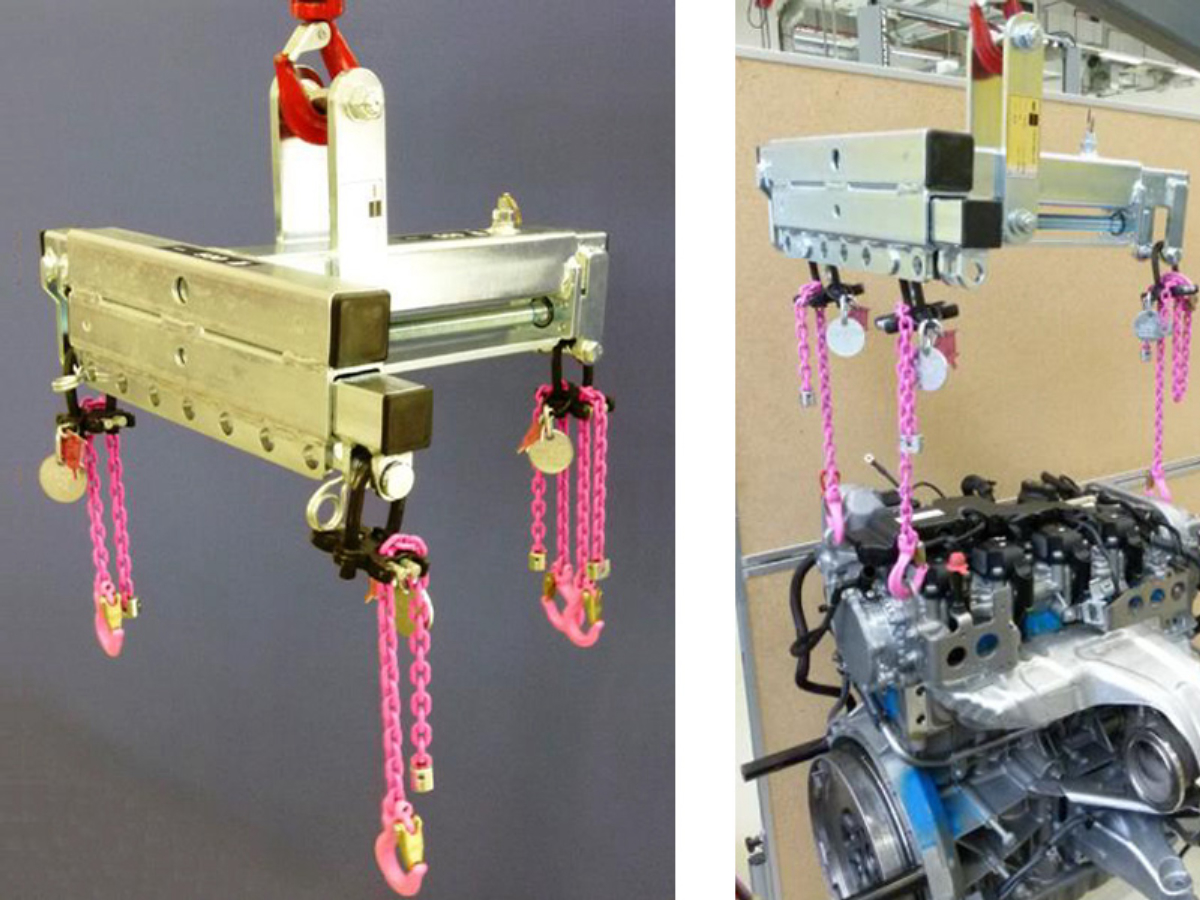
No two engine models are identical. Each has its own dimensions, centre of gravity, shape, and weight, all of which must be carefully considered during lifting and handling. To ensure safe transport, the engine must remain stable and level at all times.
Standard lifting equipment is often not flexible enough to accommodate these variations. As a result, bespoke handling solutions are frequently required to ensure both safety and efficiency.
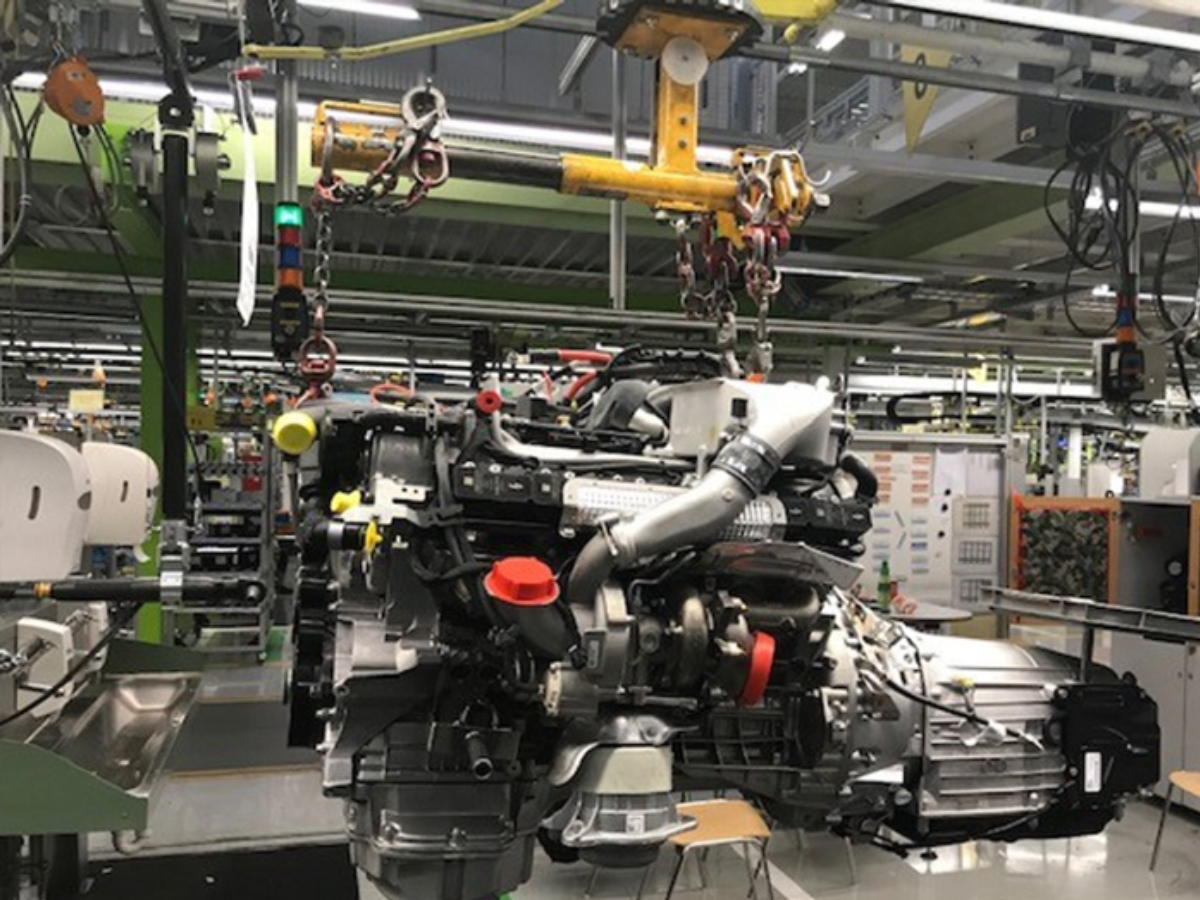
Mercedes-AMG GmbH encountered this challenge when developing a handling solution for the M279 engine. With the complexity of the requirements, they worked alongside Carl Stahl specialists to design a suitable bespoke system.
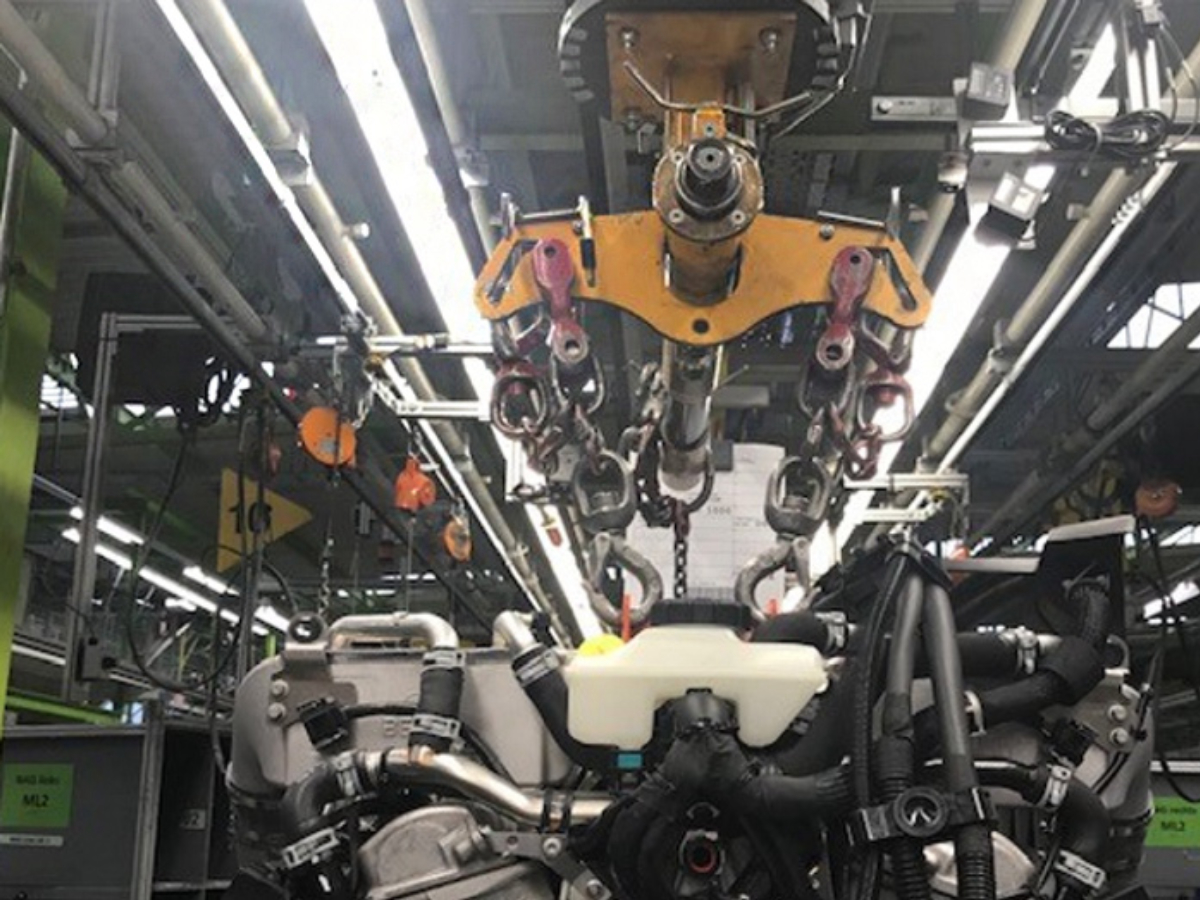
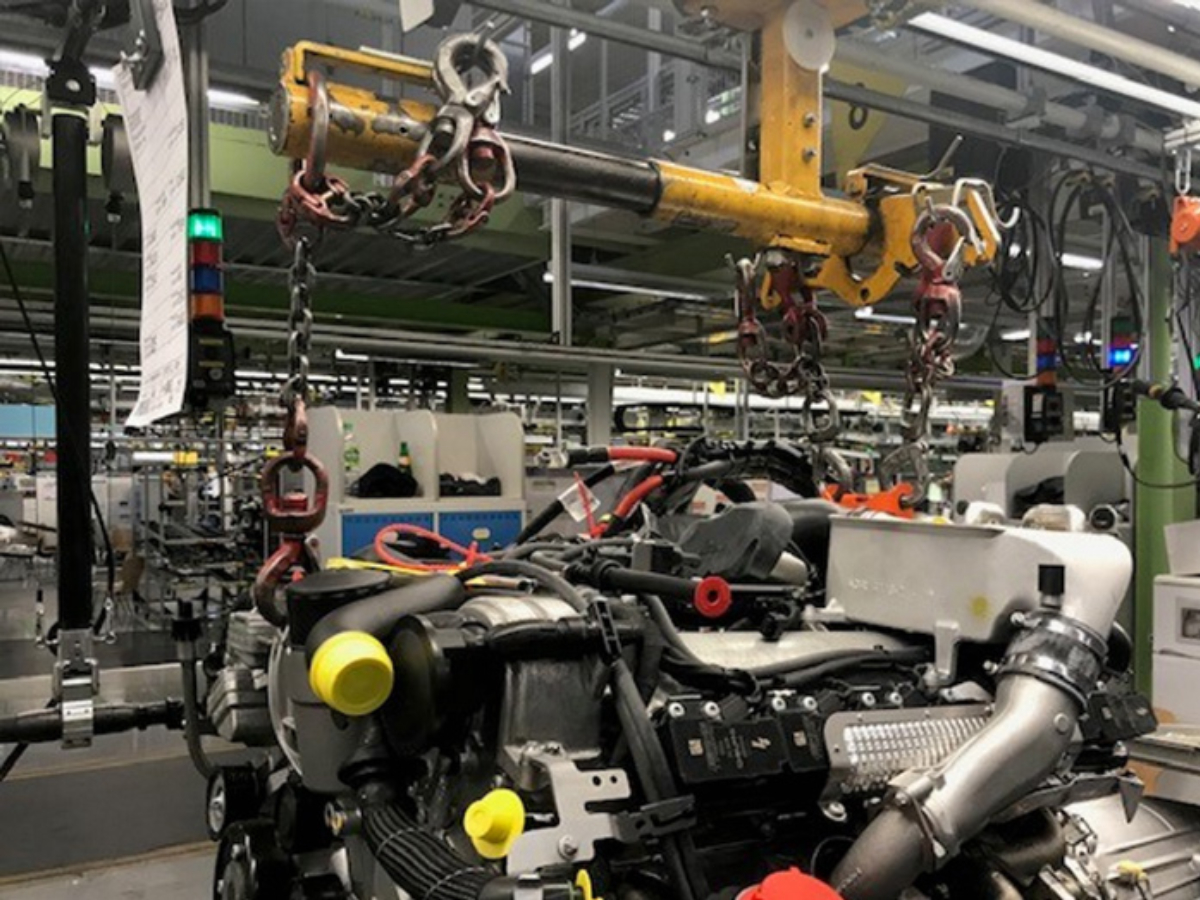
A typical approach to engine handling involves the use of multiple lifting points. This includes an upper suspension eye mounted on the engine, along with an additional lifting point on the control cover. These connection points allow the engine to be securely attached using a lifting beam and chain slings, ensuring balanced and controlled handling.
The solution
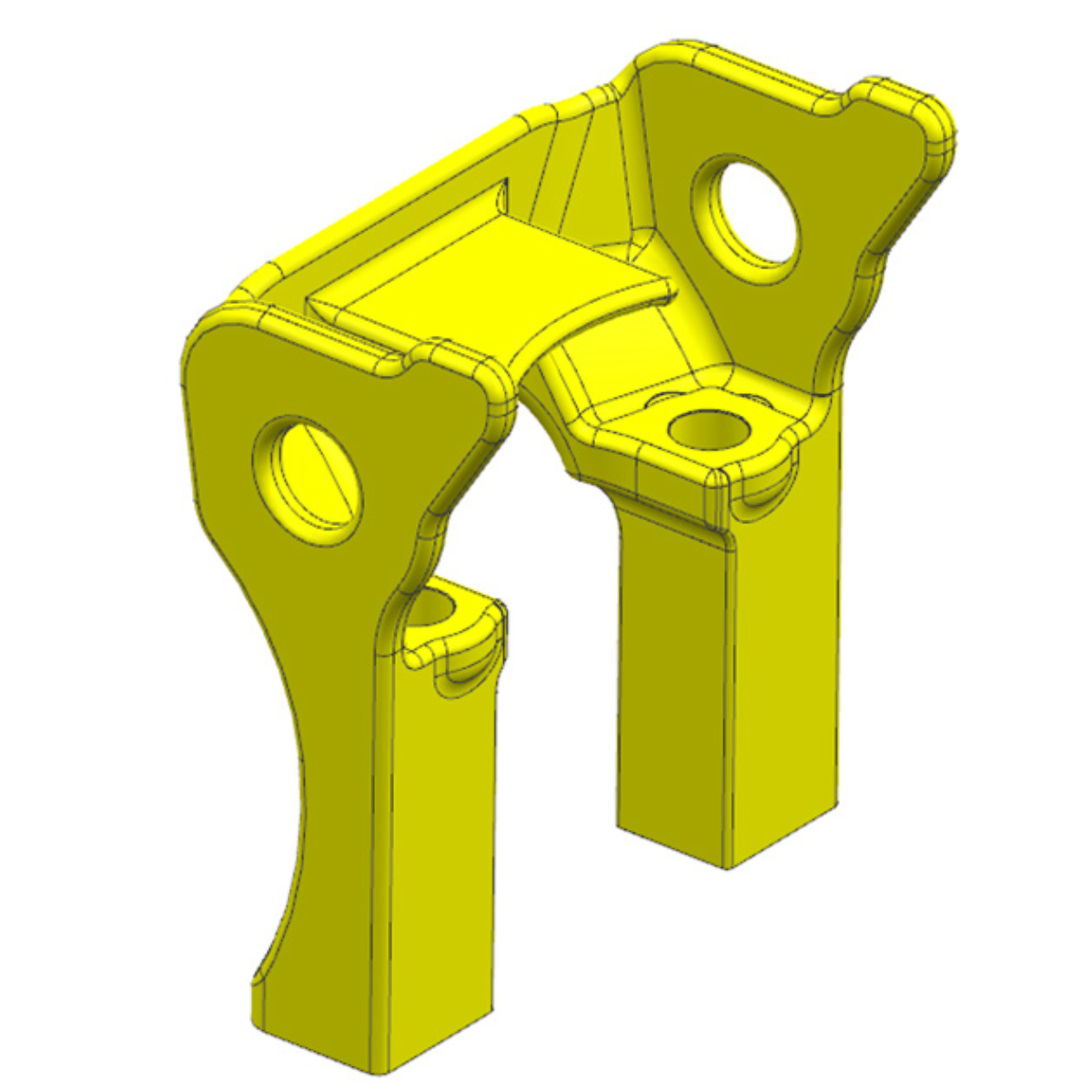
Following initial discussions, Mercedes engaged a Carl Stahl specialist to provide technical guidance. It was determined that the suspension eye should be designed either as a dedicated lifting attachment or as a certified load attachment point.
Carl Stahl was subsequently commissioned by Mercedes-AMG GmbH to develop a comprehensive specification sheet for the solution.
This involved defining the applicable requirements of the Machinery Directive, with a particular focus on the design and performance criteria for the lifting attachment. In addition, requirements for the manufacturer and legally compliant documentation were established. Carl Stahl also developed a prototype concept to support the specification.
Together, this formed the basis of a detailed specification sheet, which was later used as supporting documentation within the tender process.
The final suspension eye was manufactured with a durable powder-coated finish in RAL 1023 (traffic yellow) and permanently marked with its internal reference number and CE marking, ensuring full traceability and compliance.
Get in contact for your solution
FAQ: Creating a load specification for a motor suspension eyelet
What are the advantages of having a specification drawn up by an external specialist company?
A third party specialist takes legal responsibility for the accuracy and compliance of the content of the specification, providing the client with reassurance.
What alternatives are available for engine-handling?
For assymmetrical loads with an off-centre centre of gravity, our tilt stand is suitable for keeping the load level during the lifting process.