

What is a chain block?
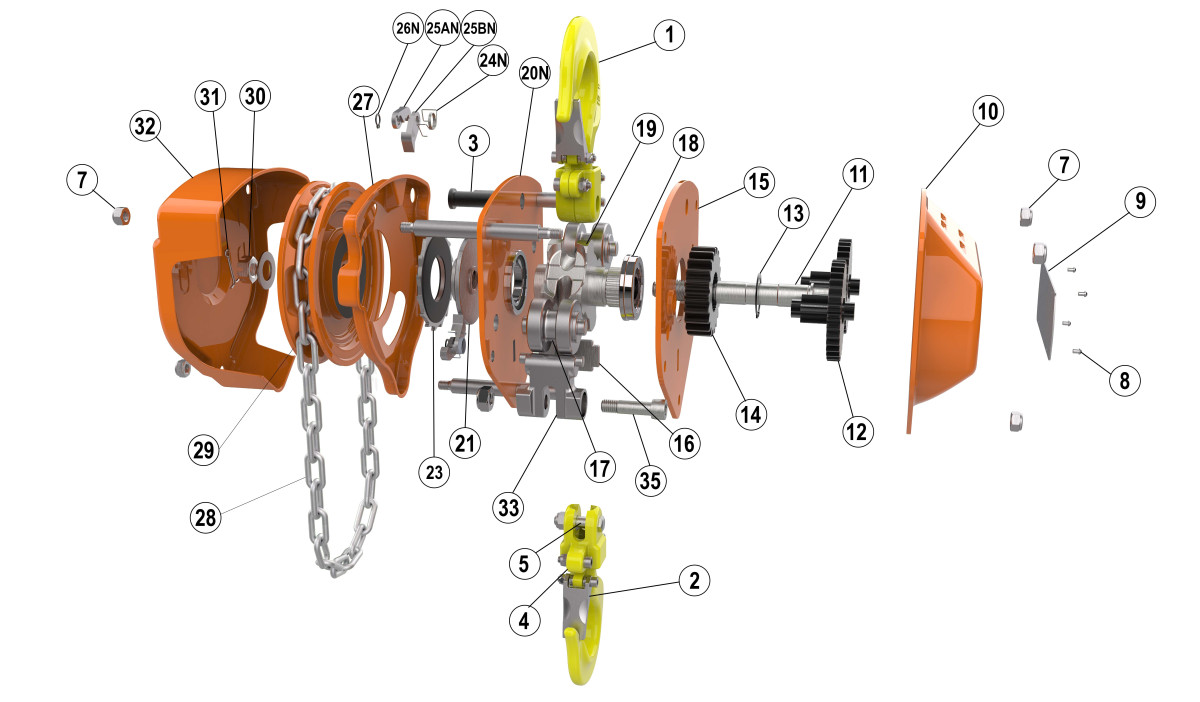
A chain block, also known as a manual chain hoist, is a mechanical lifting device used to raise, lower and position loads without the need for electrical or pneumatic power.
Designed for durability and ease of use, chain blocks utilise a hand-operated chain mechanism to lift loads in a controlled and safe manner. This makes them an ideal solution for environments where powered lifting equipment is not available or practical.
Chain blocks form part of a wider range of lifting equipment, including chain hoists, slings, lifting points and cablegrips, all available in our Webshop.
When are chain blocks used?
Chain blocks are widely used in situations where access to power is limited or unavailable. This includes remote construction sites, maintenance operations, confined spaces and temporary lifting setups.
They provide a reliable and flexible lifting solution across industries such as construction, manufacturing, engineering and facilities maintenance.
Where are chain blocks most effective?
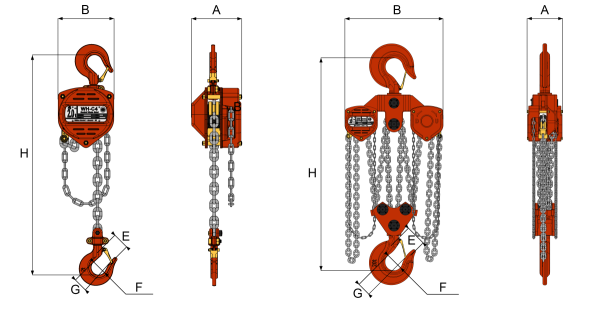
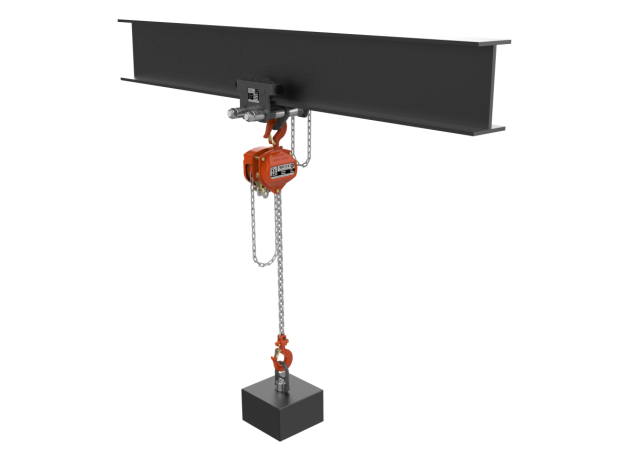
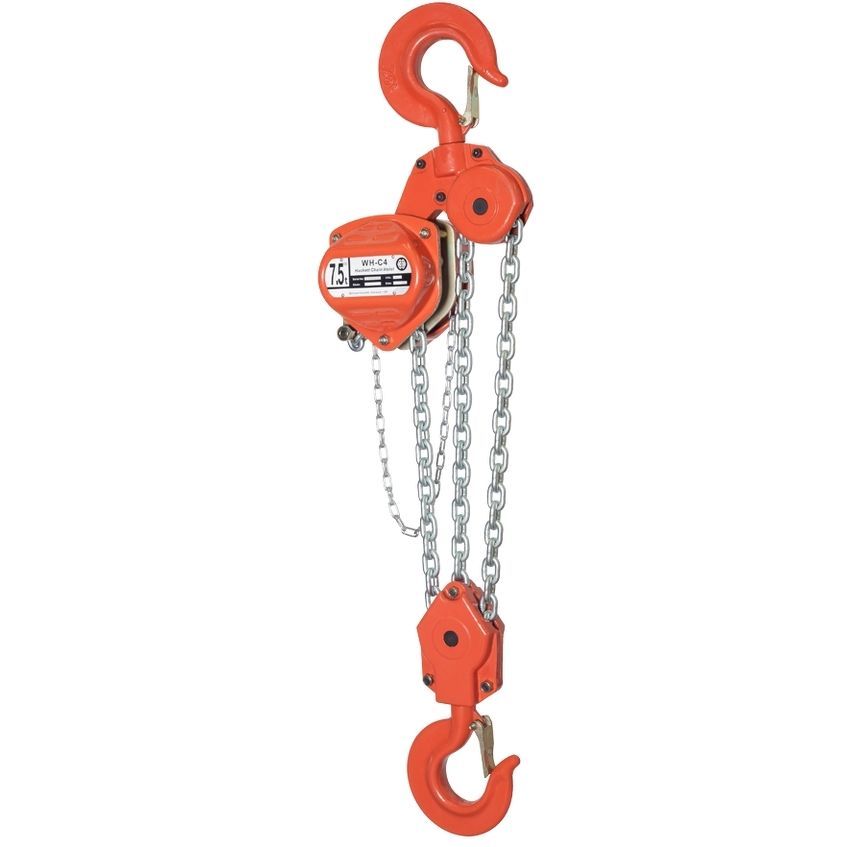
Chain blocks are particularly effective in environments where flexibility and portability are essential.
Common applications include:
- Remote or undeveloped construction sites
- Maintenance and repair operations
- Temporary lifting during fabrication or installation
- Confined or restricted access areas
- Supporting loads during inspection activities
What are the safety requirements for chain blocks?
Safe operation and load control
Chain blocks must always be used within their specified working load limit (WLL) and in accordance with manufacturer guidelines. Operators should ensure the load is stable, correctly attached and lifted in a controlled manner.
Regular inspection and compliance
Chain blocks must be regularly inspected by a competent person in accordance with the Lifting Operations and Lifting Equipment Regulations 1998 (LOLER) and the Provision and Use of Work Equipment Regulations 1998 (PUWER).
Who is responsible for safe lifting operations?
Safe lifting operations typically involve trained personnel, including operators and slinger signallers. Responsibility lies with those planning and executing the lift to ensure equipment is used correctly and loads are handled safely.
What load can a chain block lift?
The lifting capacity of a chain block depends on its rated working load limit. Loads must always be clearly identified and must not exceed the capacity of the equipment.
Factors such as load distribution, lifting angle and environmental conditions should also be considered when determining safe lifting limits.
How do chain blocks ensure controlled lifting?
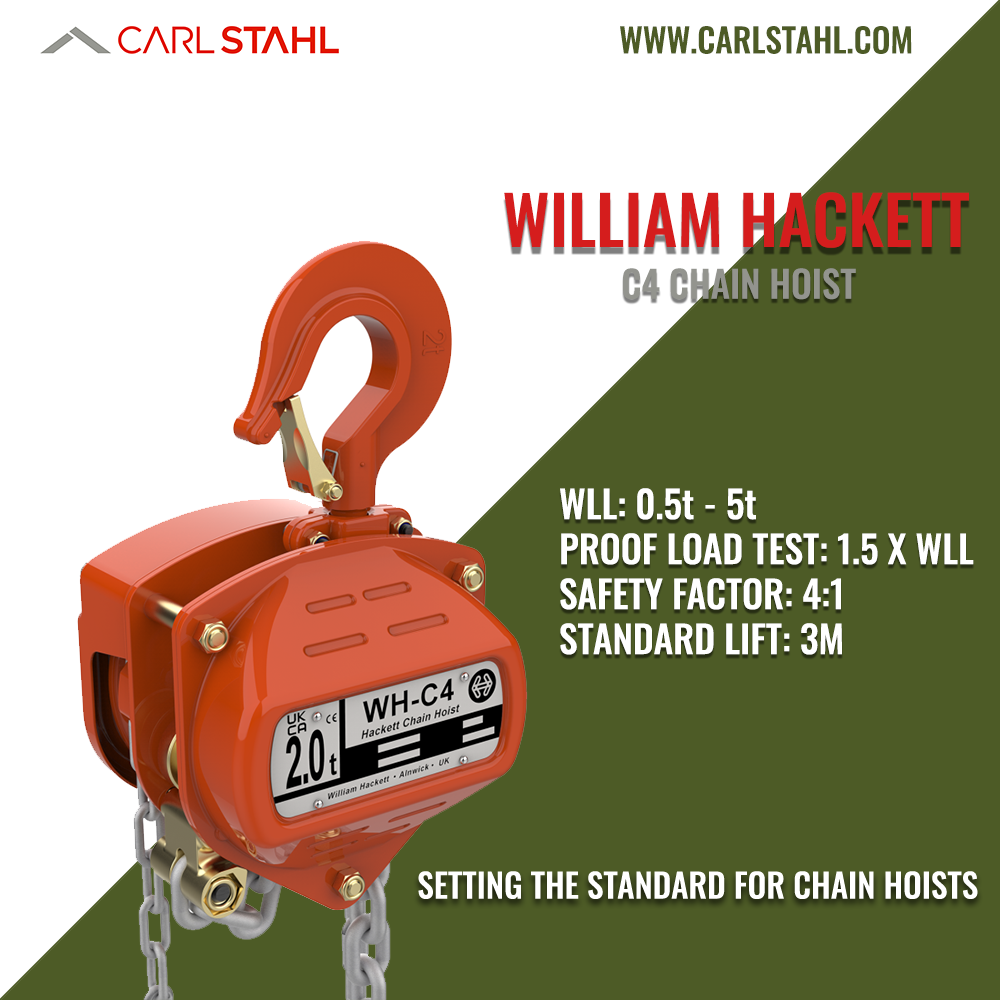
Chain blocks are designed to provide precise, incremental lifting through manual operation. This allows operators to position loads accurately, reducing the risk of sudden or uncontrolled movement.
The built-in braking mechanism ensures loads are securely held in position when lifting is paused.
What kind of handling is possible?
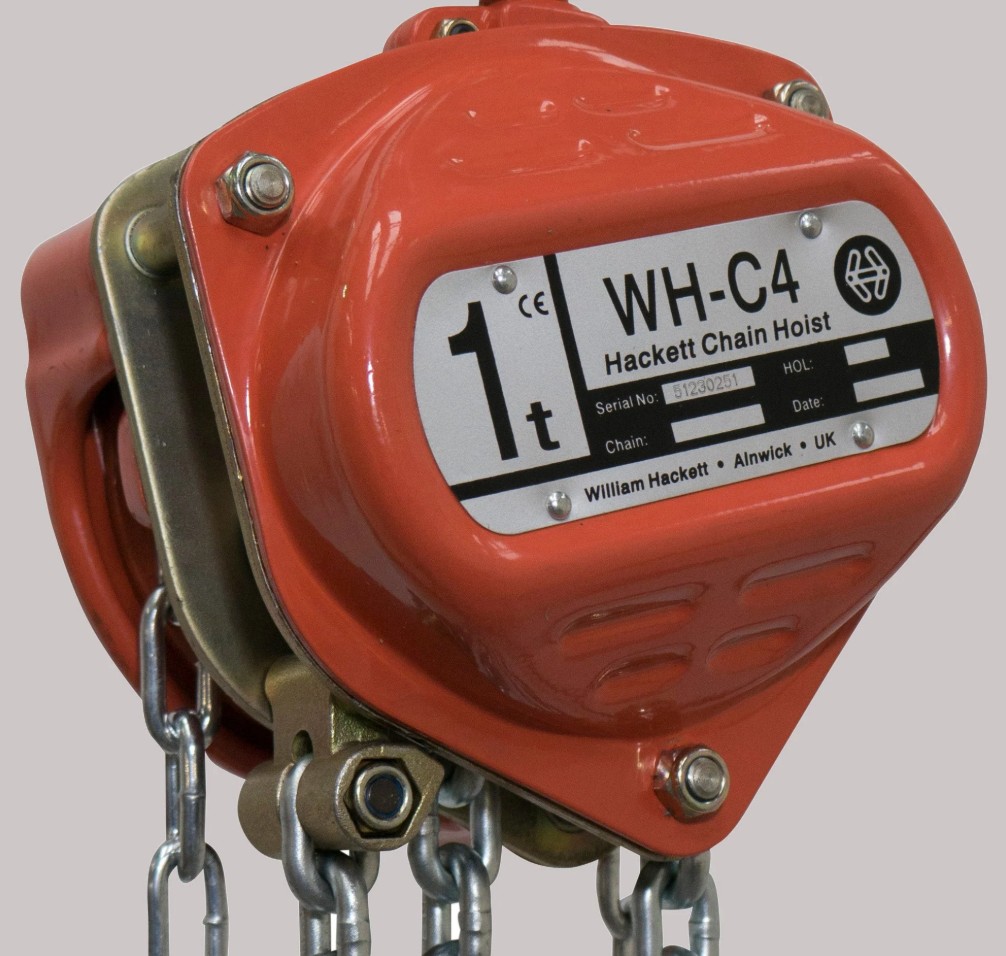
Chain blocks are suitable for lifting, lowering and positioning loads in a controlled manner. They are commonly used for vertical lifting, as well as holding loads in place during installation or maintenance work.
When combined with beam clamps or trolleys, chain blocks can also be used for horizontal load movement along fixed structures.
Are smooth and controlled movements possible?
Chain blocks are designed to deliver smooth and controlled lifting through manual operation. This reduces the likelihood of shock loading and helps maintain stability throughout the lift.
Correct operation and proper load attachment are essential to achieving safe and consistent performance.
How are chain blocks installed?
Chain blocks can be suspended from a range of structures including beams, gantries and lifting frames. Common connection methods include hooks, beam clamps and trolleys.
It is essential to ensure that the supporting structure is capable of withstanding the applied load and that all connections are secure before lifting begins.
What connections are used with chain blocks?
Chain blocks are typically connected using top and bottom hooks. These can be used in conjunction with slings, shackles or lifting points depending on the application.
Selecting the correct connection method is critical to ensuring safe load handling.
Do chain blocks need to be inspected?
Chain blocks should be visually inspected before and after use, and thoroughly examined at regular intervals by a competent person.
Inspection should include checks for wear, deformation, corrosion, damaged chains and correct operation of the braking mechanism.
Any equipment showing signs of damage or excessive wear should be removed from service immediately.
Storage
To prolong service life, chain blocks should be stored in a clean, dry environment and protected from adverse conditions and contamination.
Contact us to discuss your requirements.