

Crane System Retrofit and Modernisation
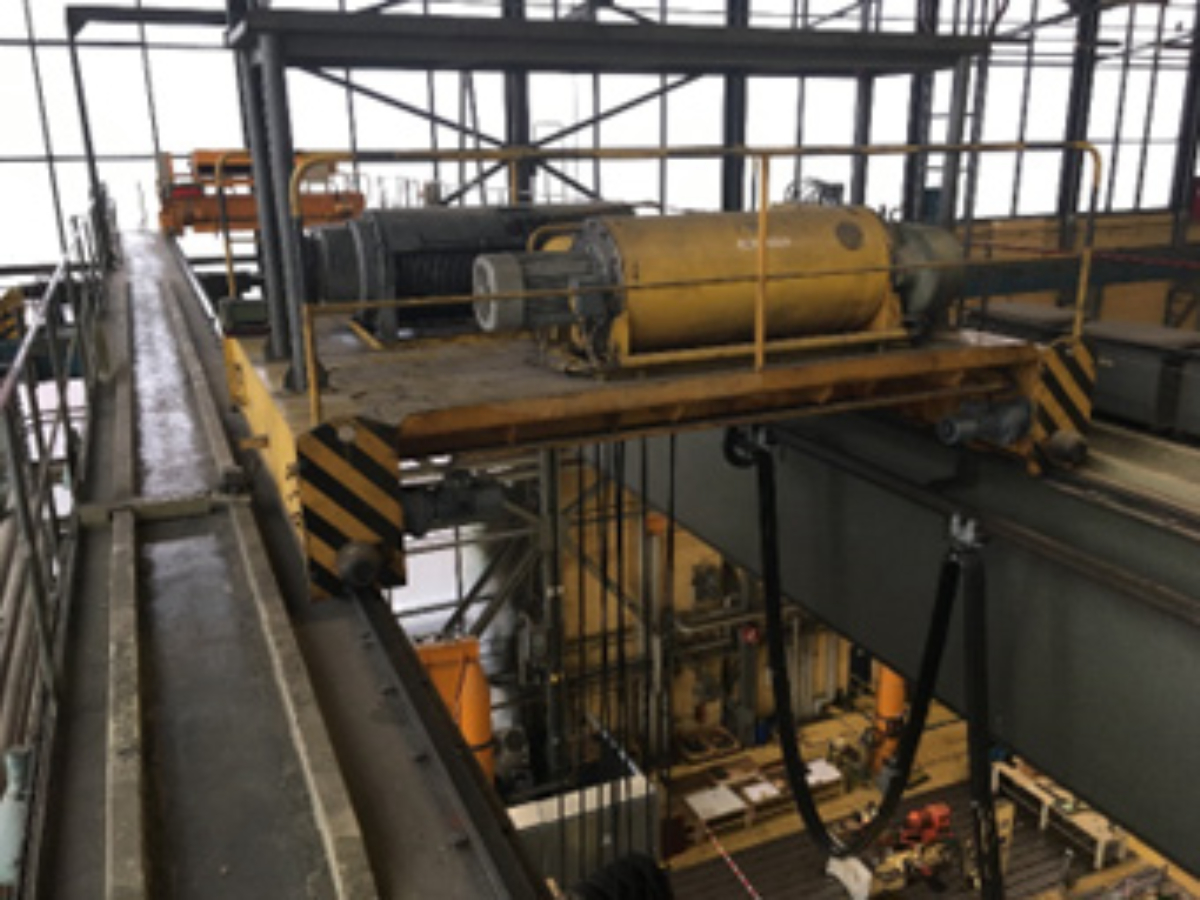
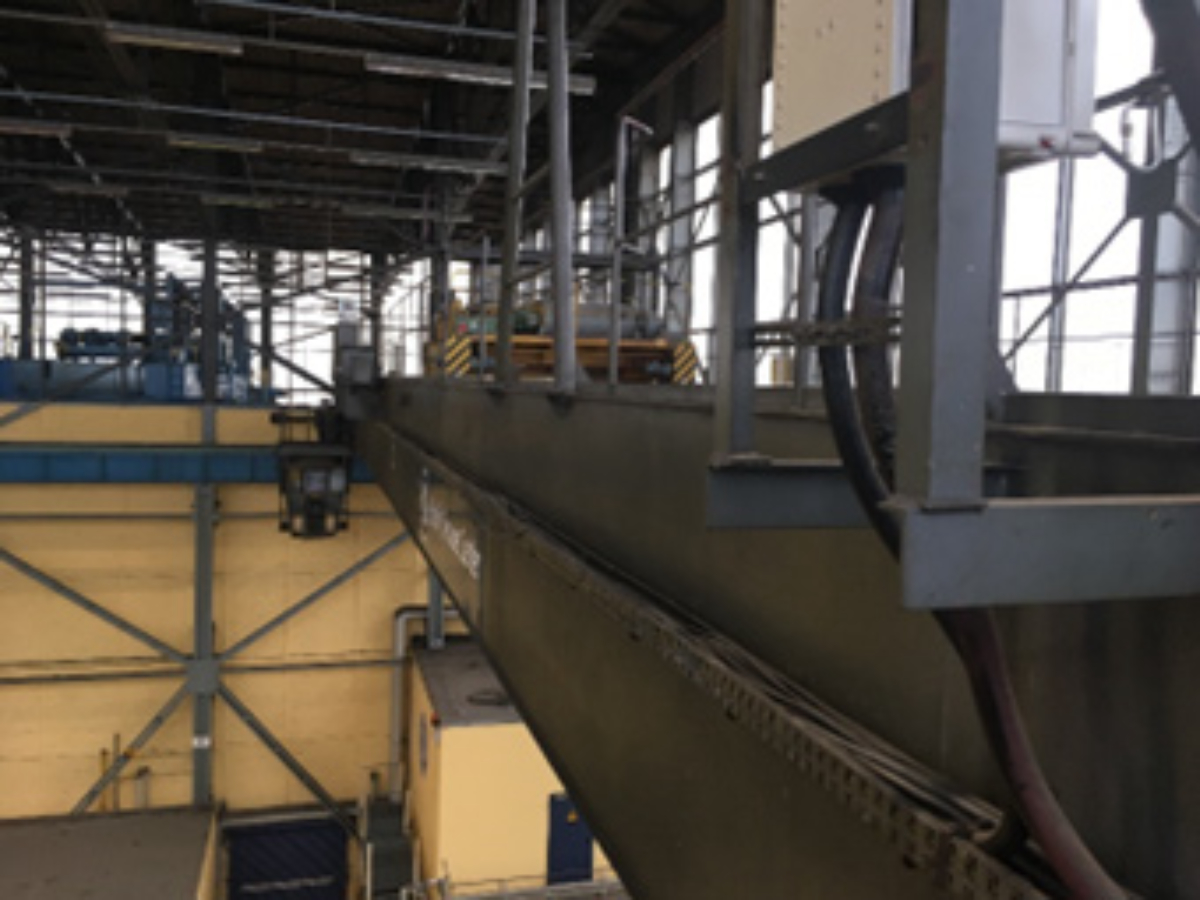
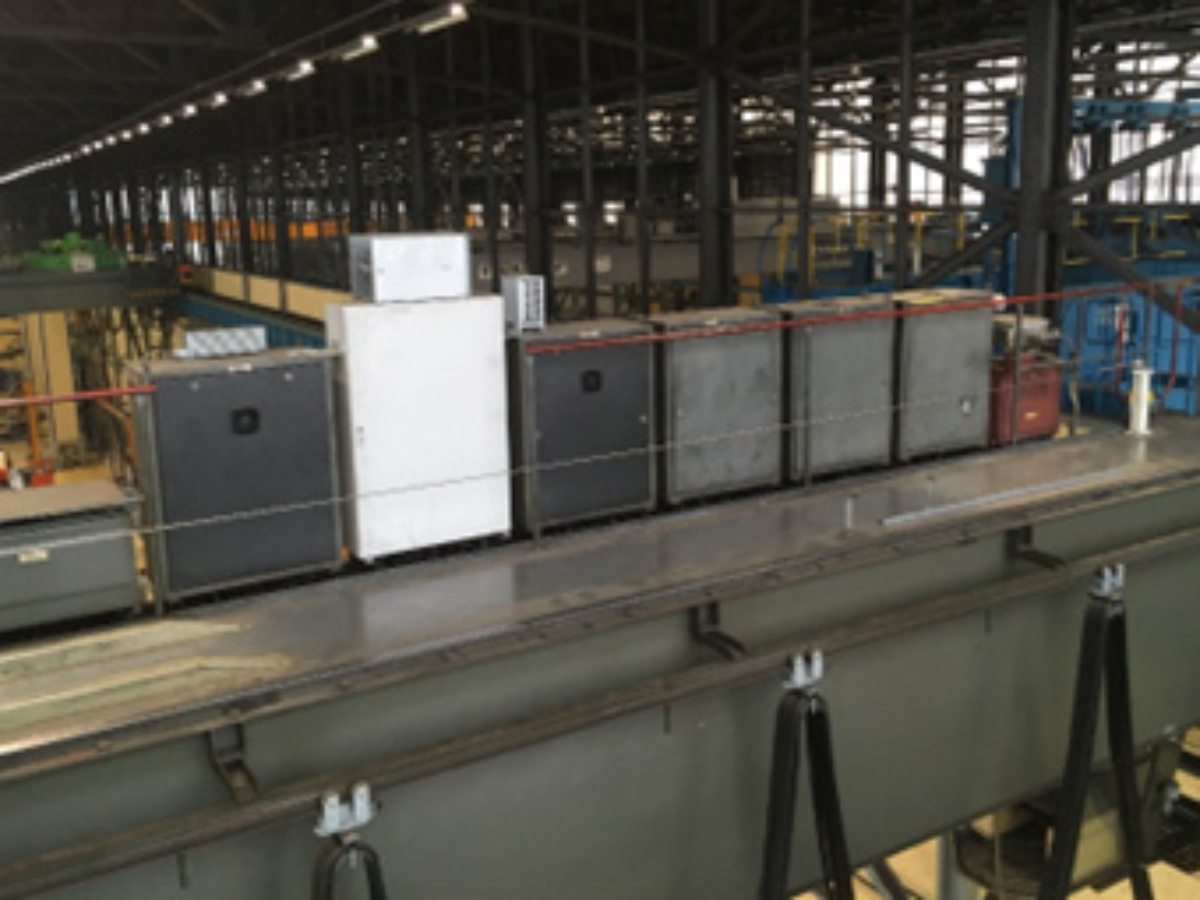
As a key drive component, the hoist is one of the most critical elements of any crane system. Where it is subjected to frequent or intensive use, retrofit or replacement becomes essential to maintain safe and reliable operation.
Few areas place greater importance on safety than lifting operations. If a hoist is unable to withstand operational stresses, the consequences can be severe, including the risk of heavy loads falling and causing serious injury or damage.
To prevent such risks, the hoist and all associated crane components must be kept in optimal condition at all times. This means eliminating material fatigue and addressing any technical defects before they develop into failures.
A hoist consists of multiple critical components, including the electric motor, gearbox, rope drum, and load hook. Ensuring that each of these elements meets the required safety standards can be a complex but essential part of maintaining a safe lifting system.
Crane Modernisation: Assessing the Existing System
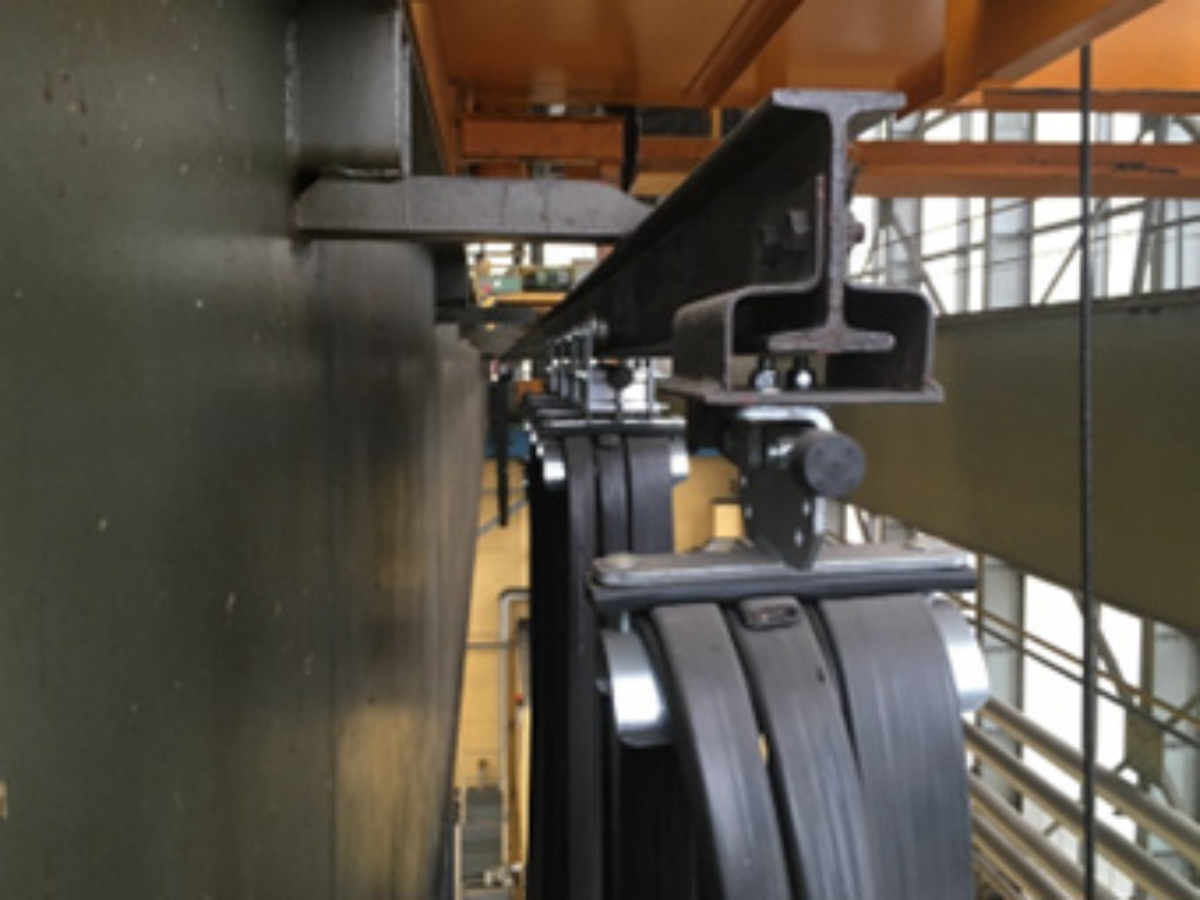
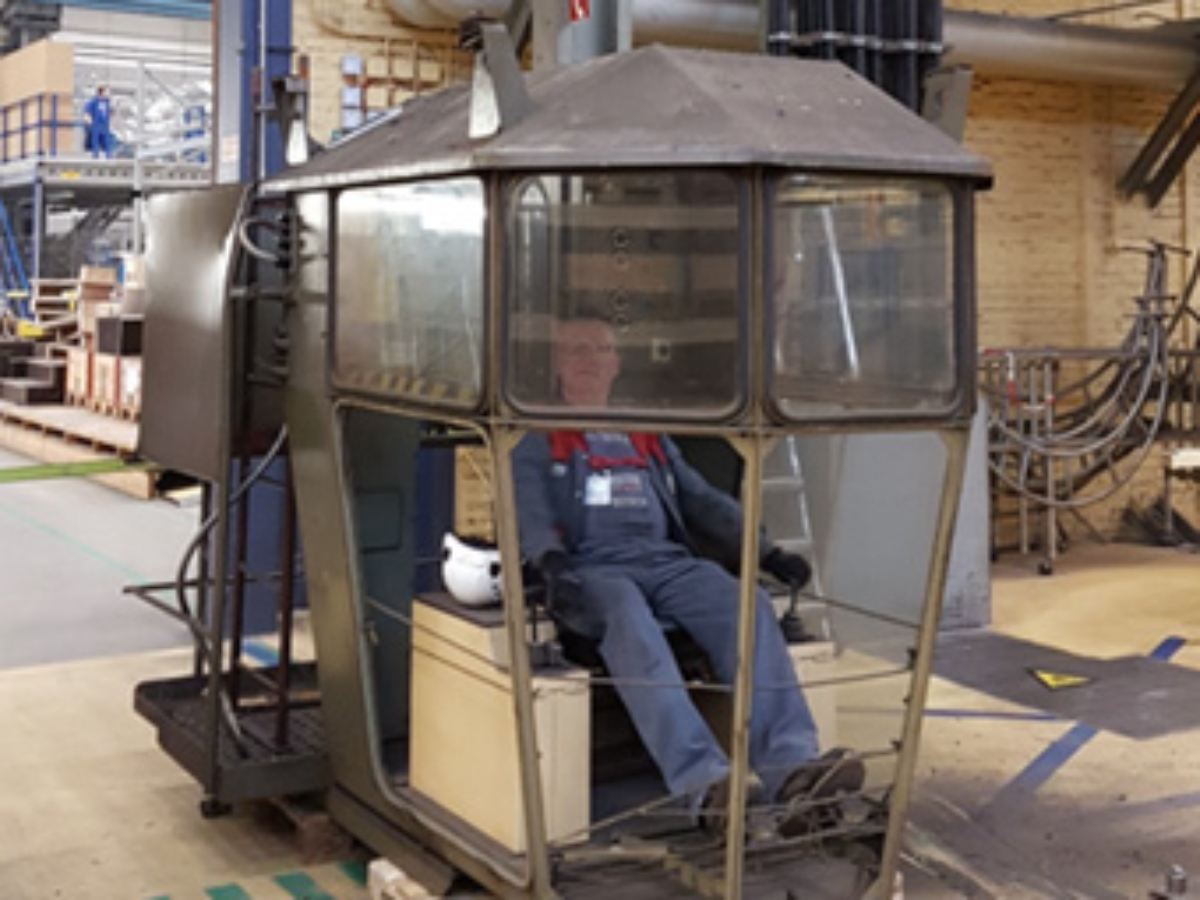
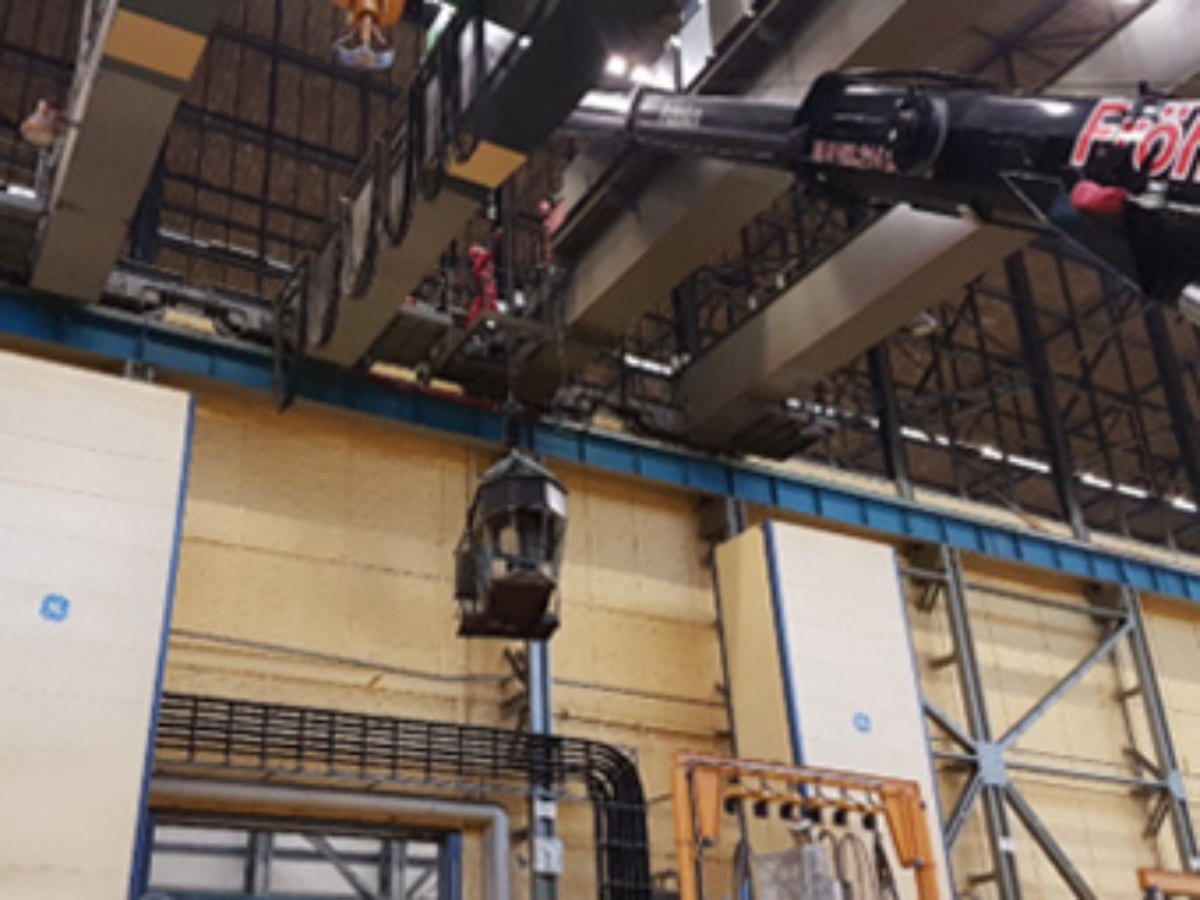
When a crane system approaches or exceeds its expected service life, it is essential for operators to take action and seek professional assessment. The first step is a detailed inspection and expert evaluation of the system’s current condition. This determines whether a general overhaul or a full retrofit is required.
During a general overhaul, all safety-critical components are inspected in line with the manufacturer’s specifications and replaced where necessary to ensure continued safe operation.
In many cases—particularly with older systems operators may choose to go beyond a standard overhaul and carry out a more extensive upgrade, depending on operational demands.
This can include the complete replacement of the hoist, along with upgrades to the control system, power supply, and operating elements, bringing the crane system in line with current standards and improving overall performance and safety.
A Complete System Approach Goes Beyond Component Replacement
Once the requirements have been defined through the expert assessment, the next step is to repair or replace any damaged components. In some cases, this may involve replacing the entire hoist to ensure maximum safety and reliability.
In addition to essential repairs, targeted upgrades can be introduced to modernise the system and improve long-term performance. These enhancements can increase efficiency, simplify operation, and extend the service life of the crane.
Typical upgrades include the installation of load indicators, improved corrosion protection for the crane structure, and the replacement of outdated lighting systems.
At the same time, redundant or unnecessary components can be removed to reduce complexity and minimise the risk of material fatigue over time.
High-Quality Lifting Equipment, Tailored to Your Requirements
Where full replacement of the hoist is required, we can supply and install a range of high-quality hoisting solutions to suit your application. Our product range includes multiple variants, each offering specific features and performance benefits.
Compressed Air Hoists
Our pneumatic hoists, including the Mini and PROFI ranges, deliver consistently high performance thanks to their strong torque output. They offer smooth, stepless control, allowing loads to be lifted and lowered with precision and ease.
Electric chain hoists
Electric chain hoists such as our Type Speedline not only impress with their extremely high efficiency, but they are also extremely robust and therefore have a long service life.
Winches
High-quality traction sheave winches such as the Minifor model or electric rope winches such as the RPE model offer you maximum flexibility and easy handling. You also benefit from a high degree of stability.
Final Inspection and Handover
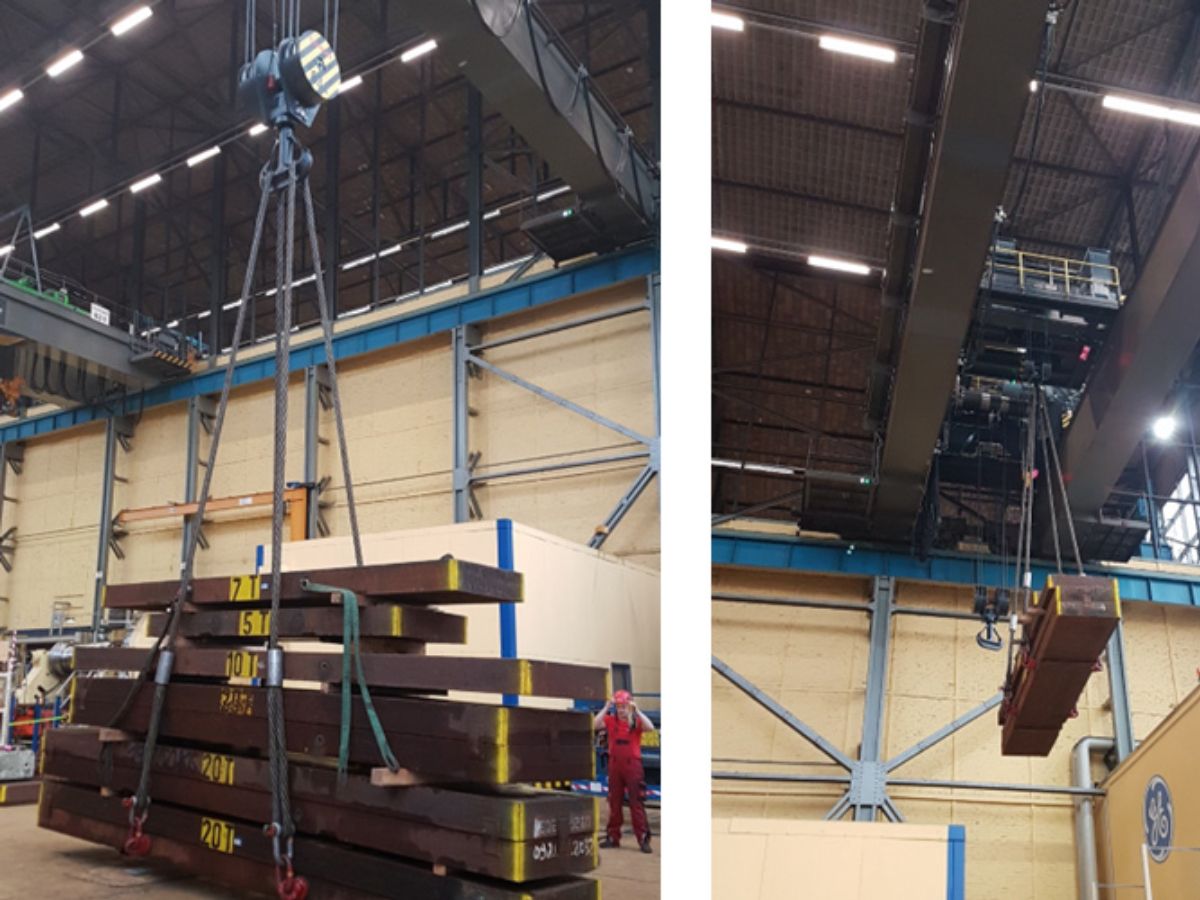
Once all defective components have been repaired and the hoists reinstalled, the crane system must undergo a thorough inspection by a competent person. This ensures that the system meets all relevant legal and safety requirements and is safe to return to service.
Where the retrofit constitutes a significant modification, an independent inspection may also be required. In such cases, the system must be assessed and approved in accordance with applicable regulations before it can be put back into operation.
Let us advise you
FAQ: Retrofitting a Crane System
Why is the remaining service life of a crane system important?
The remaining service life indicates how long a hoist can continue to operate safely and effectively. It provides a useful benchmark for assessing the condition of the equipment and determining whether maintenance, repair, or replacement is required.
Monitoring service life is not only essential for safety, but also for operational efficiency. Once a hoist exceeds its intended service life, it may become less reliable, more costly to maintain, and less efficient in day-to-day use.
What factors influence the remaining service life?
The service life of a crane system is primarily influenced by the frequency and intensity of use. High utilisation leads to increased wear over time.
Environmental conditions also play a significant role. Factors such as extreme temperatures, moisture, dust, and exposure to chemicals can accelerate deterioration. Regular inspection and maintenance are essential to identify wear early and ensure continued safe operation.
How can the remaining service life be determined?
For modern hoists equipped with monitoring systems, remaining service life can often be viewed directly via an onboard display.
Where this is not available, an estimate can be made based on the original design life and the period of use. However, for accurate assessment—particularly where safety is concerned—it is recommended that a competent person carries out a detailed service life analysis.
What regulations apply to the use of hoists in the workplace?
In the UK, the use of hoists and crane systems is governed by the Lifting Operations and Lifting Equipment Regulations 1998 (LOLER) and the Provision and Use of Work Equipment Regulations 1998 (PUWER).
These regulations require that lifting equipment is suitable for its intended use, properly maintained, and subject to regular inspection by a competent person to ensure safe operation.